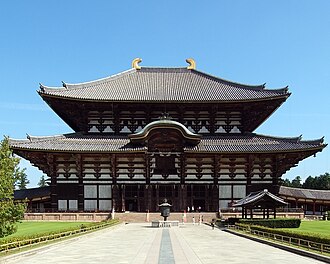
🏯 Todai-ji (Great Eastern Temple)
Japan
About This Sacred Site
Todai-ji in Nara is one of Japan's most historically significant temples, housing the Daibutsu — a 15-meter-tall bronze statue of Vairocana Buddha that is the largest of its kind in Japan. The Great Buddha Hall (Daibutsuden) is one of the world's largest wooden structures, despite being only two-thirds the size of the original 8th-century building. Founded by Emperor Shomu in 752 CE, Todai-ji served as the head temple of all provincial Buddhist temples in Japan. The surrounding Nara Park, with its famous free-roaming deer, adds to the spiritual atmosphere.
History & Origins
Founded in 752 CE by Emperor Shomu as the head temple of all provincial Buddhist temples in Japan, the site was constructed to promote Buddhism as a unifying national faith during the Nara period. The Great Buddha Hall (Daibutsuden) houses a 15-meter-tall bronze statue of Vairocana Buddha, weighing approximately 500 tonnes, completed in 751 CE. The wooden structure of the hall is one of the largest in the world, rebuilt in 1709 after destruction by fire. Todai-ji was central to the Kegon school of Buddhism and played a political role in unifying the state through religious authority. The temple grounds include several other historic buildings and a deer park, reflecting the site’s longstanding cultural significance.
Spiritual Significance
The Great Buddha (Daibutsu) represents Vairocana, the cosmic Buddha central to Kegon Buddhism, embodying the infinite light and wisdom of enlightenment. Rituals include the Omizutori festival held annually since 752 CE, involving sacred water drawing ceremonies aimed at cleansing sins and invoking rain. Pilgrims and monks chant the Kegon sutras within the Great Buddha Hall, promoting the interconnectedness of all phenomena. The temple serves as a site for meditation, ritual offerings, and teachings based on the Avatamsaka Sutra, which is foundational to its doctrinal significance. Todai-ji remains a pilgrimage destination for followers seeking spiritual merit and historical connection to early Japanese Buddhism.
Key Facts
- •The Great Buddha (Daibutsu) stands 15 meters tall and weighs approximately 500 tonnes
- •The Great Buddha Hall is one of the largest wooden buildings in the world
- •Founded in 752 CE by Emperor Shomu to protect the nation through Buddhism
- •The temple's Nandaimon (Great South Gate) houses two 8.4-meter-tall guardian statues
- •UNESCO World Heritage Site as part of the Historic Monuments of Ancient Nara
Location
Coordinates: 34.6889, 135.8398
Frequently Asked Questions
What religion is Todai-ji (Great Eastern Temple) associated with?▾
Todai-ji (Great Eastern Temple) is a Buddhism holy site located in Japan. It was established 752 CE and is ranked #93 in our global directory of sacred sites.
When was Todai-ji (Great Eastern Temple) established?▾
Todai-ji (Great Eastern Temple) dates back to 752 CE. The Great Buddha (Daibutsu) stands 15 meters tall and weighs approximately 500 tonnes
How many people visit Todai-ji (Great Eastern Temple) each year?▾
Todai-ji (Great Eastern Temple) receives approximately 3+ million visitors per year. The Great Buddha Hall is one of the largest wooden buildings in the world
What is Todai-ji (Great Eastern Temple) known for?▾
Home to Japan's largest bronze Buddha statue inside one of the world's largest wooden buildings. Visitors come seeking blessings, protection, spiritual enlightenment, peace. Founded in 752 CE by Emperor Shomu to protect the nation through Buddhism
Related Holy Sites
Sacred places connected by country, religion, and purpose
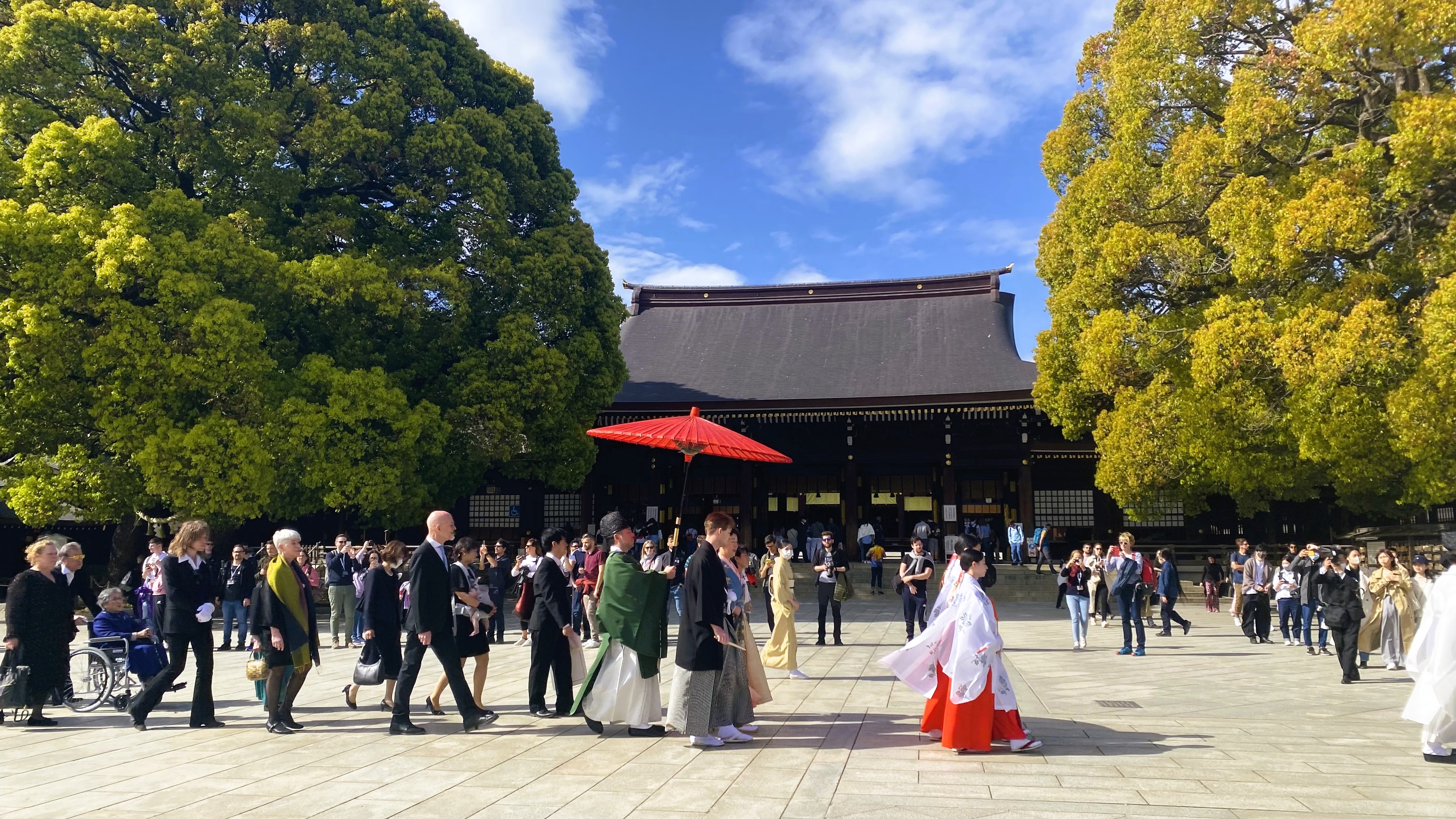
⛩️Meiji Shrine (Meiji Jingu)
Tokyo's most important Shinto shrine, set in a vast forest.
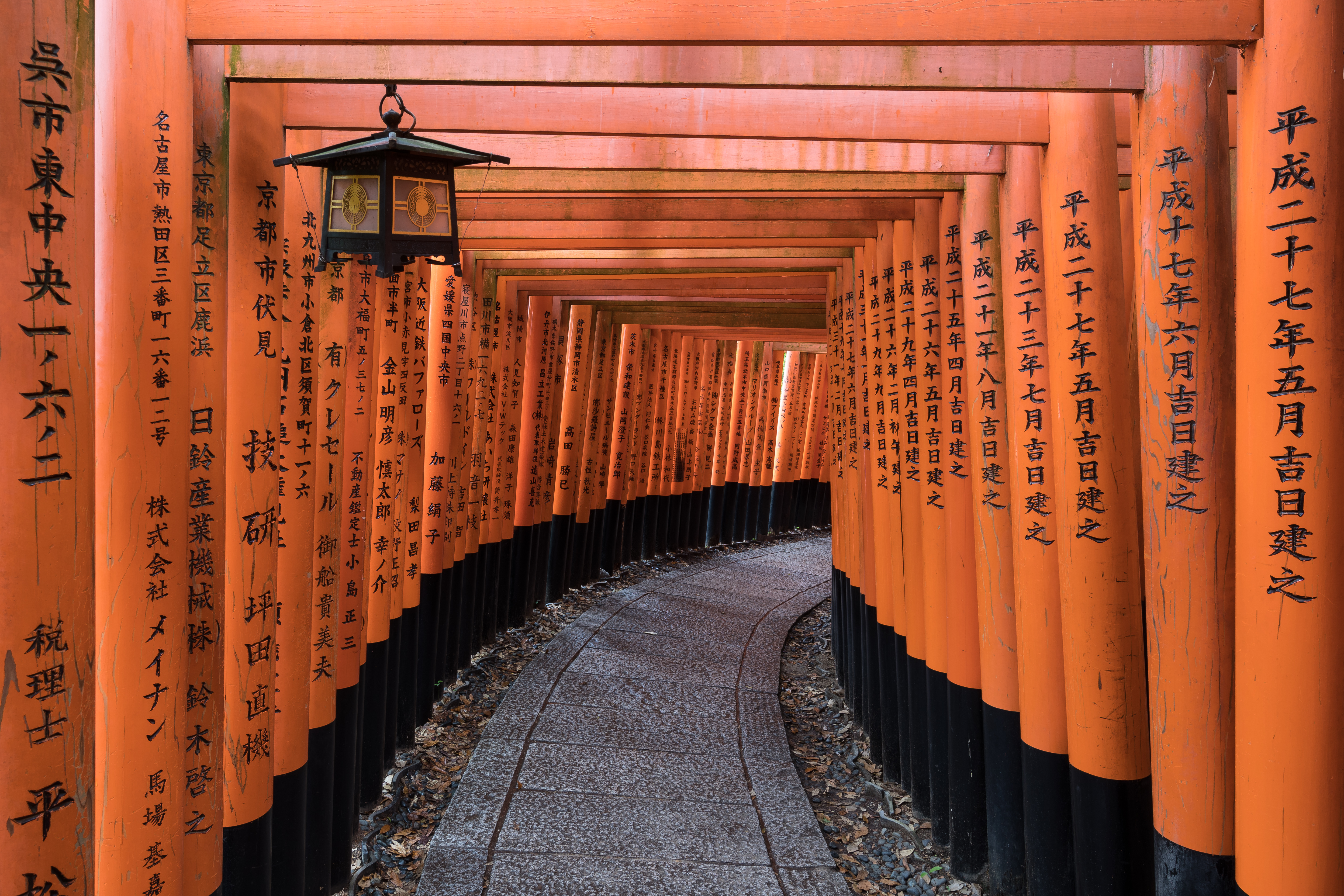
⛩️Fushimi Inari Taisha
Famous for its thousands of vermillion torii gates winding up a sacred mountain.
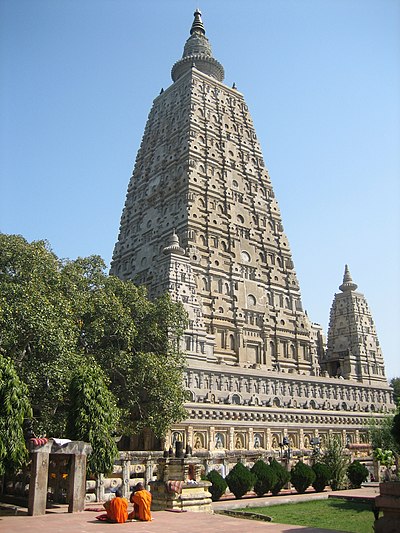
☸️Bodh Gaya (Mahabodhi Temple)
Where Siddhartha Gautama attained enlightenment and became the Buddha.
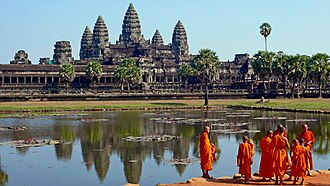
🛕Angkor Wat
The largest religious monument in the world, originally Hindu then Buddhist.