⛰️ Thaba Bosiu
Lesotho
About This Sacred Site
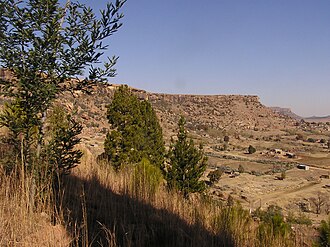
Thaba Bosiu ('Mountain of the Night') is the most sacred site in Lesotho, a flat-topped sandstone mountain that served as the impregnable fortress of King Moshoeshoe I, the founder of the Basotho nation. According to legend, the mountain grew taller at night to prevent enemies from reaching the summit. From this stronghold, Moshoeshoe successfully defended his people against Zulu, Matabele, and Boer attacks throughout the 19th century. The king is buried on the summit, which is a pilgrimage site for the Basotho people. The mountain remains central to Basotho national identity and spiritual life.
History & Origins
Founded in 1824 by King Moshoeshoe I, Thaba Bosiu served as the strategic mountain fortress that unified the Basotho nation during the early 19th century. Its name, meaning 'Mountain of the Night,' stems from a local legend that the mountain grew taller overnight to protect its inhabitants from invading forces. The plateau's natural defenses allowed Moshoeshoe I to successfully defend against Zulu attacks and Boer incursions, solidifying his leadership. Throughout the 19th century, Thaba Bosiu functioned as both a military stronghold and royal capital, fostering Basotho state formation. The site underwent British colonial interest in the late 1800s but retained cultural autonomy as a symbol of resistance. Today, it is a national monument preserving cultural heritage and the legacy of Moshoeshoe I's diplomacy and governance.
Spiritual Significance
Thaba Bosiu is revered as a sacred site where King Moshoeshoe I performed rituals to invoke ancestral protection and territorial legitimacy. Annual pilgrimages coincide with commemorations of Moshoeshoe I's leadership, featuring ceremonies led by traditional priests who conduct libations and prayers atop the mountain. The name's reference to nocturnal growth embodies spiritual beliefs in divine intervention and protection. Rituals include offerings of traditional beer and cattle sacrifices, symbolizing covenantal bonds between the Basotho people and their ancestors. The mountain's plateau houses shrines believed to channel ancestral presence, integral to Basotho cosmology emphasizing unity and resilience. The site remains a focal point for cultural education and spiritual renewal, connecting contemporary Basotho to their founding narratives and sacred traditions.
Key Facts
- •The sacred fortress of King Moshoeshoe I, founder of the Basotho nation
- •The name means 'Mountain of the Night' — legend says it grew taller at night
- •Successfully defended against multiple invasions in the 19th century
- •King Moshoeshoe I is buried on the summit
- •A candidate for UNESCO World Heritage Site status
Location
Coordinates: -29.3667, 27.7333
Frequently Asked Questions
What religion is Thaba Bosiu associated with?▾
Thaba Bosiu is a Indigenous holy site located in Lesotho. It was established 1824 and is ranked #726 in our global directory of sacred sites.
When was Thaba Bosiu established?▾
Thaba Bosiu dates back to 1824. The sacred fortress of King Moshoeshoe I, founder of the Basotho nation
How many people visit Thaba Bosiu each year?▾
Thaba Bosiu receives approximately 25,000 visitors per year. The name means 'Mountain of the Night' — legend says it grew taller at night
What is Thaba Bosiu known for?▾
The sacred mountain fortress of King Moshoeshoe I, founder of Lesotho. Visitors come seeking protection, ancestral connection, guidance. Successfully defended against multiple invasions in the 19th century
Related Holy Sites
Sacred places connected by country, religion, and purpose
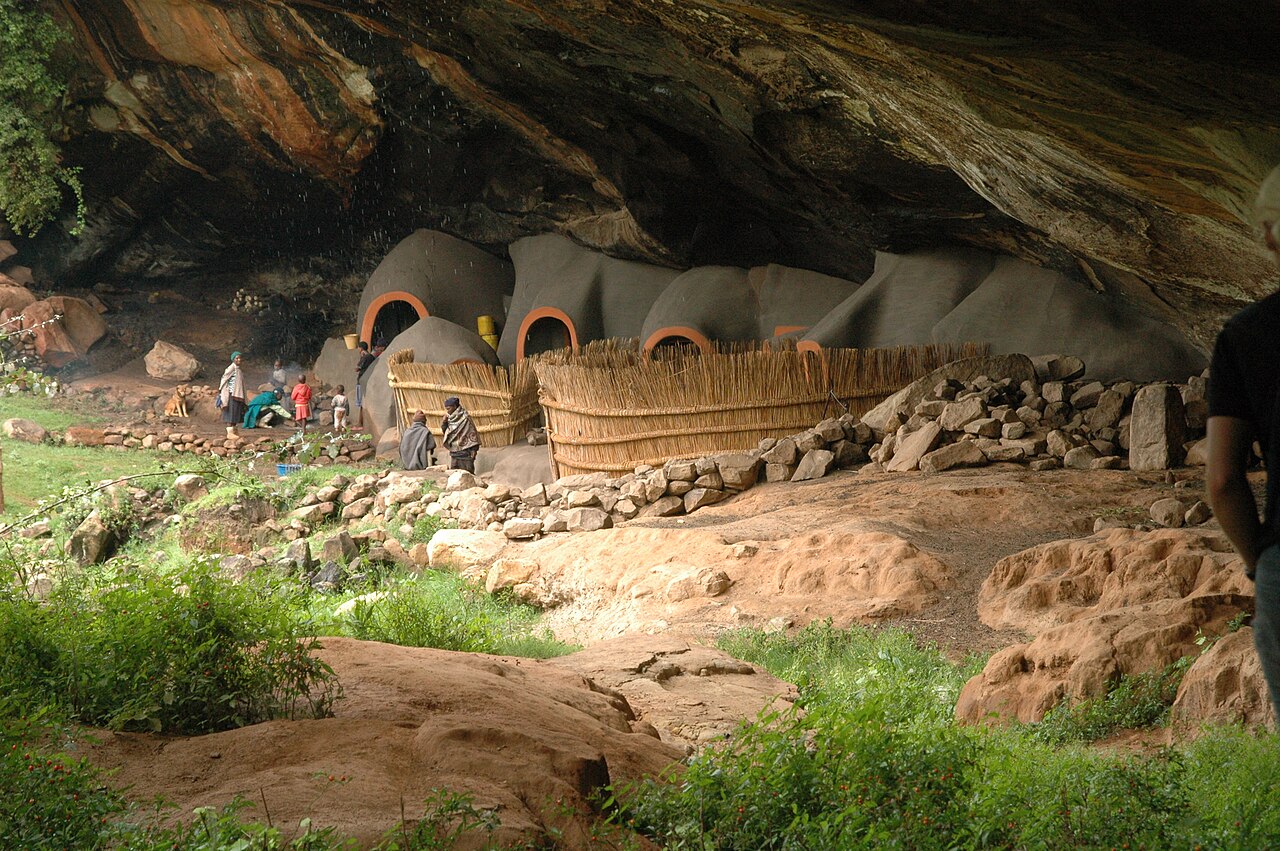
🏚️Ha Kome Cave Dwellings
Ancient cave houses still inhabited by traditional healers in Lesotho's highlands.
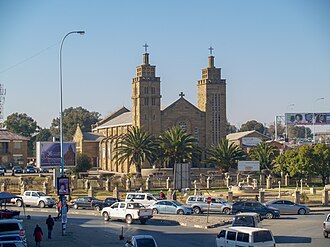
⛪Our Lady of Victory Cathedral Maseru
The principal Catholic cathedral of Lesotho in the capital Maseru.
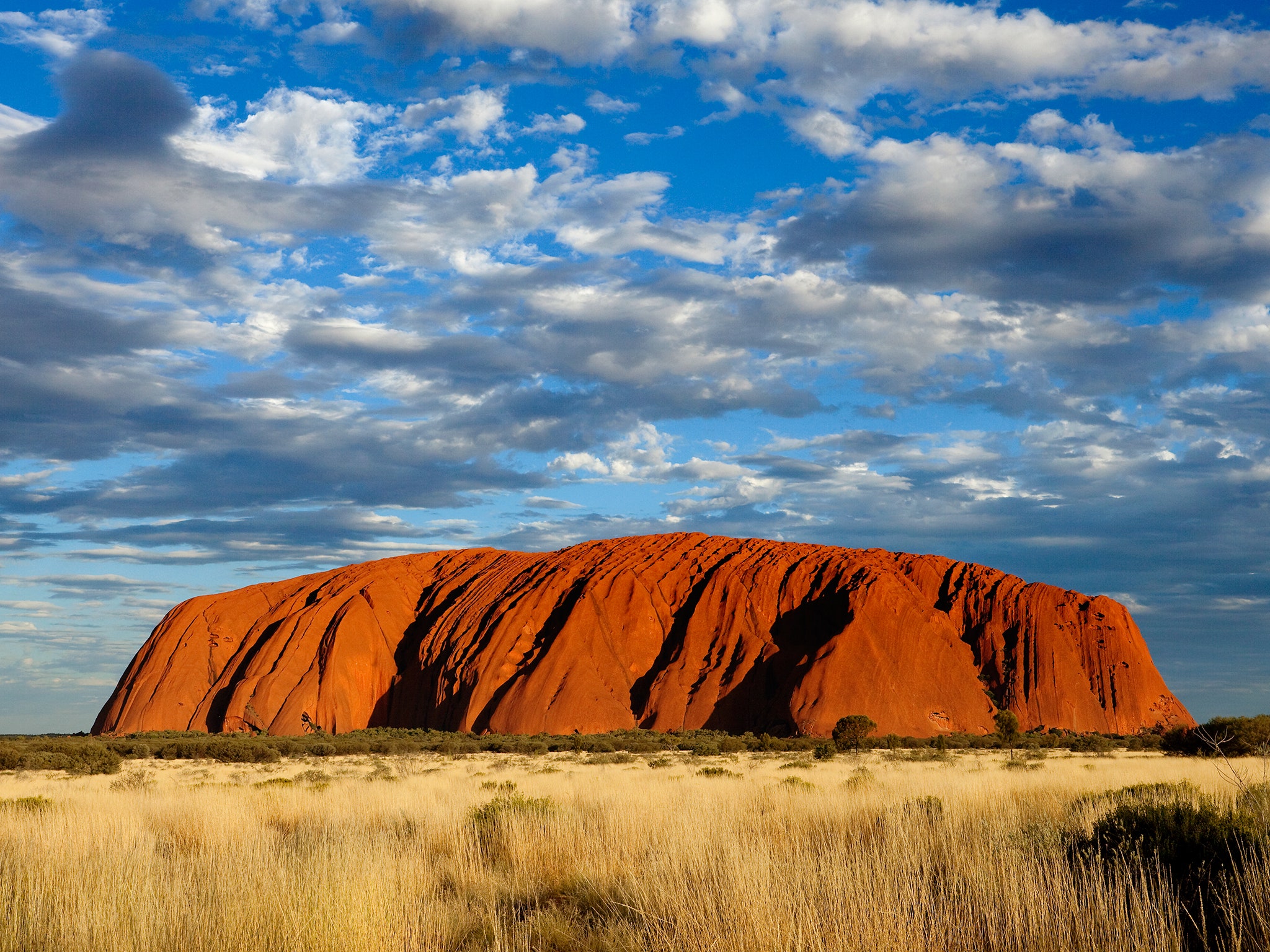
🪨Uluru (Ayers Rock)
A sacred monolith central to Aboriginal Australian creation stories.
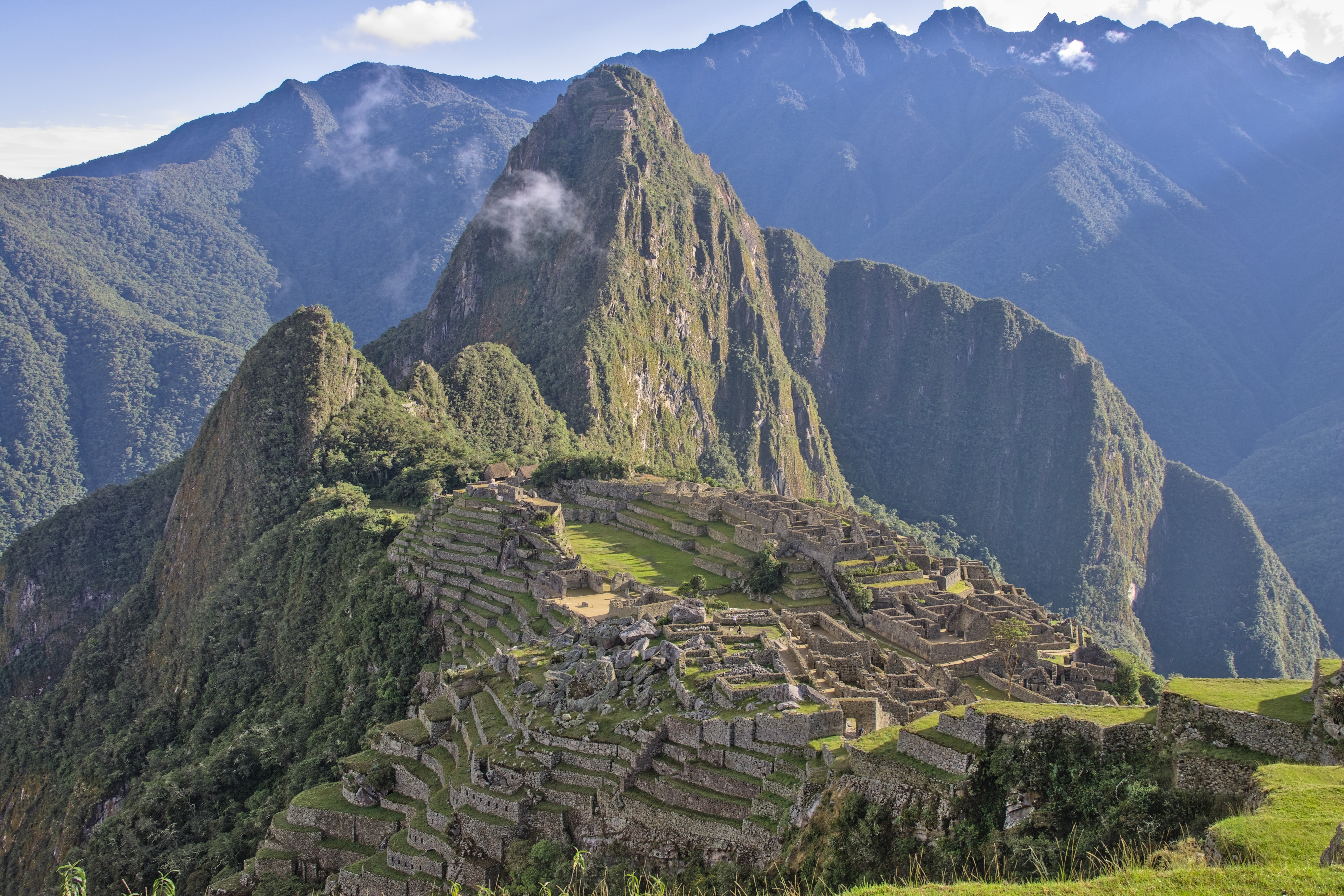
🏔️Machu Picchu
A sacred Inca citadel set high in the Andes, aligned with astronomical events.