🏚️ Ha Kome Cave Dwellings
Lesotho
About This Sacred Site
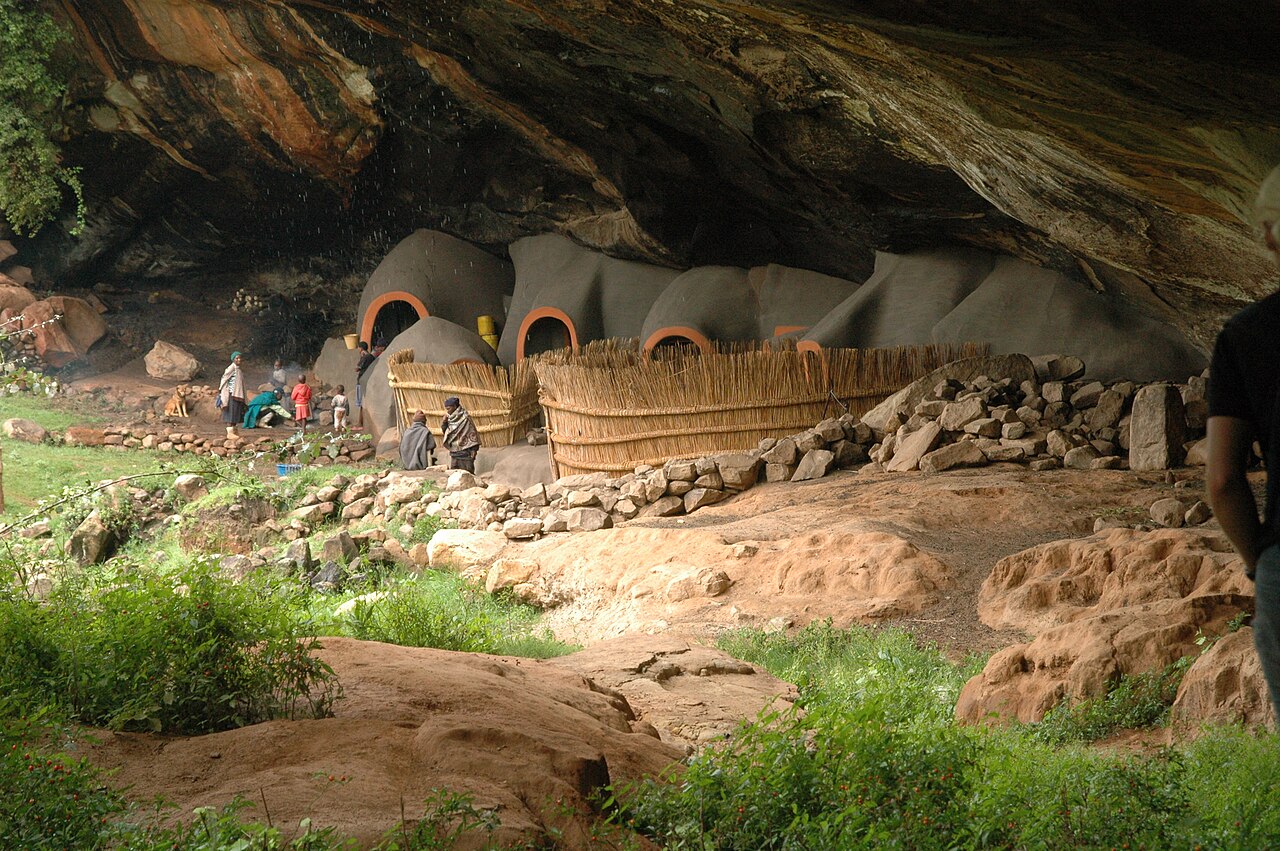
The Ha Kome Cave Dwellings are a remarkable cluster of cave houses built into the side of a cliff face in the Berea district of Lesotho. Believed to have been constructed in the early 19th century during the Lifaqane wars, the dwellings are still inhabited by descendants of the original families, including traditional healers who practice ancestral medicine. The cave houses, made of mud, stone, and animal dung plastered against the rock face, represent a unique adaptation to the mountainous landscape. Visitors seek out the resident traditional healers for consultations and healing ceremonies.
History & Origins
Built into cliff faces in Lesotho during the early 19th century Lifaqane wars, Ha Kome Cave Dwellings originated as fortified refuges for displaced Basotho communities. Constructed under the leadership of local chiefs, these homes utilized natural rock formations to create defensible living spaces, some of which remain inhabited today. Archaeological studies date the settlements to circa 1820, reflecting the need for protection against invading forces and intertribal conflicts during the period. The caves underwent renovations in the late 20th century to preserve structural integrity while respecting their continuous use. Ha Kome's endurance as a living village exemplifies traditional Basotho architecture adapted to mountainous terrain and historical exigencies. The dwellings' spatial organization reveals communal living patterns and defensive strategies crucial to survival during the tumultuous Lifaqane era.
Spiritual Significance
Within the caves, traditional healers practice ancestral rituals believed to harness spiritual energies rooted in the mountain's geology. These healers perform ceremonies invoking the ancestors for guidance and healing, utilizing herbal medicines gathered from surrounding highlands. Pilgrims visit Ha Kome seeking blessings and cures, participating in rites involving smoke offerings and chants in Sesotho, the local language. The caves are considered sacred spaces where the physical shelter intersects with spiritual refuge, reinforcing Basotho identity and continuity. Oral traditions recount that the dwellings serve as gateways to the spirit world, with specific caves designated for ritual use. This spiritual dimension is maintained by elder custodians who oversee ceremonies aligned with lunar cycles and seasonal changes, integrating ancestral worship with natural rhythms.
Key Facts
- •Cave houses built into a cliff face, still inhabited today
- •Believed to date from the early 19th century Lifaqane wars
- •Traditional healers living in the caves practice ancestral medicine
- •Constructed from mud, stone, and animal dung against the rock face
- •One of Lesotho's most visited heritage sites
Location
Coordinates: -29.3833, 28.8000
Frequently Asked Questions
What religion is Ha Kome Cave Dwellings associated with?▾
Ha Kome Cave Dwellings is a Indigenous holy site located in Lesotho. It was established c. early 19th century and is ranked #751 in our global directory of sacred sites.
When was Ha Kome Cave Dwellings established?▾
Ha Kome Cave Dwellings dates back to c. early 19th century. Cave houses built into a cliff face, still inhabited today
How many people visit Ha Kome Cave Dwellings each year?▾
Ha Kome Cave Dwellings receives approximately 10,000 visitors per year. Believed to date from the early 19th century Lifaqane wars
What is Ha Kome Cave Dwellings known for?▾
Ancient cave houses still inhabited by traditional healers in Lesotho's highlands. Visitors come seeking protection, ancestral connection, healing. Traditional healers living in the caves practice ancestral medicine
Related Holy Sites
Sacred places connected by country, religion, and purpose
⛰️Thaba Bosiu
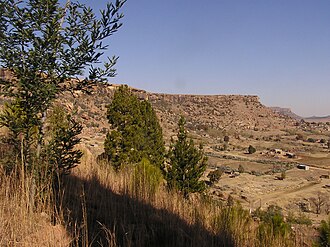
The sacred mountain fortress of King Moshoeshoe I, founder of Lesotho.
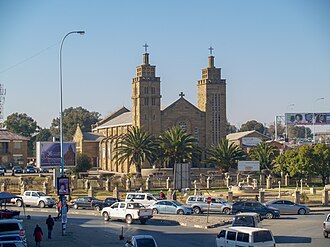
⛪Our Lady of Victory Cathedral Maseru
The principal Catholic cathedral of Lesotho in the capital Maseru.
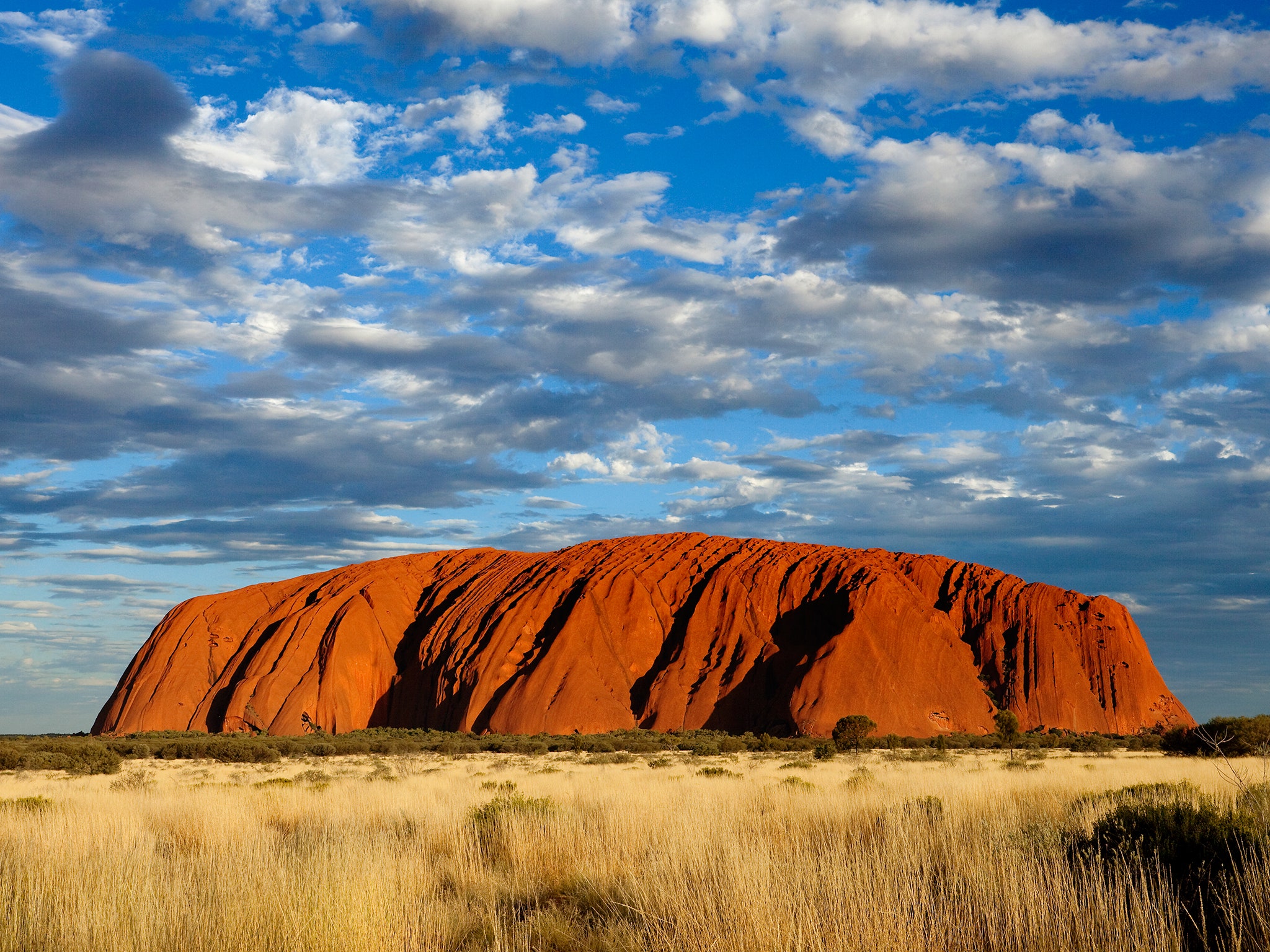
🪨Uluru (Ayers Rock)
A sacred monolith central to Aboriginal Australian creation stories.
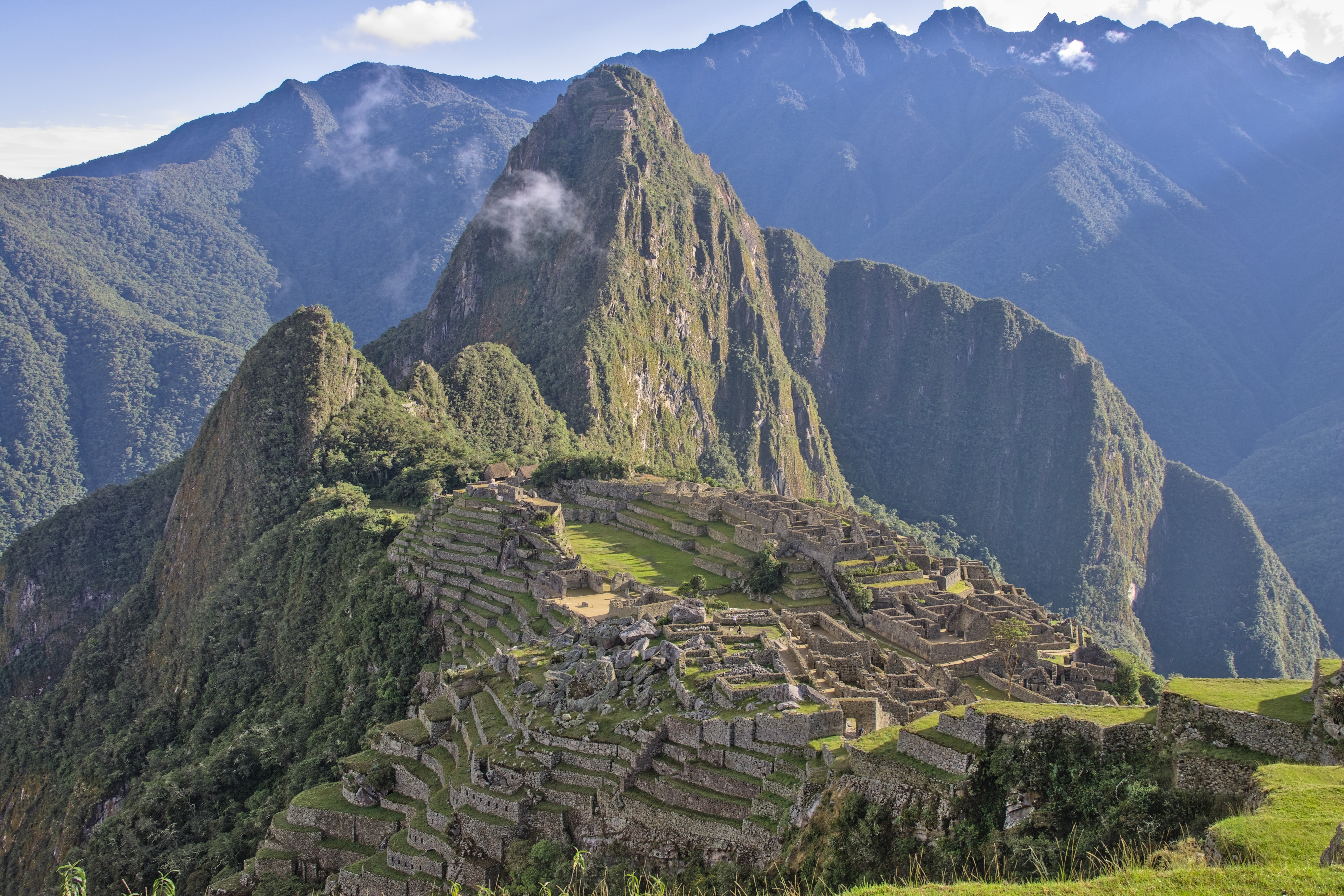
🏔️Machu Picchu
A sacred Inca citadel set high in the Andes, aligned with astronomical events.