🦷 Temple of the Sacred Tooth Relic (Sri Dalada Maligawa)
Sri Lanka
About This Sacred Site
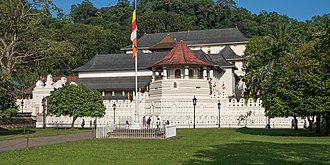
The Temple of the Sacred Tooth Relic in Kandy is the most important Buddhist shrine in Sri Lanka, housing a tooth of the Buddha that has been a symbol of sovereignty since ancient times. The relic was brought to Sri Lanka in the 4th century CE, hidden in the hair of a princess. Throughout Sri Lankan history, whoever held the tooth relic was considered the legitimate ruler. The temple, set within the Royal Palace complex beside Kandy Lake, is the focus of the annual Esala Perahera festival, one of Asia's most spectacular processions featuring elaborately decorated elephants, dancers, and drummers.
History & Origins
The Temple of the Sacred Tooth Relic, known as Sri Dalada Maligawa, was established in Kandy, Sri Lanka, in the 4th century CE, following the arrival of the Buddha’s tooth relic brought by Princess Hemamala and Prince Dantha from India. The relic was concealed in the princess’s hair to protect it during their flight from the kingdom of Kalinga. The temple complex has been expanded and renovated multiple times, notably under the Kandyan kings in the 16th and 18th centuries, with the current structure dating mainly from the 18th century after Portuguese destruction. The tooth relic has historically symbolized political sovereignty, with possession conferring legitimacy to Sri Lankan rulers. The temple is part of the larger Royal Palace grounds, strategically located within Kandy, which became the last capital of the Sinhalese monarchy before British colonial rule.
Spiritual Significance
The relic is considered a sacred object embodying the presence of the Buddha, central to Theravada Buddhist devotion in Sri Lanka. Daily rituals involve multiple pujas, including the early morning Kiri atapirikara (milk offering), where priests recite Pali suttas such as the Ratana Sutta. The annual Esala Perahera festival, held in July or August, features a grand procession carrying the tooth relic in a golden casket atop a decorated elephant, attracting thousands of pilgrims. Devotees believe that veneration of the relic brings blessings of protection and prosperity, linking religious observance with national identity. The temple's custodians are hereditary lay custodians, known as the Diyawadana Nilame and Basnayaka Nilame, responsible for ritual management, reflecting a unique blend of religious and cultural stewardship.
Key Facts
- •Houses a tooth relic of the Buddha, symbol of Sri Lankan sovereignty since the 4th century CE
- •The tooth was brought from India hidden in the hair of Princess Hemamala
- •The annual Esala Perahera is one of Asia's grandest religious processions
- •Possession of the relic traditionally conferred the right to rule Sri Lanka
- •UNESCO World Heritage Site as part of the Sacred City of Kandy
Location
Coordinates: 7.2936, 80.6413
Frequently Asked Questions
What religion is Temple of the Sacred Tooth Relic (Sri Dalada Maligawa) associated with?▾
Temple of the Sacred Tooth Relic (Sri Dalada Maligawa) is a Buddhism holy site located in Sri Lanka. It was established c. 4th century CE (relic arrival) and is ranked #102 in our global directory of sacred sites.
When was Temple of the Sacred Tooth Relic (Sri Dalada Maligawa) established?▾
Temple of the Sacred Tooth Relic (Sri Dalada Maligawa) dates back to c. 4th century CE (relic arrival). Houses a tooth relic of the Buddha, symbol of Sri Lankan sovereignty since the 4th century CE
How many people visit Temple of the Sacred Tooth Relic (Sri Dalada Maligawa) each year?▾
Temple of the Sacred Tooth Relic (Sri Dalada Maligawa) receives approximately 2+ million visitors per year. The tooth was brought from India hidden in the hair of Princess Hemamala
What is Temple of the Sacred Tooth Relic (Sri Dalada Maligawa) known for?▾
Sri Lanka's most sacred Buddhist temple, housing a tooth relic of the Buddha. Visitors come seeking blessings, protection, pilgrimage, healing. The annual Esala Perahera is one of Asia's grandest religious processions
Related Holy Sites
Sacred places connected by country, religion, and purpose
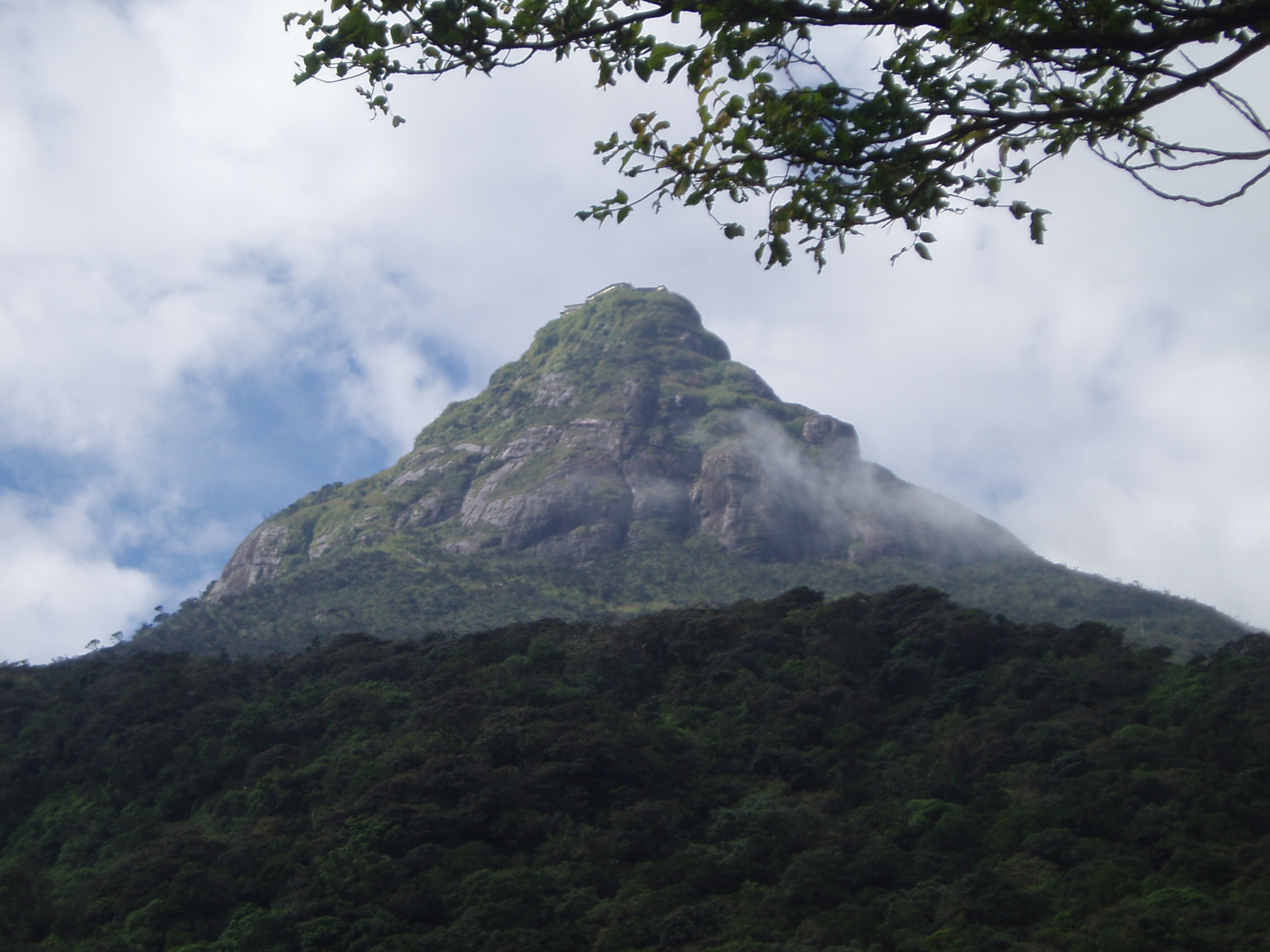
👣Sri Pada (Adam's Peak)
A sacred mountain with a footprint revered by four different religions.
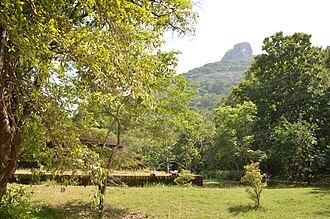
🌳Anuradhapura Sacred City
Sri Lanka's first ancient capital, home to the world's oldest known tree planted by humans.
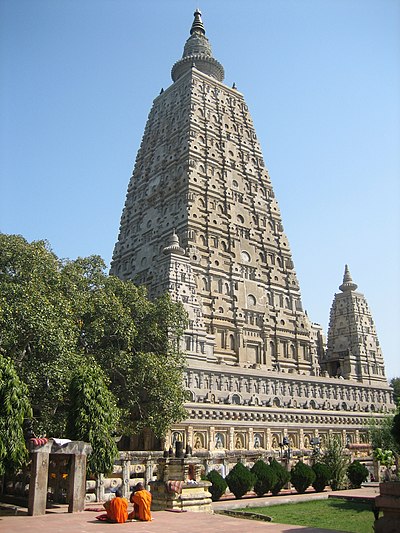
☸️Bodh Gaya (Mahabodhi Temple)
Where Siddhartha Gautama attained enlightenment and became the Buddha.
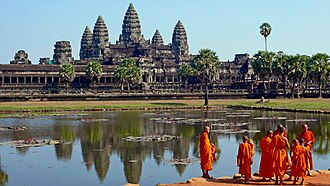
🛕Angkor Wat
The largest religious monument in the world, originally Hindu then Buddhist.