🏛️ Tash Rabat
Kyrgyzstan
About This Sacred Site
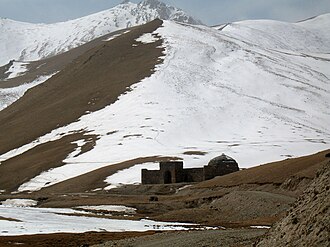
Tash Rabat is a remarkable 15th-century stone caravanserai situated at 3,200 meters elevation in a remote valley of the Kyrgyz Tien Shan mountains. Built into a hillside, the fortified structure served as a waystation on the Silk Road, with some scholars believing it was originally a 10th-century Nestorian Christian monastery later converted to a caravanserai. The building contains 31 rooms arranged around a central domed hall and is one of the best-preserved medieval Silk Road structures in Central Asia.
History & Origins
Tash Rabat, situated at 3,200 meters elevation in the Tien Shan mountains of Kyrgyzstan, is believed to have been established in the 15th century; however, some scholars argue for origins as early as the 10th century. The stone structure, comprising 31 rooms arranged around a central domed hall, demonstrates architectural features consistent with caravanserais of the Silk Road era. It is hypothesized by certain historians that the site was originally a Nestorian Christian monastery before transitioning into a multi-faith caravanserai. The complex underwent renovations during the Timurid period under Shah Rukh in the early 15th century to accommodate increased trade traffic. Archaeological excavations in the 20th century revealed inscriptions and artifacts indicating its diverse religious use. Today, the site is protected as a cultural monument by the Kyrgyz government and attracts researchers interested in Silk Road history.
Spiritual Significance
Tash Rabat holds spiritual significance as a pilgrimage waypoint where traders and travelers performed ritual prayers seeking protection for their journeys, aligning with Silk Road traditions linking commerce and spirituality. Pilgrims historically recited prayers from the Nestorian Peshitta and Islamic texts, reflecting its multi-faith use. The central domed hall was used for communal gatherings and ritual ceremonies during Nowruz, the Persian New Year festival celebrated by various religious communities in the region. Local Kyrgyz shamans also conducted seasonal rites in nearby natural springs, integrating pre-Islamic spiritual practices. Contemporary visitors engage in meditation and reflection within the stone chambers, honoring the site's layered religious heritage and the blend of Christian and Islamic worship traditions that once coexisted there.
Key Facts
- •Situated at 3,200 meters elevation in the Tien Shan mountains
- •Some scholars believe it was originally a Nestorian Christian monastery
- •Contains 31 rooms around a central domed hall
- •One of the best-preserved Silk Road structures in Central Asia
- •Built into a hillside using large stone blocks
Location
Coordinates: 40.8381, 75.5456
Frequently Asked Questions
What religion is Tash Rabat associated with?▾
Tash Rabat is a Multi-faith holy site located in Kyrgyzstan. It was established 15th century (possibly 10th century) and is ranked #566 in our global directory of sacred sites.
When was Tash Rabat established?▾
Tash Rabat dates back to 15th century (possibly 10th century). Situated at 3,200 meters elevation in the Tien Shan mountains
How many people visit Tash Rabat each year?▾
Tash Rabat receives approximately 20,000 visitors per year. Some scholars believe it was originally a Nestorian Christian monastery
What is Tash Rabat known for?▾
A mysterious 15th-century stone caravanserai high in the Kyrgyz mountains on the Silk Road. Visitors come seeking pilgrimage, meditation, peace, ancestral connection. Contains 31 rooms around a central domed hall
Related Holy Sites
Sacred places connected by country, religion, and purpose
⛰️Sulaiman-Too Sacred Mountain
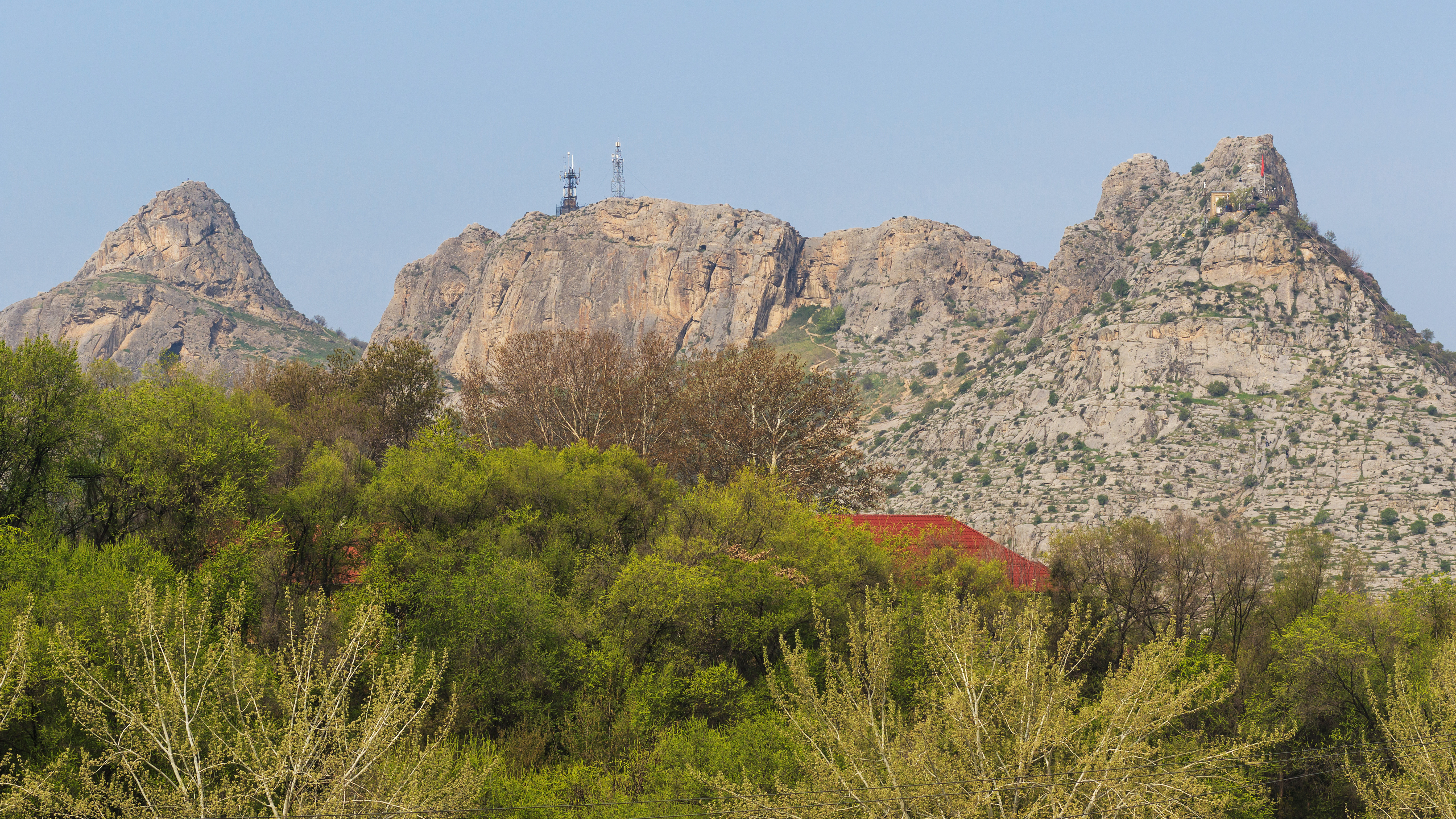
A UNESCO sacred mountain in Osh with Islamic and pre-Islamic shrines spanning millennia.
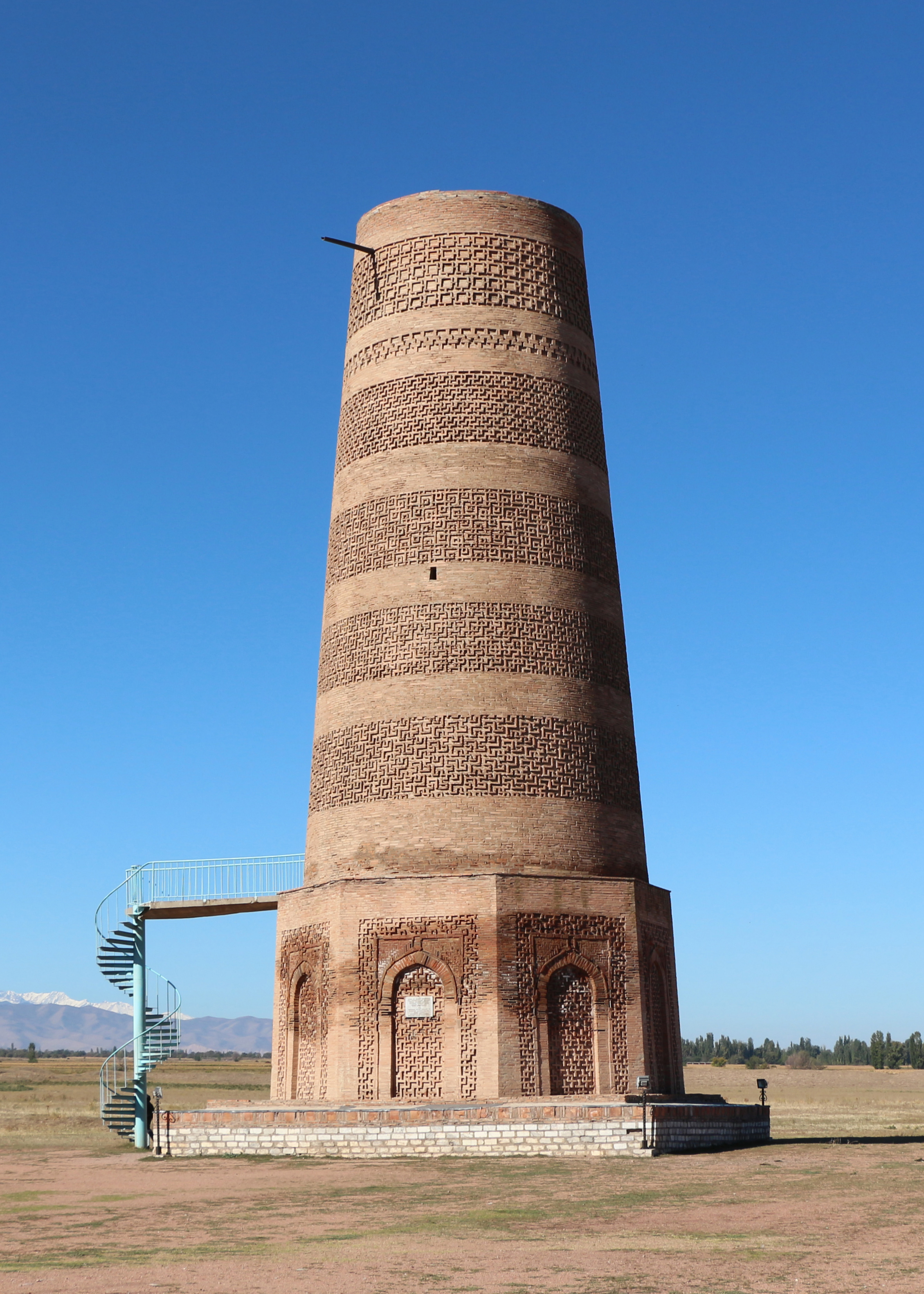
🗼Burana Tower
The remnant of an 11th-century minaret from the Karakhanid capital of Balasagun.
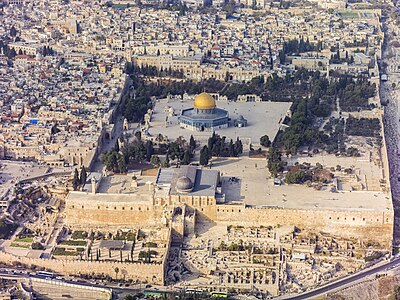
🕌Temple Mount / Al-Aqsa (Jerusalem)
Sacred to Judaism, Christianity, and Islam — the most contested holy site on Earth.
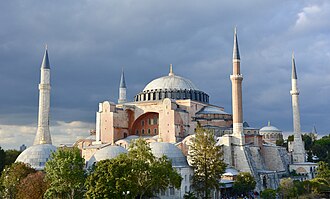
🏛️Hagia Sophia
A masterpiece that served as cathedral, mosque, and museum across centuries.