
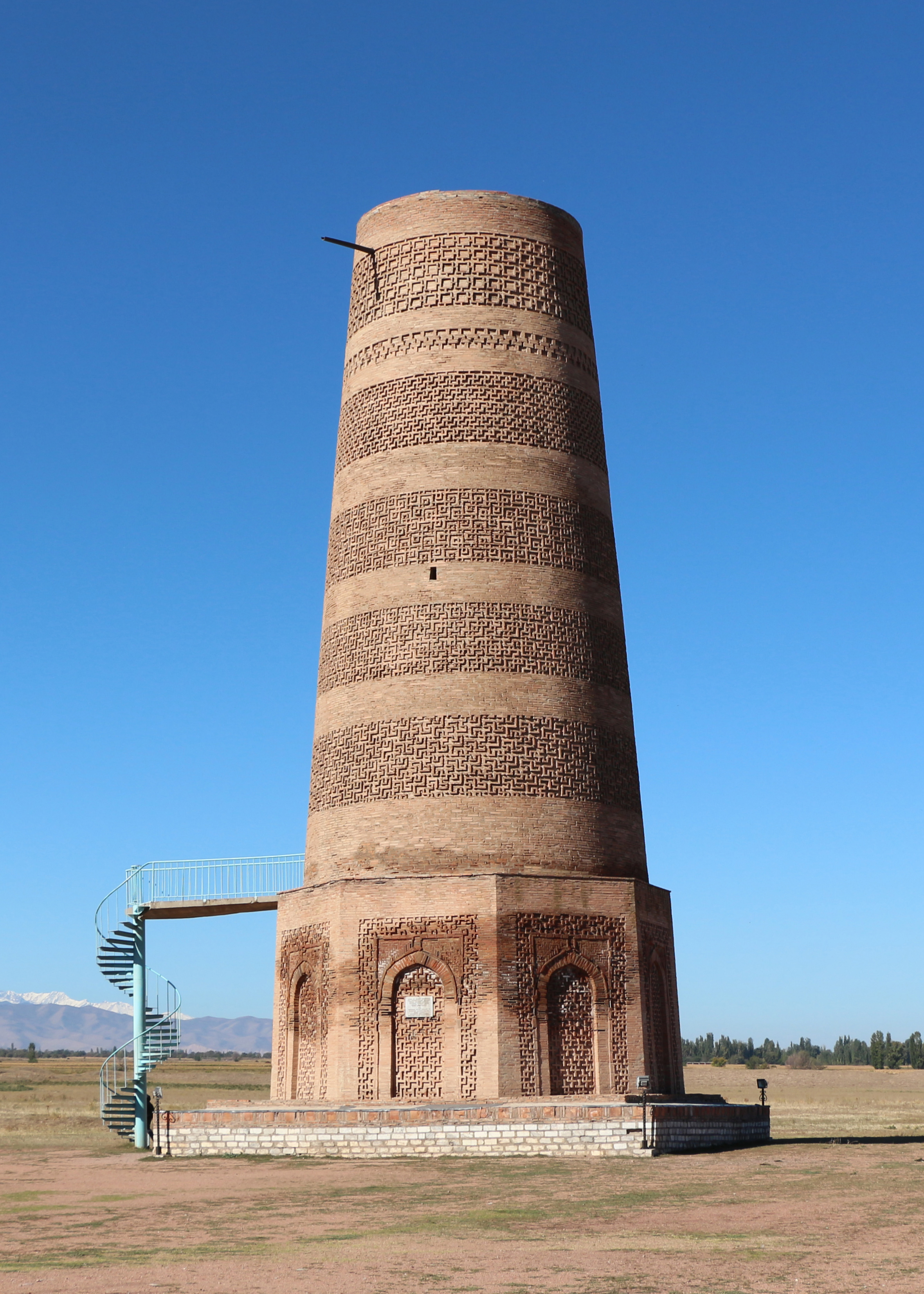
🗼 Burana Tower
Kyrgyzstan
About This Sacred Site
The Burana Tower is the surviving remnant of an 11th-century minaret located near the ruined Karakhanid city of Balasagun in northern Kyrgyzstan. Originally standing around 40 meters tall, earthquakes have reduced it to about 25 meters. The tower marked the great mosque of Balasagun, capital of the Karakhanid dynasty that adopted Islam and spread it across Central Asia. The surrounding site includes ancient balbals (stone grave markers), a small museum, and archaeological remains of the medieval city.
History & Origins
Constructed in the 11th century by the Karakhanid dynasty, the tower originally stood approximately 40 meters tall but now reaches only 25 meters due to damage caused by several earthquakes over the centuries. It served as a minaret for a large mosque complex within the ancient city of Balasagun, a key center of the Karakhanid empire which played a pivotal role in the Islamization of Central Asia. Archaeological excavations have uncovered balbals (stone grave markers) and petroglyphs surrounding the tower, evidencing its historical significance. The tower underwent preservation efforts in the mid-20th century to stabilize its structure. Today, it stands as a prominent symbol of the region's Islamic architectural heritage and medieval urban development.
Spiritual Significance
The tower functioned as a minaret where the muezzin called the faithful to prayer five times daily according to Hanafi Islamic tradition, reinforcing the spread of Islam under the Karakhanids. Pilgrims and local Muslims historically gathered at the adjacent mosque ruins for Friday prayers and religious festivals such as Mawlid, celebrating the Prophet Muhammad’s birth. The surrounding balbals are believed to mark the graves of early Muslim warriors and scholars, giving the site ancestral spiritual significance. The tower’s endurance through earthquakes is often interpreted by locals as a sign of divine protection, and it remains a destination for those interested in the historical roots of Islam in Kyrgyzstan. Its architectural style influences regional mosque designs, linking past and present Islamic devotional practices.
Key Facts
- •Originally about 40 meters tall, now reduced to 25 meters by earthquakes
- •Built in the 11th century by the Karakhanid dynasty
- •The Karakhanids were instrumental in Islamizing Central Asia
- •Surrounded by ancient balbals (Turkic stone grave markers)
- •Located near the ruins of the medieval city of Balasagun
Location
Coordinates: 42.7478, 75.2531
Frequently Asked Questions
What religion is Burana Tower associated with?▾
Burana Tower is a Islam holy site located in Kyrgyzstan. It was established 11th century CE and is ranked #505 in our global directory of sacred sites.
When was Burana Tower established?▾
Burana Tower dates back to 11th century CE. Originally about 40 meters tall, now reduced to 25 meters by earthquakes
How many people visit Burana Tower each year?▾
Burana Tower receives approximately 100,000 visitors per year. Built in the 11th century by the Karakhanid dynasty
What is Burana Tower known for?▾
The remnant of an 11th-century minaret from the Karakhanid capital of Balasagun. Visitors come seeking ancestral connection, spiritual enlightenment, peace, guidance. The Karakhanids were instrumental in Islamizing Central Asia
Related Holy Sites
Sacred places connected by country, religion, and purpose
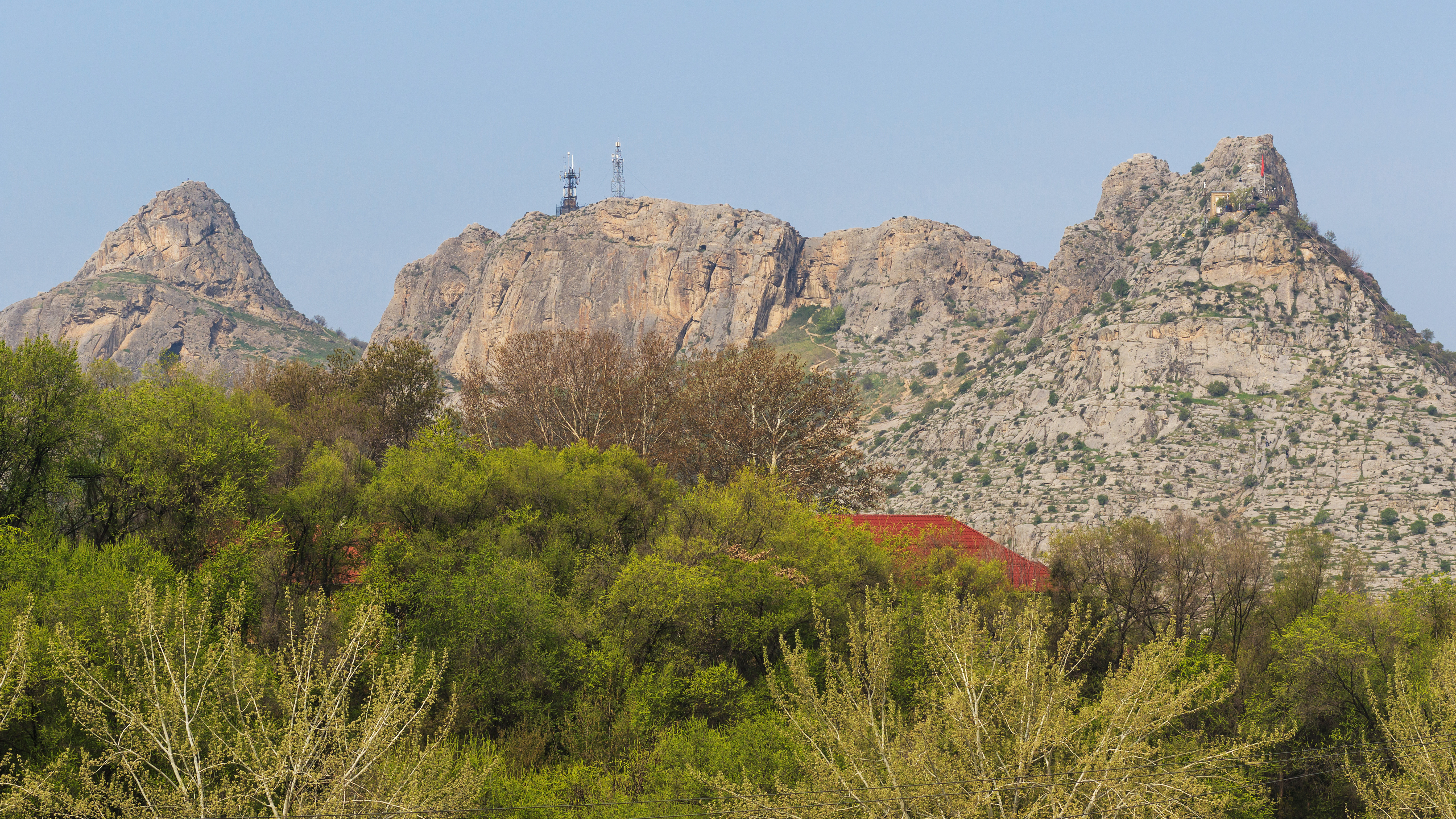
⛰️Sulaiman-Too Sacred Mountain
A UNESCO sacred mountain in Osh with Islamic and pre-Islamic shrines spanning millennia.
🏛️Tash Rabat
A mysterious 15th-century stone caravanserai high in the Kyrgyz mountains on the Silk Road.
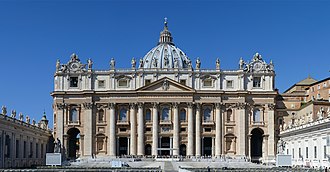
⛪Vatican City (St. Peter's Basilica)
The spiritual center of Roman Catholicism and home of the Pope.
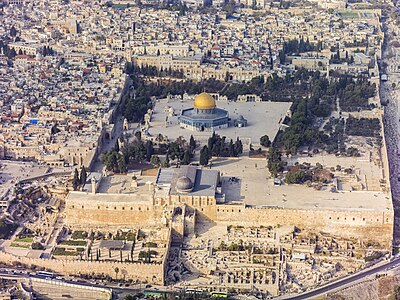
🕌Temple Mount / Al-Aqsa (Jerusalem)
Sacred to Judaism, Christianity, and Islam — the most contested holy site on Earth.

