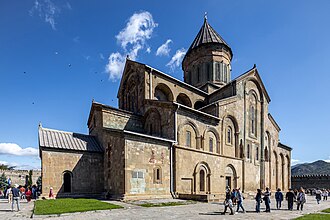
⛪ Svetitskhoveli Cathedral
Georgia
About This Sacred Site
Svetitskhoveli Cathedral in Mtskheta is the most sacred place in Georgia and the mother church of the Georgian Orthodox Church. According to tradition, the cathedral is built on the site where Christ's robe was buried after being brought from Jerusalem. The current 11th-century structure, a masterpiece of medieval Georgian architecture, replaced earlier churches dating to the 4th century. The cathedral has served as the coronation and burial site of Georgian monarchs and remains the spiritual heart of the Georgian nation.
History & Origins
The original church was established in the 4th century CE by King Mirian III following Georgia's adoption of Christianity in 327 CE, making it one of the earliest Christian structures in the region. The current cathedral was completed in 1029 CE under King Bagrat III, showcasing a cross-dome architectural style characteristic of Georgian medieval ecclesiastical design. Svetitskhoveli underwent significant renovations in the 11th and 17th centuries, including fresco restorations commissioned by Queen Tamar in the 12th century. It served as the coronation site for Georgian kings and the burial place for several monarchs, including King Vakhtang Gorgasali. Declared a UNESCO World Heritage Site in 1994, it preserves centuries of Georgian Orthodox Church heritage. Archaeological studies have uncovered ancient relics beneath the cathedral, reinforcing its continuous sacred use. The cathedral's walls contain inscriptions in Old Georgian script, further emphasizing its historical and cultural importance.
Spiritual Significance
According to Georgian Orthodox tradition, the cathedral enshrines the Robe of Christ (Chiton), brought from Mtskheta by a Jewish merchant, making it a major pilgrimage destination during the Feast of the Exaltation of the Holy Cross on September 14. Liturgies follow the Georgian Orthodox rite, with the cathedral hosting the annual celebration of St. Nino, who converted Georgia to Christianity in the 4th century. Pilgrims participate in processions around the cathedral, venerating the relics believed to imbue healing powers. The theological importance of the cathedral is tied to its role as the spiritual heart of Georgian Christianity, symbolizing the unity of the Georgian nation and church. Its status as a burial site for Georgian kings reflects doctrines of divine kingship and sacred monarchy. The cathedral's iconostasis and frescoes depict scenes from the Bible and Georgian hagiographies, used in catechetical instruction during services.
Key Facts
- •Believed to enshrine Christ's robe (Chiton)
- •UNESCO World Heritage Site since 1994
- •The current structure dates to the 11th century
- •Coronation and burial site of Georgian monarchs
- •The name means 'Life-Giving Pillar'
Location
Coordinates: 41.7422, 44.7206
Frequently Asked Questions
What religion is Svetitskhoveli Cathedral associated with?▾
Svetitskhoveli Cathedral is a Christianity holy site located in Georgia. It was established 4th century CE (first church) / 1029 CE (current) and is ranked #141 in our global directory of sacred sites.
When was Svetitskhoveli Cathedral established?▾
Svetitskhoveli Cathedral dates back to 4th century CE (first church) / 1029 CE (current). Believed to enshrine Christ's robe (Chiton)
How many people visit Svetitskhoveli Cathedral each year?▾
Svetitskhoveli Cathedral receives approximately 700,000 visitors per year. UNESCO World Heritage Site since 1994
What is Svetitskhoveli Cathedral known for?▾
The most sacred place in Georgia, believed to house Christ's robe and a pillar of faith. Visitors come seeking pilgrimage, blessings, salvation, spiritual enlightenment. The current structure dates to the 11th century
Related Holy Sites
Sacred places connected by country, religion, and purpose
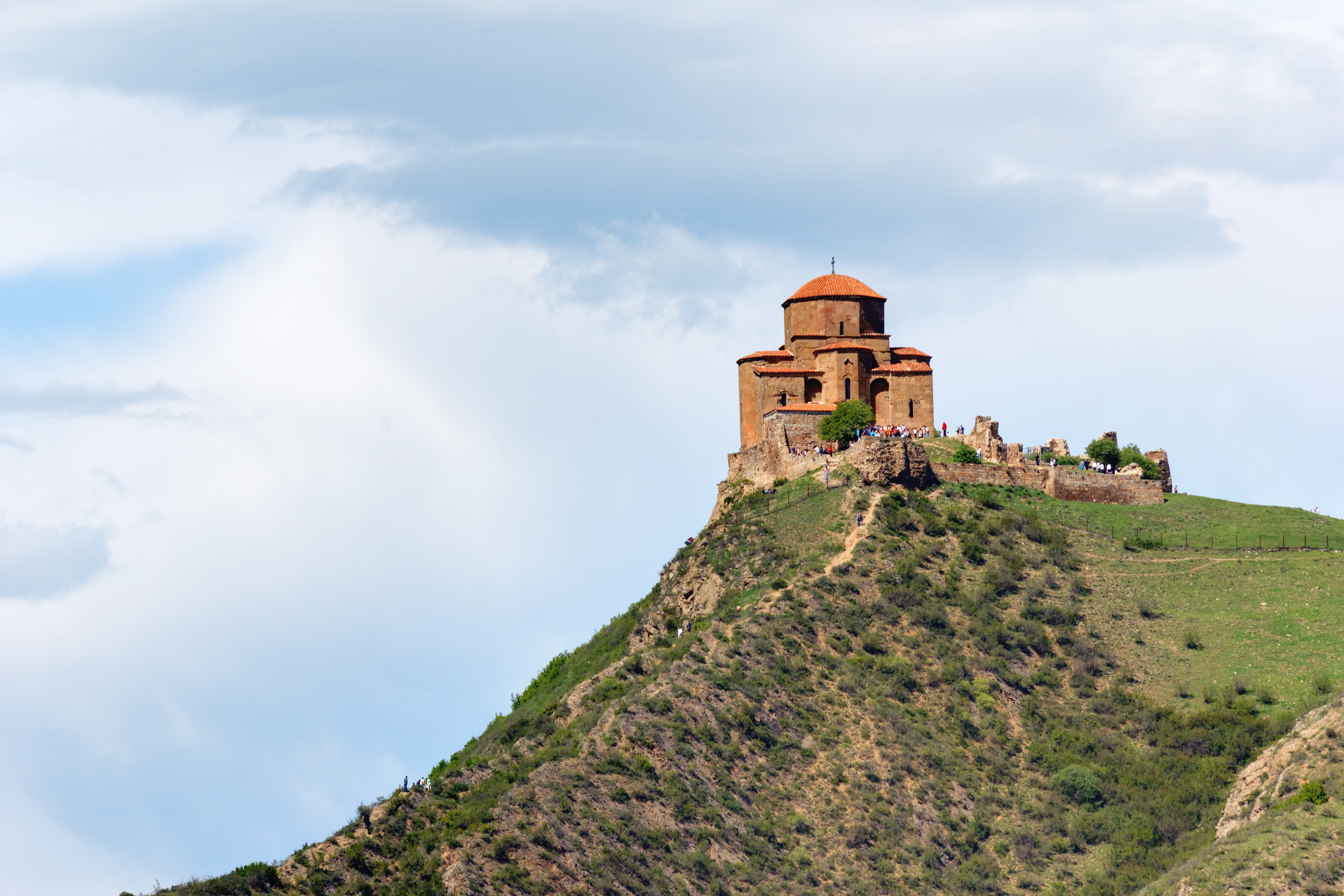
⛪Jvari Monastery
A 6th-century hilltop monastery overlooking the confluence of two rivers, a Georgian icon.
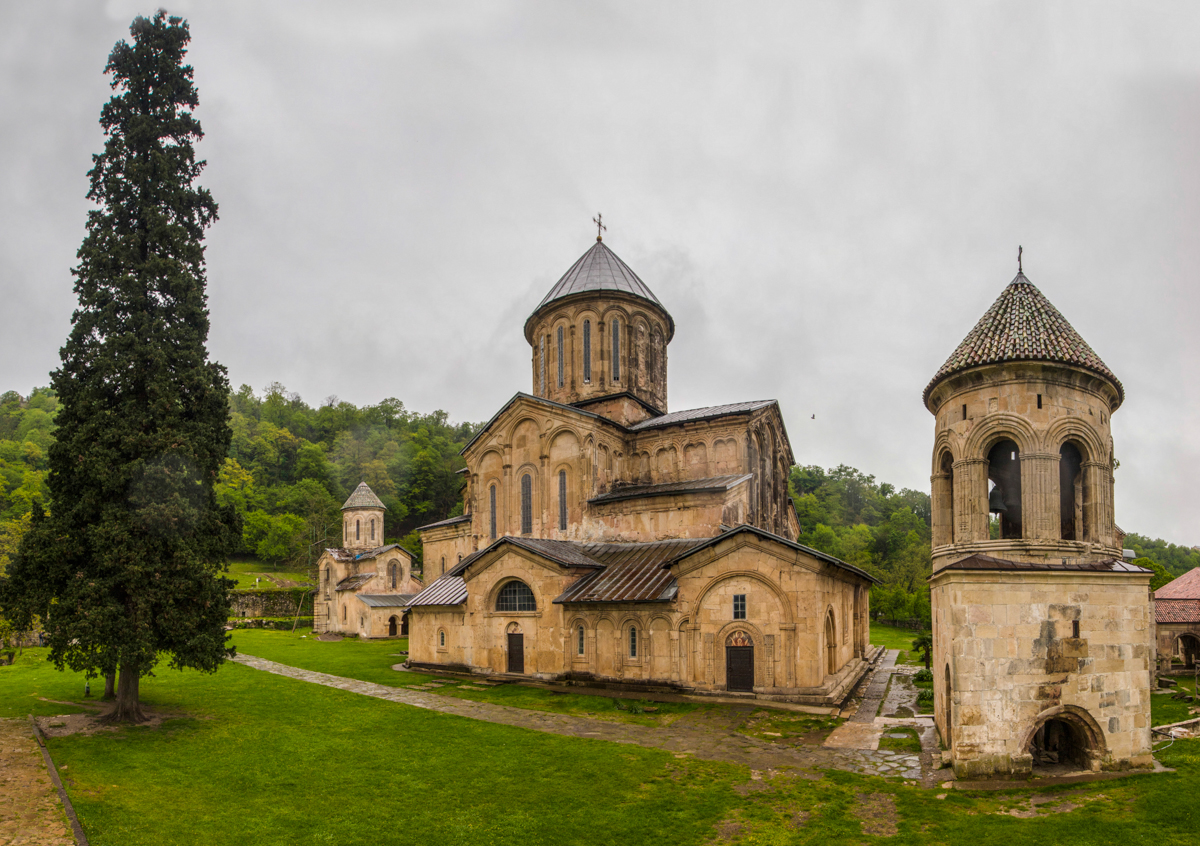
⛪Gelati Monastery
A UNESCO medieval monastery that was Georgia's premier center of learning and culture.

⛪Vatican City (St. Peter's Basilica)
The spiritual center of Roman Catholicism and home of the Pope.
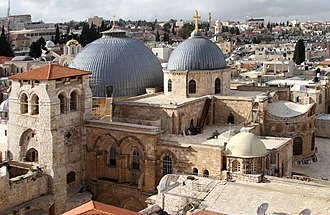
✝️Church of the Holy Sepulchre
The site where Jesus was crucified, buried, and resurrected.