
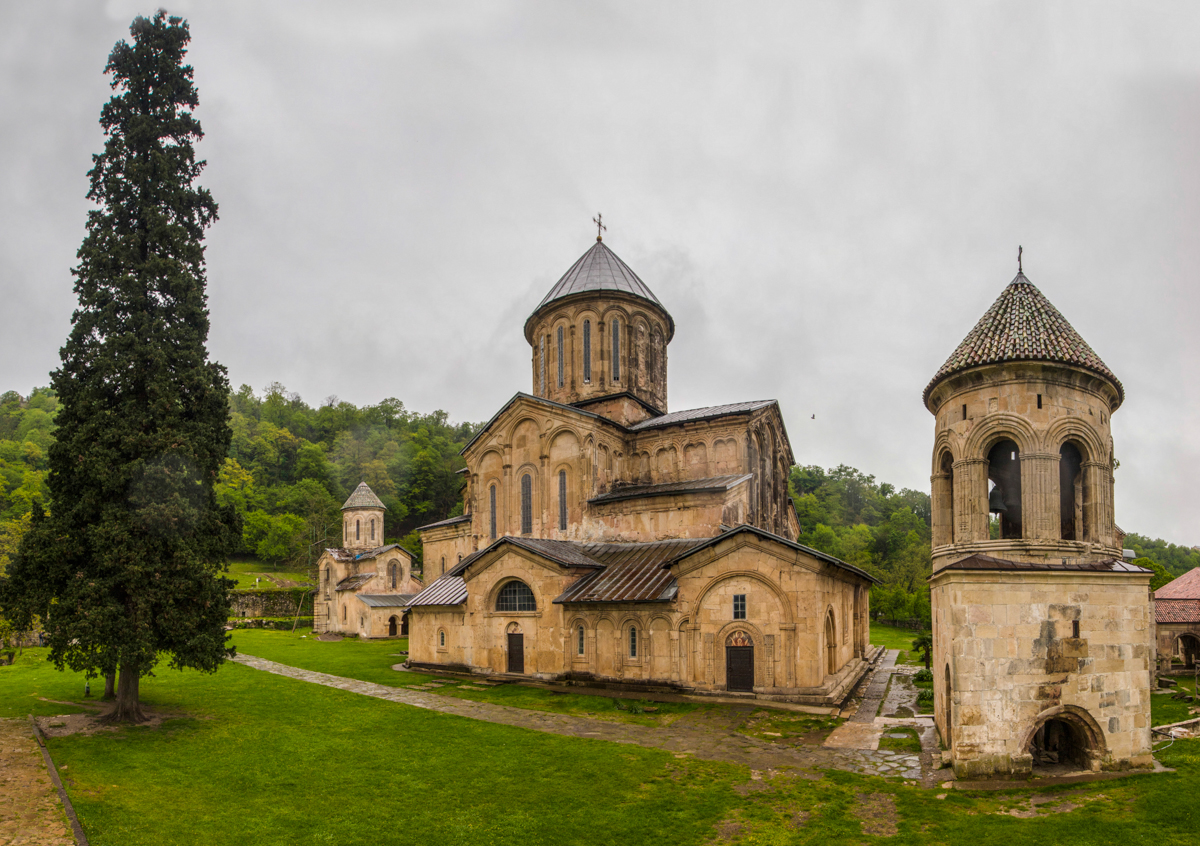
⛪ Gelati Monastery
Georgia
About This Sacred Site
Gelati Monastery, founded in 1106 by King David IV (David the Builder), was the premier intellectual center of medieval Georgia. The monastery complex includes the Church of the Virgin, the Church of St. George, and the Church of St. Nicholas, all adorned with stunning mosaics and frescoes. The Gelati Academy attached to the monastery was one of the most important centers of learning in the medieval Orthodox world, often called the 'Second Athens.' King David is buried in the entrance gateway so that all who enter walk over his tomb.
Spiritual Significance
Founded in 1106 by King David IV 'the Builder,' the monastery became a major center for Georgian Orthodox theological education, with the Gelati Academy earning the epithet 'Second Athens' for its scholarly contributions to Christianity and philosophy. The monastery hosts an annual feast on August 28 celebrating St. David, attracting pilgrims who participate in liturgies emphasizing the king's role in unifying the Georgian Church. The complex houses extensive frescoes depicting the Twelve Apostles and significant Georgian saints, used in catechesis and worship. The burial of King David within the monastery grounds reinforces its status as a royal and spiritual mausoleum, integrating doctrines of sanctity and kingship. Pilgrims engage in prayer and veneration before the relics of St. George and St. Theodore, preserved in the monastery's treasury. The theological curriculum historically included study of the Nicene Creed and writings of Church Fathers, linking Georgian Orthodoxy to broader Christian traditions.
Key Facts
- •Founded in 1106 by King David IV 'the Builder'
- •UNESCO World Heritage Site since 1994
- •The Gelati Academy was called the 'Second Athens'
- •King David is buried in the entrance gateway
- •Contains magnificent 12th-century mosaics and frescoes
Location
Coordinates: 42.2967, 42.7681
Frequently Asked Questions
What religion is Gelati Monastery associated with?▾
Gelati Monastery is a Christianity holy site located in Georgia. It was established 1106 CE and is ranked #369 in our global directory of sacred sites.
When was Gelati Monastery established?▾
Gelati Monastery dates back to 1106 CE. Founded in 1106 by King David IV 'the Builder'
How many people visit Gelati Monastery each year?▾
Gelati Monastery receives approximately 200,000 visitors per year. UNESCO World Heritage Site since 1994
What is Gelati Monastery known for?▾
A UNESCO medieval monastery that was Georgia's premier center of learning and culture. Visitors come seeking spiritual enlightenment, blessings, peace, guidance. The Gelati Academy was called the 'Second Athens'
Related Holy Sites
Sacred places connected by country, religion, and purpose
⛪Svetitskhoveli Cathedral
The most sacred place in Georgia, believed to house Christ's robe and a pillar of faith.
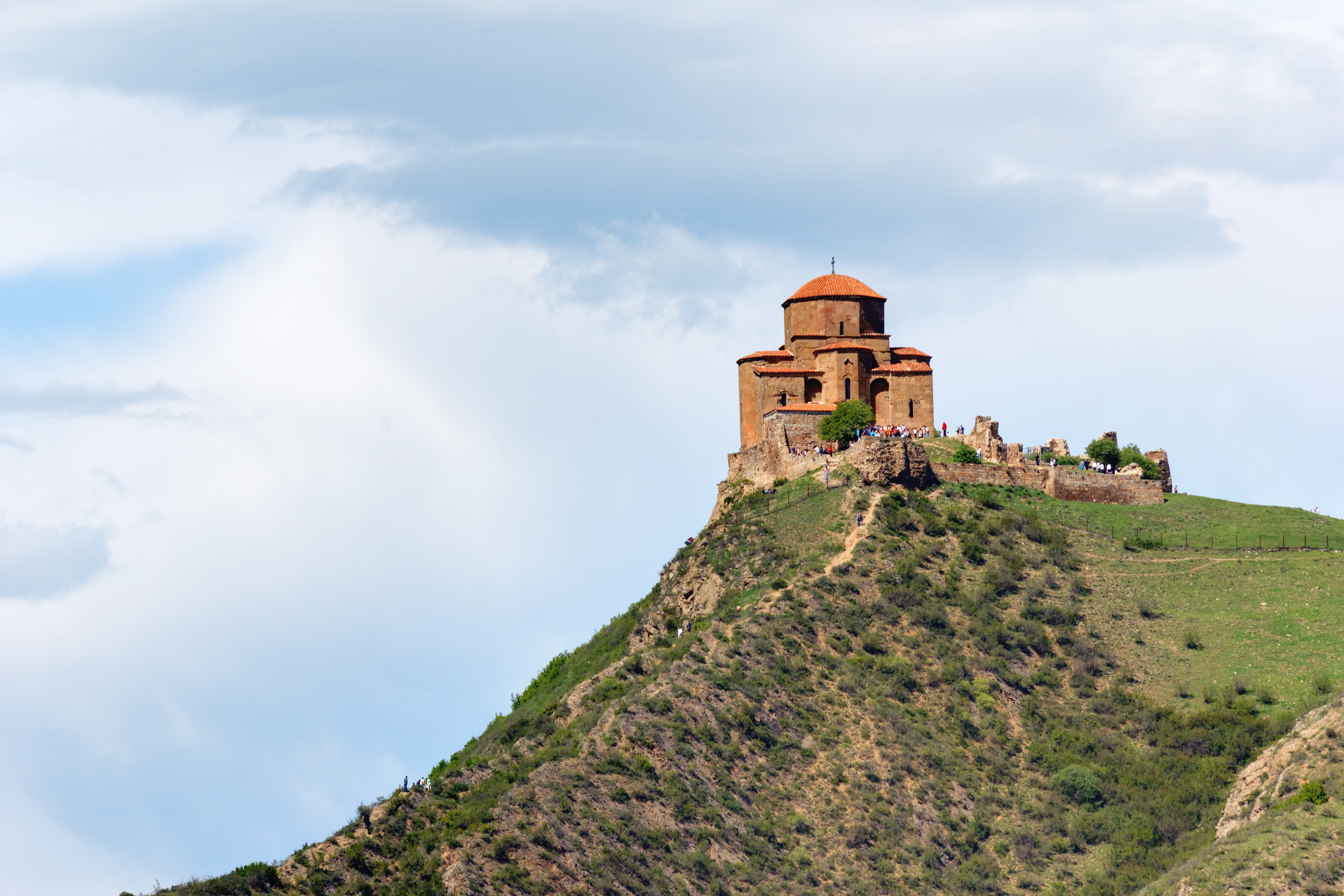
⛪Jvari Monastery
A 6th-century hilltop monastery overlooking the confluence of two rivers, a Georgian icon.
⛪Vatican City (St. Peter's Basilica)
The spiritual center of Roman Catholicism and home of the Pope.
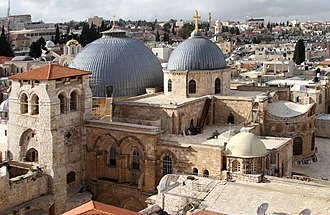
✝️Church of the Holy Sepulchre
The site where Jesus was crucified, buried, and resurrected.
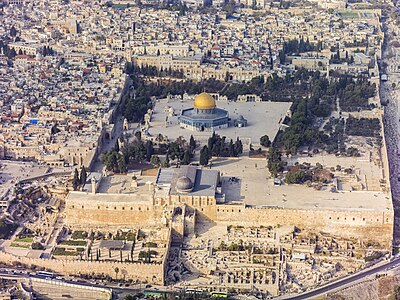
🕌Temple Mount / Al-Aqsa (Jerusalem)
Sacred to Judaism, Christianity, and Islam — the most contested holy site on Earth.
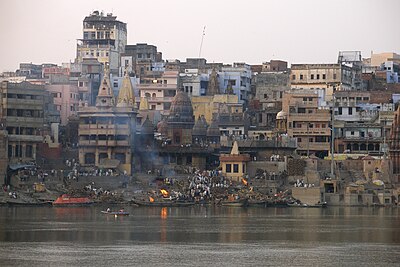
🙏Varanasi (Kashi Vishwanath Temple)
The holiest city in Hinduism, where the Ganges River purifies the soul.

