⛪ Jvari Monastery
Georgia
About This Sacred Site
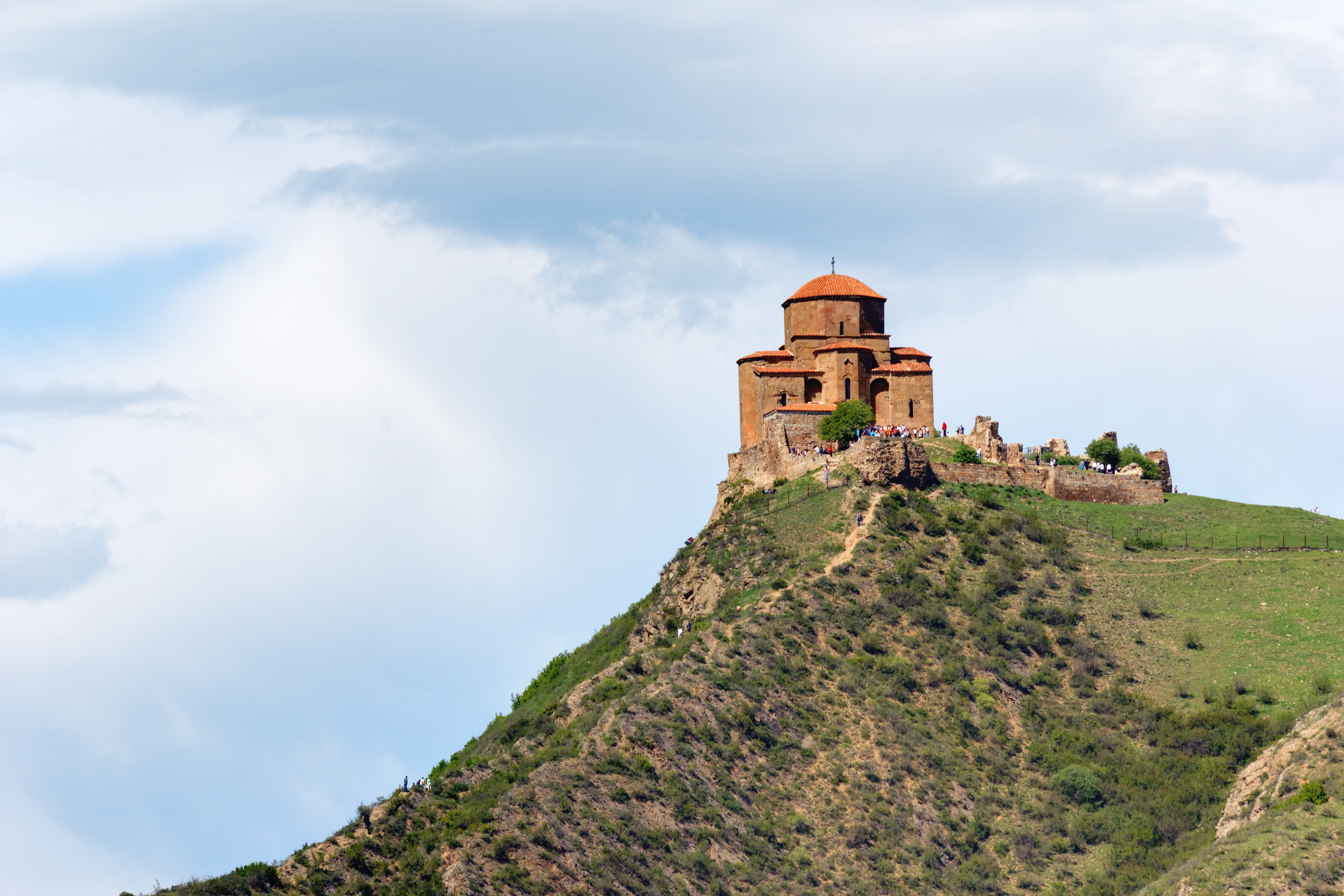
Jvari Monastery is a 6th-century Georgian Orthodox monastery perched on a rocky mountaintop at the confluence of the Mtkvari and Aragvi rivers, overlooking the ancient capital of Mtskheta. The name means 'Cross,' as tradition holds that St. Nino erected a large wooden cross on this spot in the 4th century to mark Georgia's conversion to Christianity. The tetraconchal church, built between 586 and 605 CE, was one of the first of its architectural type and became a model for medieval Georgian church architecture.
History & Origins
Constructed between 586 and 605 CE under the patronage of Georgian Prince Guaram I, the monastery was built on the site where St. Nino, credited with converting Georgia to Christianity in the early 4th century, erected a wooden cross. The structure exemplifies early Georgian tetraconch architecture, featuring a cruciform design with four apses. Recognized as a UNESCO World Heritage Site since 1994, it has undergone restorations in the 20th century to stabilize its stone masonry and preserve original fresco fragments. The monastery overlooks the confluence of the Mtkvari and Aragvi rivers near Mtskheta, a strategic location that historically served defensive as well as spiritual purposes. Archaeological evidence suggests the site was a place of pagan worship before its Christianization. The monastery's preservation is credited to efforts by the Georgian Orthodox Church and state authorities post-Soviet era.
Spiritual Significance
Jvari Monastery is central to Georgian religious identity due to its association with St. Nino's cross, a relic symbolizing Georgia's Christian conversion. The annual celebration of the Cross Day on August 14 involves liturgical processions around the monastery and veneration of the original wooden cross tradition, believed to have miraculous powers. Pilgrims ascend the hilltop to pray and witness panoramic views symbolizing spiritual elevation and divine protection. The site embodies teachings from the Georgian Orthodox Church regarding the triumph of Christianity over paganism, as recounted in the 'Conversion of Kartli' chronicle. Liturgies include hymns dedicated to the Holy Cross, reinforcing the theological doctrine of salvation through Christ's sacrifice. The monastery is also a focal point for monastic retreats emphasizing contemplative prayer and ascetic practices.
Key Facts
- •Built between 586 and 605 CE
- •UNESCO World Heritage Site since 1994
- •Named for the cross erected by St. Nino in the 4th century
- •Overlooks the confluence of the Mtkvari and Aragvi rivers
- •Pioneered the tetraconchal (four-apsed) church design
Location
Coordinates: 41.7383, 44.7333
Frequently Asked Questions
What religion is Jvari Monastery associated with?▾
Jvari Monastery is a Christianity holy site located in Georgia. It was established 586 CE and is ranked #214 in our global directory of sacred sites.
When was Jvari Monastery established?▾
Jvari Monastery dates back to 586 CE. Built between 586 and 605 CE
How many people visit Jvari Monastery each year?▾
Jvari Monastery receives approximately 500,000 visitors per year. UNESCO World Heritage Site since 1994
What is Jvari Monastery known for?▾
A 6th-century hilltop monastery overlooking the confluence of two rivers, a Georgian icon. Visitors come seeking pilgrimage, peace, spiritual enlightenment, blessings. Named for the cross erected by St. Nino in the 4th century
Related Holy Sites
Sacred places connected by country, religion, and purpose
⛪Svetitskhoveli Cathedral
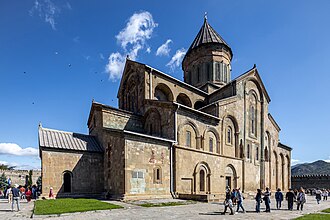
The most sacred place in Georgia, believed to house Christ's robe and a pillar of faith.
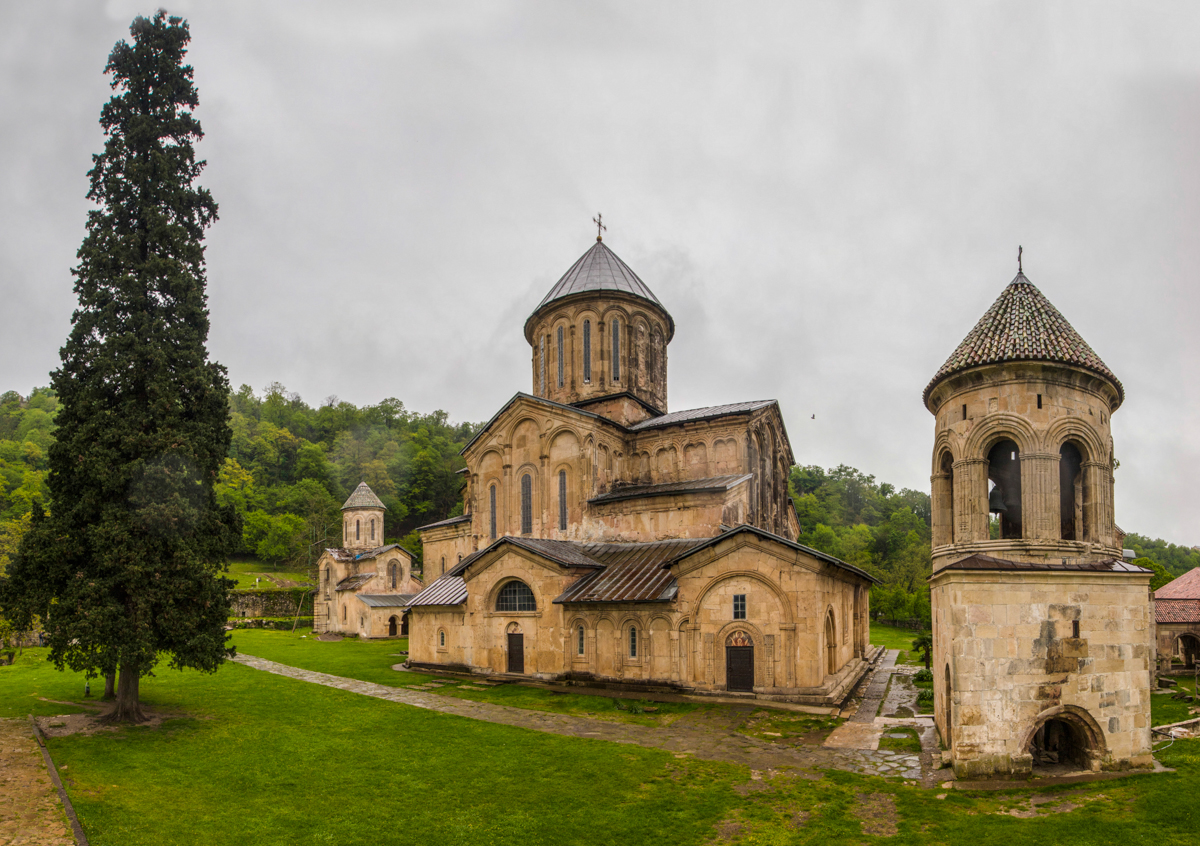
⛪Gelati Monastery
A UNESCO medieval monastery that was Georgia's premier center of learning and culture.
⛪Vatican City (St. Peter's Basilica)
The spiritual center of Roman Catholicism and home of the Pope.
✝️Church of the Holy Sepulchre
The site where Jesus was crucified, buried, and resurrected.