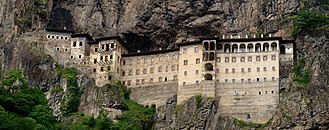
🏔️ Sumela Monastery
Turkey
About This Sacred Site
The Sumela Monastery (Panagia Soumela) clings dramatically to a sheer cliff face at 1,200 meters elevation in the Pontic Alps of northeast Turkey. Founded in 386 CE during the reign of Emperor Theodosius I, it was built around a miraculous icon of the Virgin Mary said to have been painted by the Apostle Luke. For over 1,500 years, the monastery was a major center of Greek Orthodox pilgrimage. The complex includes a rock-cut church, several chapels, kitchens, and student rooms, all decorated with vivid frescoes. After being abandoned in 1923, restoration efforts began in the 2010s.
History & Origins
Founded in 386 CE by two Athenian monks, Barnabas and Sophronius, the monastery was commissioned under Emperor Theodosius I during the reign of the Byzantine Empire. It was constructed on a steep cliff face at 1,200 meters elevation within the Pontic Mountains, providing strategic seclusion and defense. The monastery experienced significant expansion in the 13th century under the Empire of Trebizond, including the addition of chapels, kitchens, and monks' quarters. Ottoman records from the 16th century document continued monastic activity, with renovations funded by local Orthodox communities and imperial decrees. The icon of the Virgin Mary, attributed to the Apostle Luke, became a focal point of pilgrimage and devotion. The site was abandoned in 1923 following the population exchange between Greece and Turkey but has since undergone restoration efforts beginning in the late 20th century, preserving frescoes and architectural elements for cultural heritage.
Spiritual Significance
The monastery's foundation centered on the veneration of an icon of the Virgin Mary, believed to have miraculous origins linked to the Apostle Luke, establishing it as a major Marian pilgrimage destination in Eastern Orthodoxy. Annual celebrations include the Feast of the Dormition on August 15th, attracting thousands of pilgrims who perform liturgical services in the rock-carved church and participate in processions along cliffside paths. The monastic community followed the Rule of St. Basil, emphasizing prayer, fasting, and manuscript copying, contributing to theological scholarship. The site’s location in a remote mountainous region fostered ascetic practices and contemplative silence, integral to Orthodox spirituality. Pilgrims traditionally sought healing and intercession through prayers before the icon, with liturgies commemorating the Theotokos underscoring doctrinal teachings on Mary’s role as Mother of God within Byzantine theology.
Key Facts
- •Founded in 386 CE, making it over 1,600 years old
- •Built around an icon of the Virgin Mary attributed to the Apostle Luke
- •Clings to a cliff face at 1,200 meters elevation in the Altındere Valley
- •Was home to a continuous monastic community until 1923
- •The Turkish and Greek governments cooperated on restoration, and an Orthodox liturgy was held in 2010
Location
Coordinates: 40.6878, 39.6572
Frequently Asked Questions
What religion is Sumela Monastery associated with?▾
Sumela Monastery is a Christianity holy site located in Turkey. It was established 386 CE and is ranked #437 in our global directory of sacred sites.
When was Sumela Monastery established?▾
Sumela Monastery dates back to 386 CE. Founded in 386 CE, making it over 1,600 years old
How many people visit Sumela Monastery each year?▾
Sumela Monastery receives approximately 500,000 visitors per year. Built around an icon of the Virgin Mary attributed to the Apostle Luke
What is Sumela Monastery known for?▾
A Greek Orthodox monastery clinging to a cliff face high above a forested valley in northeast Turkey. Visitors come seeking miracles, pilgrimage, spiritual enlightenment, protection. Clings to a cliff face at 1,200 meters elevation in the Altındere Valley
Related Holy Sites
Sacred places connected by country, religion, and purpose
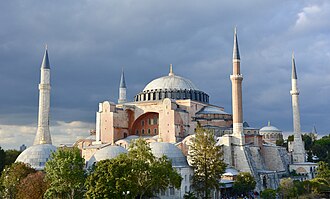
🏛️Hagia Sophia
A masterpiece that served as cathedral, mosque, and museum across centuries.
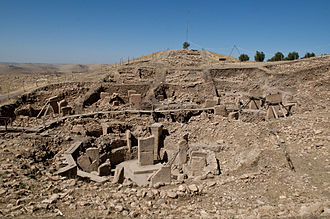
🏛️Göbekli Tepe
The world's oldest known temple, predating Stonehenge by 6,000 years.
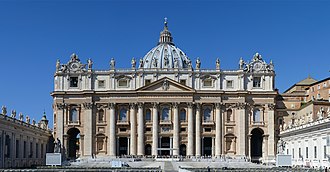
⛪Vatican City (St. Peter's Basilica)
The spiritual center of Roman Catholicism and home of the Pope.
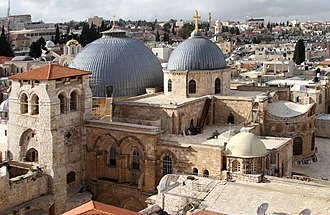
✝️Church of the Holy Sepulchre
The site where Jesus was crucified, buried, and resurrected.