🕌 Sultan Bello Mosque Kaduna
Nigeria
About This Sacred Site
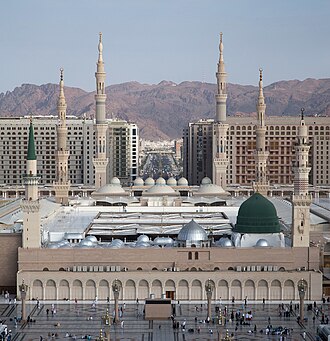
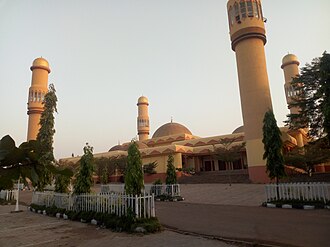
The Sultan Bello Mosque in Kaduna, established in the 1960s, features a rectangular prayer hall constructed from reinforced concrete with intricate Islamic geometric tile work adorning its facades. It is crowned by a central dome approximately 15 meters in diameter, flanked by four minarets that reach 40 meters high, each topped with crescent finials symbolizing Islamic faith. The mosque’s interior includes a mihrab intricately carved from marble, indicating the qibla direction towards Mecca. The mosque spans an area of about 3,000 square meters and accommodates roughly 3,000 worshippers. Its design incorporates traditional Hausa architectural elements blended with modern Islamic aesthetics, featuring arched windows and calligraphic inscriptions of Quranic verses along the walls.
History & Origins
Established in the 1960s during a period of Islamic revival in northern Nigeria, the Sultan Bello Mosque was named to honor Sultan Muhammad Bello, son of the founder of the Sokoto Caliphate. It was built to serve the growing Muslim population in Kaduna, a key city in northern Nigeria. Over the decades, the mosque has undergone expansions and renovations to accommodate increasing congregants and to modernize facilities. It has played a crucial role in religious education and has been a focal point during Islamic celebrations and community gatherings, cementing its status as a symbol of Islamic heritage in the region.
Spiritual Significance
Named after Sultan Muhammad Bello (1781–1837), a prominent Islamic scholar and son of Usman dan Fodio, the mosque serves as a central hub for Sunni Muslim worship and community gatherings in Kaduna, historically the capital of Nigeria's Northern Region. The mosque hosts congregational prayers, including Jumu'ah and Eid festivals, which attract worshippers from across northern Nigeria. It functions as a center for Islamic education, with Quranic schools teaching Tajweed and Fiqh under the supervision of local religious leaders. The mosque’s spiritual role is reinforced by its connection to the Sokoto Caliphate legacy, emphasizing Sharia law and Sufi traditions, particularly Tijaniyya and Qadiriyya orders, which hold regular dhikr ceremonies within its precincts. Pilgrims often visit to seek blessings and counsel from the mosque’s imam, who is regarded as a community spiritual authority.
Key Facts
- •Named after Sultan Muhammad Bello (1781–1837), son of Usman dan Fodio
- •Kaduna served as the capital of the Northern Region of Nigeria
- •The mosque serves as a gathering point for major Islamic festivals
- •Reflects the architectural traditions of the Sokoto Caliphate
- •Central to the religious and cultural life of northern Nigeria's Muslims
Location
Coordinates: 10.5167, 7.4333
Frequently Asked Questions
What religion is Sultan Bello Mosque Kaduna associated with?▾
Sultan Bello Mosque Kaduna is a Islam holy site located in Nigeria. It was established c. 1960s and is ranked #807 in our global directory of sacred sites.
When was Sultan Bello Mosque Kaduna established?▾
Sultan Bello Mosque Kaduna dates back to c. 1960s. Named after Sultan Muhammad Bello (1781–1837), son of Usman dan Fodio
How many people visit Sultan Bello Mosque Kaduna each year?▾
Sultan Bello Mosque Kaduna receives approximately 500,000+ visitors per year. Kaduna served as the capital of the Northern Region of Nigeria
What is Sultan Bello Mosque Kaduna known for?▾
One of the most important mosques in northern Nigeria, named after a Sokoto Caliphate leader. Visitors come seeking pilgrimage, guidance, blessings, peace. The mosque serves as a gathering point for major Islamic festivals
Related Holy Sites
Sacred places connected by country, religion, and purpose