
🗿 Nok Village
Nigeria
About This Sacred Site
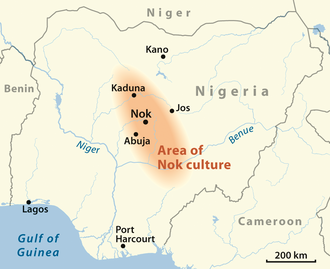
Nok Village, located in Kaduna State, Nigeria, is the namesake of the Nok culture, one of West Africa's earliest civilizations dating from roughly 1500 BCE to 500 CE. The site is renowned for its terracotta sculptures, some of the oldest in Africa, depicting human and animal figures. These artifacts reveal advanced iron-smelting technology and complex social structures. Nok Village remains a critical archaeological site shedding light on prehistoric West African societies.
Spiritual Significance
Dating back to approximately 1500 BCE, the Nok culture is renowned for its terracotta sculptures, which are among the oldest known figurative artworks in sub-Saharan Africa, reflecting complex religious symbolism and ancestor veneration practices. Archaeological discoveries at Nok Village reveal ritualistic burial sites where these terracottas were placed alongside the deceased, indicating belief in an afterlife and spiritual intermediaries. The Nok people engaged in annual festivals at sacred groves surrounding the village, where offerings to earth and sky deities were made to ensure agricultural fertility and communal wellbeing. Local oral traditions, passed through generations of Nok descendants, recount the role of spiritual leaders called 'Baki' who mediated between the living and ancestral spirits, conducting rites that align with the terracotta iconography. Pilgrimages to Nok Village today often include ceremonies invoking these ancient spirits, with participants replicating rituals believed to have been performed during the culture's height between 1500 BCE and 500 CE. The site’s discovery in 1928 by British archaeologists has since inspired preservation efforts that emphasize the spiritual heritage embedded in the terracotta figures and their role in West African religious history.
Key Facts
- •Nok culture dates from approximately 1500 BCE to 500 CE
- •Nok terracottas are among the oldest figurative sculptures in sub-Saharan Africa
- •The culture was first discovered in 1928 during tin mining operations
- •Nok people were among the earliest iron smelters in West Africa
- •Many Nok figures are thought to have served religious or ritual purposes
Location
Coordinates: 9.4667, 8.0167
Frequently Asked Questions
What religion is Nok Village associated with?▾
Nok Village is a Indigenous holy site located in Nigeria. It was established c. 1500 BCE and is ranked #166 in our global directory of sacred sites.
When was Nok Village established?▾
Nok Village dates back to c. 1500 BCE. Nok culture dates from approximately 1500 BCE to 500 CE
How many people visit Nok Village each year?▾
Nok Village receives approximately 50,000+ visitors per year. Nok terracottas are among the oldest figurative sculptures in sub-Saharan Africa
What is Nok Village known for?▾
The type site of the ancient Nok culture, known for terracotta figures with possible ritual significance. Visitors come seeking ancestral connection, spiritual enlightenment, guidance, protection. The culture was first discovered in 1928 during tin mining operations
Related Holy Sites
Sacred places connected by country, religion, and purpose
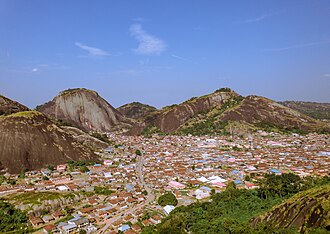

🪨Uluru (Ayers Rock)
A sacred monolith central to Aboriginal Australian creation stories.
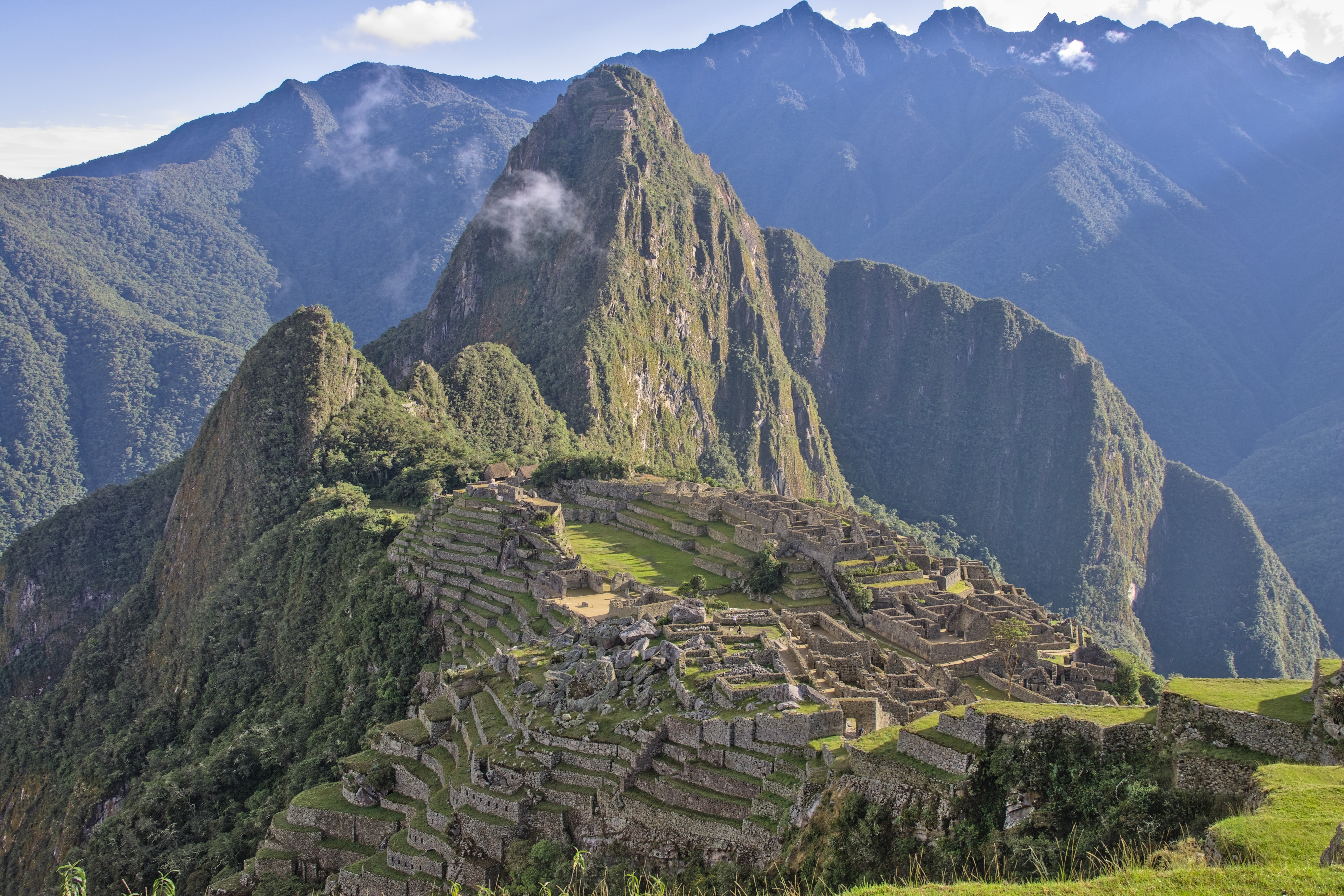
🏔️Machu Picchu
A sacred Inca citadel set high in the Andes, aligned with astronomical events.
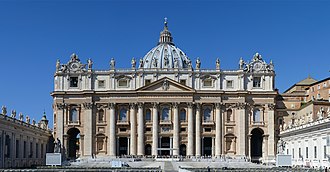
⛪Vatican City (St. Peter's Basilica)
The spiritual center of Roman Catholicism and home of the Pope.

🕌Temple Mount / Al-Aqsa (Jerusalem)
Sacred to Judaism, Christianity, and Islam — the most contested holy site on Earth.

