
🕌 Sufi Shrines of Omdurman
Sudan
About This Sacred Site
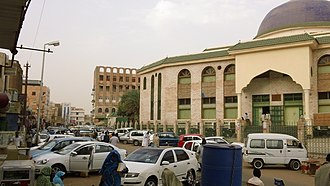
Omdurman, across the Nile from Khartoum, is the spiritual heart of Sudanese Sufism. The city contains numerous shrines (qubbas) of Sufi saints and is renowned for its weekly Friday dhikr (remembrance) ceremonies, where Sufi orders gather for ecstatic worship involving chanting, swaying, and drumming. The Hamed al-Nil cemetery is the most famous venue for these gatherings. Sufism has been central to Sudanese Islamic identity for centuries, and Omdurman's shrines reflect this deep mystical tradition.
Spiritual Significance
The Sufi Shrines of Omdurman have been a central element of Sudanese Islam since the 16th century, reflecting the enduring influence of Sufi orders (tariqa) such as the Qadiriyya and Tijaniyya. Established around the 1500s, these shrines include the Hamed al-Nil cemetery, where the Friday dhikr attracts hundreds of participants who engage in collective chanting and rhythmic movements aimed at spiritual purification, as detailed in Sudanese Islamic ethnographies. Pilgrims visit these shrines not only for prayer but also to seek baraka (blessing) from the tombs of revered Sufi saints, many of whom were influential religious leaders during the Mahdist period of the late 19th century. The shrines function as hubs for annual festivals commemorating the death anniversaries (mawlid) of prominent sheikhs, involving recitations of the Quran, Sufi poetry, and communal feasts. The theological importance of these sites is underscored by their role in mediating between the divine and the faithful, following doctrinal teachings found in classical Sufi texts such as Ibn Arabi's "Fusus al-Hikam." The city of Omdurman itself emerged as a spiritual capital during the Mahdist State (1885-1898), reinforcing the shrines' status as focal points for Sudanese religious identity and resistance.
Key Facts
- •The Friday dhikr at the Hamed al-Nil cemetery draws hundreds of participants
- •Sufi orders (tariqa) have been central to Sudanese Islam since the 16th century
- •Omdurman was the capital of the Mahdist state in the late 19th century
- •The ceremonies feature whirling, chanting, drumming, and incense
- •Multiple Sufi orders including the Qadiriyya and Sammaniyya are active in the city
Location
Coordinates: 15.6361, 32.4736
Frequently Asked Questions
What religion is Sufi Shrines of Omdurman associated with?▾
Sufi Shrines of Omdurman is a Islam holy site located in Sudan. It was established c. 1500s and is ranked #788 in our global directory of sacred sites.
When was Sufi Shrines of Omdurman established?▾
Sufi Shrines of Omdurman dates back to c. 1500s. The Friday dhikr at the Hamed al-Nil cemetery draws hundreds of participants
How many people visit Sufi Shrines of Omdurman each year?▾
Sufi Shrines of Omdurman receives approximately 200,000+ visitors per year. Sufi orders (tariqa) have been central to Sudanese Islam since the 16th century
What is Sufi Shrines of Omdurman known for?▾
The Sufi shrines and weekly dhikr ceremonies in Omdurman, a living tradition of Sudanese mysticism. Visitors come seeking spiritual enlightenment, healing, blessings, peace. Omdurman was the capital of the Mahdist state in the late 19th century
Related Holy Sites
Sacred places connected by country, religion, and purpose
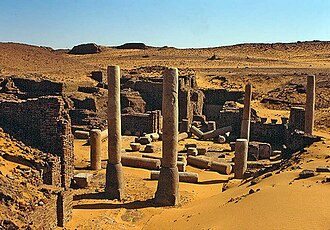
⛪Old Dongola
The capital of the medieval Christian Nubian kingdom of Makuria on the Nile.
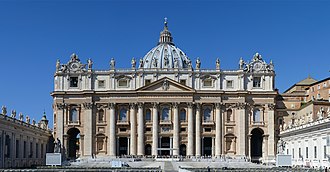
⛪Vatican City (St. Peter's Basilica)
The spiritual center of Roman Catholicism and home of the Pope.
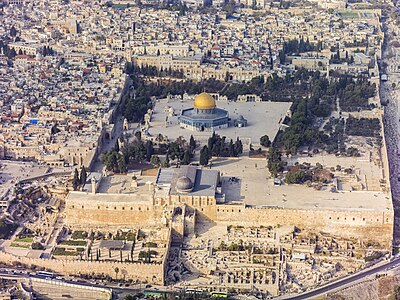
🕌Temple Mount / Al-Aqsa (Jerusalem)
Sacred to Judaism, Christianity, and Islam — the most contested holy site on Earth.

