
⛪ Old Dongola
Sudan
About This Sacred Site
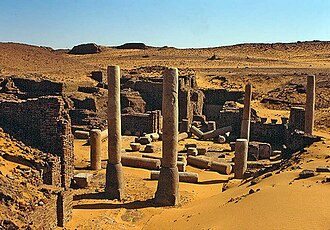
Old Dongola was the capital of the medieval Christian kingdom of Makuria, which thrived from the 6th to the 14th century along the Nile in present-day Sudan. The site contains the remains of several churches, a cathedral, a monastery, and the throne hall, adorned with Christian frescoes depicting Christ, the Virgin Mary, and Nubian kings. Makuria was one of the last Christian kingdoms in Africa and successfully resisted Arab-Muslim expansion for centuries. The site's churches and art are among the most important examples of Nubian Christian heritage.
History & Origins
Old Dongola was the capital of the medieval Christian kingdom of Makuria from the 6th to the 14th century CE, located along the Nile in present-day Sudan. The city became a significant religious and political center, known for its impressive churches, monasteries, and fortifications reflecting Byzantine and Nubian architectural influences. Makuria successfully resisted early Islamic expansion through treaties and maintained Christian dominance in the region for centuries. The city declined after the 14th century due to political fragmentation and shifting trade routes. Archaeological excavations have revealed its rich Christian heritage and role as a cultural crossroads.
Spiritual Significance
Old Dongola, capital of the Christian kingdom of Makuria from the 6th to the 14th century, was pivotal in the spread of Coptic Christianity in medieval Nubia. The site features church ruins adorned with remarkable Christian frescoes dating to the 9th and 10th centuries, illustrating biblical scenes and saints, which reflect theological influences from the Coptic Orthodox tradition. Annual liturgical celebrations, such as the feast of Saint Mina, were observed here, involving processions and the reading of scriptures in Old Nubian and Coptic, as documented in manuscript fragments recovered at the site. Pilgrimage to Old Dongola included veneration of relics housed within church crypts, integral to the local understanding of sanctity and divine intercession. The kingdom notably resisted Arab-Muslim expansion for over four centuries, maintaining Christian liturgical practices and monastic life, supported by treaties like the Baqt agreement signed in the 7th century. The theological framework emphasized Christological doctrines aligned with Miaphysitism, as propagated by ecclesiastical authorities linked to the Coptic Patriarchate of Alexandria. Archaeological evidence indicates that Old Dongola was a hub for scriptural scholarship and monasticism, contributing to the preservation of Christian Nubian culture in the face of regional Islamization.
Key Facts
- •Capital of the Christian kingdom of Makuria from the 6th to 14th century
- •Contains church ruins with remarkable Christian frescoes
- •Makuria resisted Arab-Muslim expansion for over 600 years
- •The Throne Hall (now a mosque) contains both Christian and Islamic decoration
- •Polish archaeological teams have been excavating the site since the 1960s
Location
Coordinates: 18.2222, 30.7500
Frequently Asked Questions
What religion is Old Dongola associated with?▾
Old Dongola is a Christianity holy site located in Sudan. It was established c. 500s CE and is ranked #853 in our global directory of sacred sites.
When was Old Dongola established?▾
Old Dongola dates back to c. 500s CE. Capital of the Christian kingdom of Makuria from the 6th to 14th century
How many people visit Old Dongola each year?▾
Old Dongola receives approximately 10,000+ visitors per year. Contains church ruins with remarkable Christian frescoes
What is Old Dongola known for?▾
The capital of the medieval Christian Nubian kingdom of Makuria on the Nile. Visitors come seeking ancestral connection, spiritual enlightenment, pilgrimage, peace. Makuria resisted Arab-Muslim expansion for over 600 years
Related Holy Sites
Sacred places connected by country, religion, and purpose
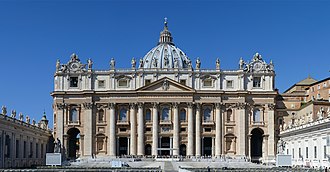
⛪Vatican City (St. Peter's Basilica)
The spiritual center of Roman Catholicism and home of the Pope.
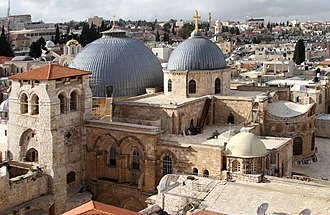
✝️Church of the Holy Sepulchre
The site where Jesus was crucified, buried, and resurrected.
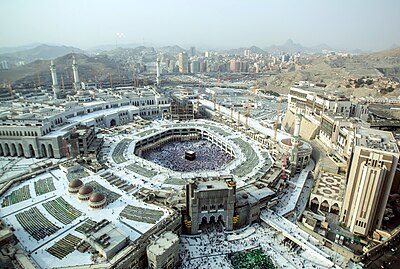
🕋Masjid al-Haram (Great Mosque of Mecca)
The holiest site in Islam, home of the Kaaba, and the destination for Hajj pilgrimage.
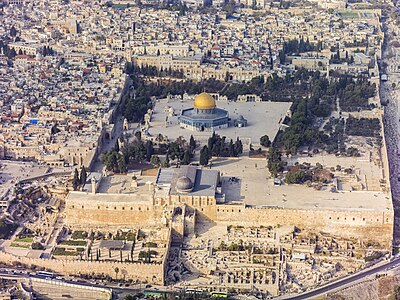
🕌Temple Mount / Al-Aqsa (Jerusalem)
Sacred to Judaism, Christianity, and Islam — the most contested holy site on Earth.

