
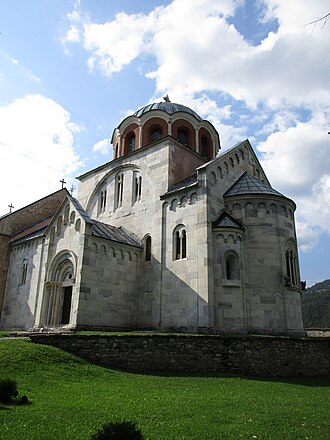
⛪ Studenica Monastery
Serbia
About This Sacred Site
Studenica Monastery, founded in 1190 by Stefan Nemanja, is Serbia's largest and wealthiest medieval monastery, serving as a spiritual heart of Serbian Orthodoxy. The complex is renowned for its white marble churches adorned with exquisite Byzantine frescoes from the 13th and 14th centuries. It played a pivotal role in consolidating Serbian statehood and religious identity and remains an active monastic community and UNESCO World Heritage Site, representing the zenith of medieval Serbian art and architecture.
History & Origins
Studenica Monastery was founded in 1190 by Stefan Nemanja, the Grand Prince of Serbia who later took monastic vows as Simeon, establishing the Nemanjić dynasty's spiritual legacy. The Church of the Virgin, completed in 1196, is the oldest and main church within the complex, showcasing early Serbian Byzantine architecture. The monastery contains frescoes from the 13th century that represent some of the finest examples of Byzantine art in the Balkans, painted during the reign of King Stefan Uroš I. Studenica suffered damage during Ottoman incursions in the 15th century but was preserved through restoration efforts in the 18th and 20th centuries. The monastery was inscribed on the UNESCO World Heritage list in 1986, recognizing its cultural and historical significance. It remains an active Serbian Orthodox monastic community, continuing centuries-old liturgical traditions. The library holds medieval manuscripts critical to understanding Serbian medieval history and Orthodox theology.
Spiritual Significance
Studenica Monastery has been a major center for Serbian Orthodox spirituality since its founding in 1190 by Stefan Nemanja, who became monk Simeon and was later canonized. The monastery's Church of the Virgin hosts the annual feast of the Presentation of the Virgin on November 21, featuring Byzantine chant and processions. The 13th-century frescoes depict scenes from the Gospels and the lives of saints, serving as visual theology for monastic and pilgrim meditation. The monastery is a pilgrimage destination during Pascha (Easter), when the Divine Liturgy includes the reading of the Akathist Hymn to the Theotokos, underscoring Marian veneration. Monks maintain the tradition of hesychasm, emphasizing contemplative prayer rooted in the Philokalia texts. The monastery also preserves relics of Serbian saints, which pilgrims venerate, reinforcing continuity with early Orthodox Christian practices in the region. The site embodies the spiritual and political consolidation of medieval Serbia under Orthodox Christianity.
Key Facts
- •Founded in 1190 by Stefan Nemanja, founder of the Nemanjić dynasty and later monk Simeon
- •The Church of the Virgin (1196) contains some of the finest 13th-century Byzantine frescoes
- •Inscribed as a UNESCO World Heritage Site in 1986
- •St. Sava, the founder of the Serbian Orthodox Church, was a monk here before founding the autocephalous church
- •The white marble churches are among the finest examples of the Raška school of architecture
Location
Coordinates: 43.4867, 20.5322
Frequently Asked Questions
What religion is Studenica Monastery associated with?▾
Studenica Monastery is a Christianity holy site located in Serbia. It was established 1190 and is ranked #283 in our global directory of sacred sites.
When was Studenica Monastery established?▾
Studenica Monastery dates back to 1190. Founded in 1190 by Stefan Nemanja, founder of the Nemanjić dynasty and later monk Simeon
How many people visit Studenica Monastery each year?▾
Studenica Monastery receives approximately 100,000 visitors per year. The Church of the Virgin (1196) contains some of the finest 13th-century Byzantine frescoes
What is Studenica Monastery known for?▾
The most important Serbian Orthodox monastery, founded by the Nemanjić dynasty in the 12th century. Visitors come seeking spiritual enlightenment, ancestral connection, pilgrimage, peace. Inscribed as a UNESCO World Heritage Site in 1986
Related Holy Sites
Sacred places connected by country, religion, and purpose
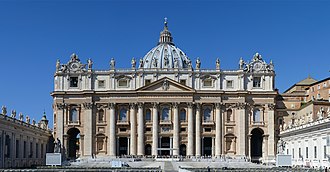
⛪Vatican City (St. Peter's Basilica)
The spiritual center of Roman Catholicism and home of the Pope.
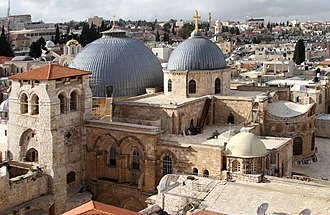
✝️Church of the Holy Sepulchre
The site where Jesus was crucified, buried, and resurrected.
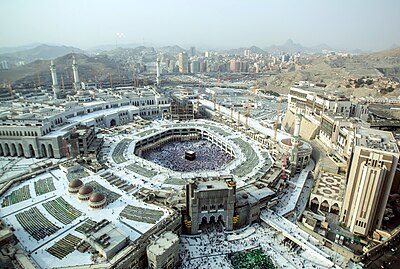
🕋Masjid al-Haram (Great Mosque of Mecca)
The holiest site in Islam, home of the Kaaba, and the destination for Hajj pilgrimage.
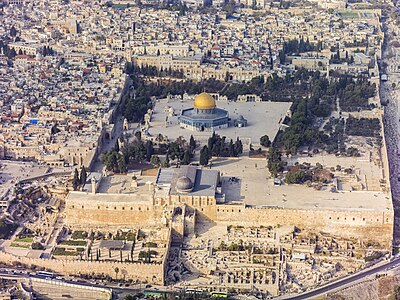
🕌Temple Mount / Al-Aqsa (Jerusalem)
Sacred to Judaism, Christianity, and Islam — the most contested holy site on Earth.

