⛪ Temple of Saint Sava (Belgrade)
Serbia
About This Sacred Site
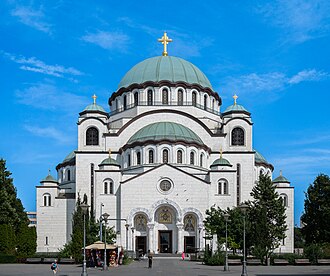
The Temple of Saint Sava in Belgrade stands as one of the world’s largest Orthodox churches, prominently located on the Vračar plateau where it is believed the relics of Saint Sava were burned by the Ottomans. Construction began in 1935, and after interruptions due to wars and political changes, the main structure was substantially completed by 2004. Its grand Byzantine Revival architecture features a massive central dome and extensive mosaics, symbolizing Serbian spiritual resilience and national pride.
Spiritual Significance
The Temple of Saint Sava in Belgrade, a monumental Orthodox church whose construction began in 1935 and was substantially completed in 2004, stands on the historic site where Ottoman Grand Vizier Sinan Pasha burned the relics of Saint Sava in 1595, symbolizing Serbian resilience. With a height of 79 meters to the cross atop its main dome, it is one of the largest Orthodox churches globally, accommodating thousands for liturgical services. The temple hosts the annual celebration of Saint Sava’s feast day on January 27, featuring the Divine Liturgy and processions that commemorate the founder of the Serbian Orthodox Church. Its richly decorated interior mosaics depict biblical scenes and Serbian saints, reflecting Eastern Orthodox iconographic traditions codified in the Triodion liturgical book. The church also serves as a focal point for national prayers and cultural gatherings, reinforcing Saint Sava’s role as a spiritual and national symbol. Pilgrims often participate in the sacrament of confession and receive blessings from clergy, affirming the temple’s status as a major pilgrimage destination in Serbia.
Key Facts
- •One of the largest Orthodox churches in the world, with a height of 79 meters to the top of the cross
- •Built on the spot where Ottoman Grand Vizier Sinan Pasha burned St. Sava's relics in 1595
- •Construction started in 1935 but the interior was not completed until the 2020s
- •The main dome mosaic of the Ascension of Christ covers over 1,200 square meters
- •The crypt church of St. Lazar was decorated by Russian and Serbian artists with gold mosaics
Location
Coordinates: 44.7981, 20.4686
Frequently Asked Questions
What religion is Temple of Saint Sava (Belgrade) associated with?▾
Temple of Saint Sava (Belgrade) is a Christianity holy site located in Serbia. It was established 1935 (substantially completed 2004) and is ranked #623 in our global directory of sacred sites.
When was Temple of Saint Sava (Belgrade) established?▾
Temple of Saint Sava (Belgrade) dates back to 1935 (substantially completed 2004). One of the largest Orthodox churches in the world, with a height of 79 meters to the top of the cross
How many people visit Temple of Saint Sava (Belgrade) each year?▾
Temple of Saint Sava (Belgrade) receives approximately 500,000 visitors per year. Built on the spot where Ottoman Grand Vizier Sinan Pasha burned St. Sava's relics in 1595
What is Temple of Saint Sava (Belgrade) known for?▾
One of the largest Orthodox churches in the world, built on the site where the Ottomans burned St. Sava's relics. Visitors come seeking blessings, pilgrimage, protection, spiritual enlightenment. Construction started in 1935 but the interior was not completed until the 2020s
Related Holy Sites
Sacred places connected by country, religion, and purpose
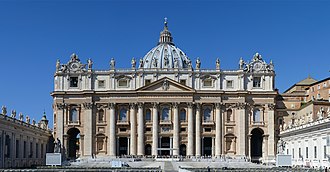
⛪Vatican City (St. Peter's Basilica)
The spiritual center of Roman Catholicism and home of the Pope.
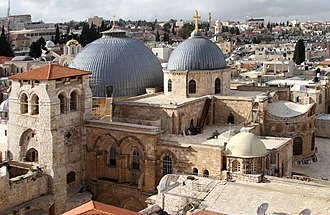
✝️Church of the Holy Sepulchre
The site where Jesus was crucified, buried, and resurrected.