
⛪ Sopoćani Monastery
Serbia
About This Sacred Site
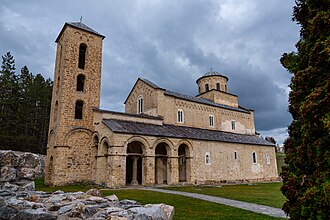
Sopoćani Monastery, founded circa 1260 by King Stefan Uroš I, is a Serbian Orthodox complex nestled in a secluded valley near the Raška River. It is renowned for its outstanding 13th-century frescoes that combine Byzantine artistic traditions with local influences, depicting biblical scenes with vivid color and emotional depth. The monastery’s harmonious architecture and serene setting underscore its historical role as a religious, cultural, and political center during medieval Serbia.
History & Origins
The Sopoćani Monastery was founded around 1260 by King Stefan Uroš I of Serbia, intended as his mausoleum and a symbol of the Nemanjić dynasty's power. Construction began under his reign and the church was consecrated in 1265. The monastery is located near the confluence of the Raška and Ibar rivers, taking advantage of the natural landscape for defense and isolation. The frescoes, completed circa 1265, were commissioned by King Stefan Uroš I and his wife Queen Helen, exemplifying the height of Serbian medieval art blending Byzantine influences. In the 14th century, the monastery suffered damage during the Ottoman incursions but was restored under Serbian despots in the late 14th and early 15th centuries. It functioned as a spiritual and cultural center until the 18th century when it declined due to wars and neglect. In the 20th century, significant restoration efforts began, culminating in its designation as a UNESCO World Heritage site in 1979 as part of the Stari Ras and Sopoćani ensemble. The monastery's architecture features a single-nave church with a dome, built in the Raška style, combining Byzantine and Romanesque elements, and its frescoes remain some of the finest examples of 13th-century European painting.
Spiritual Significance
The monastery serves as a significant pilgrimage site for Serbian Orthodox Christians, particularly during the feast of St. King Stefan Uroš I celebrated on September 24th according to the Julian calendar. Monastic liturgies follow the Byzantine rite, with the Divine Liturgy of St. John Chrysostom celebrated daily in its church. The frescoes depict scenes from the Old and New Testaments, including the Dormition of the Virgin and the Last Judgment, which are theological focal points during liturgical services. The monastery's relics, including the tomb of King Stefan Uroš I, attract pilgrims seeking intercession and blessings. Traditional prayers from the Serbian Orthodox Church's Euchologion are recited here, emphasizing the connection between the ruling dynasty and divine providence. The monastery also hosts annual processions and vigils commemorating medieval Serbian saints. Spiritual leaders from the Serbian Orthodox Church have historically used Sopoćani as a symbol of national unity and Orthodox identity, reinforcing its role in preserving Serbian religious traditions amid foreign rule.
Key Facts
- •Founded around 1260 by King Stefan Uroš I as his mausoleum
- •The frescoes (c. 1265) are considered among the greatest achievements of medieval European painting
- •The monastery lay roofless for centuries, yet the frescoes survived exposure to the elements
- •The Dormition of the Virgin scene is famous for its classical naturalism and emotional depth
- •Inscribed on the UNESCO World Heritage List in 1979 alongside the nearby Stari Ras ruins
Location
Coordinates: 43.1195, 20.3760
Frequently Asked Questions
What religion is Sopoćani Monastery associated with?▾
Sopoćani Monastery is a Christianity holy site located in Serbia. It was established c. 1260 and is ranked #523 in our global directory of sacred sites.
When was Sopoćani Monastery established?▾
Sopoćani Monastery dates back to c. 1260. Founded around 1260 by King Stefan Uroš I as his mausoleum
How many people visit Sopoćani Monastery each year?▾
Sopoćani Monastery receives approximately 50,000 visitors per year. The frescoes (c. 1265) are considered among the greatest achievements of medieval European painting
What is Sopoćani Monastery known for?▾
A 13th-century monastery with frescoes considered among the finest achievements of medieval European art. Visitors come seeking spiritual enlightenment, peace, ancestral connection, pilgrimage. The monastery lay roofless for centuries, yet the frescoes survived exposure to the elements
Related Holy Sites
Sacred places connected by country, religion, and purpose
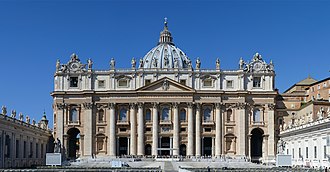
⛪Vatican City (St. Peter's Basilica)
The spiritual center of Roman Catholicism and home of the Pope.
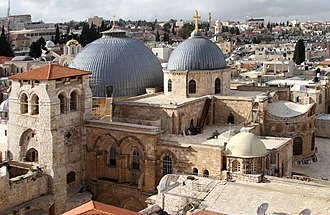
✝️Church of the Holy Sepulchre
The site where Jesus was crucified, buried, and resurrected.
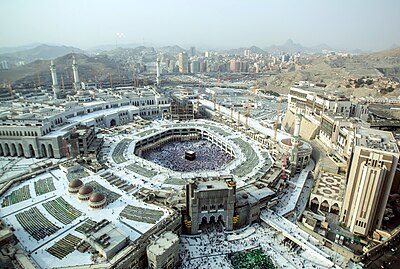
🕋Masjid al-Haram (Great Mosque of Mecca)
The holiest site in Islam, home of the Kaaba, and the destination for Hajj pilgrimage.
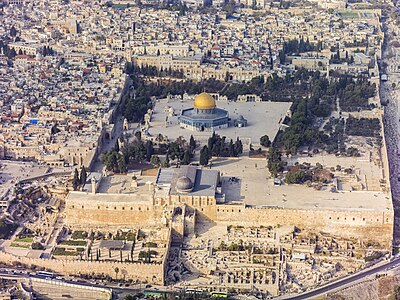
🕌Temple Mount / Al-Aqsa (Jerusalem)
Sacred to Judaism, Christianity, and Islam — the most contested holy site on Earth.

