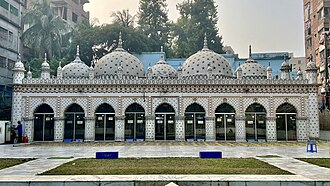
🕌 Star Mosque (Tara Masjid, Dhaka)
Bangladesh
About This Sacred Site
The Star Mosque (Tara Masjid) in the Armanitola area of Old Dhaka is one of Bangladesh's most visually striking mosques. Originally built in the early 18th century, the mosque was extensively renovated in the 19th century with beautiful star-patterned mosaic tiles imported from Japan and England. Its small size belies its architectural significance — every surface is covered with intricate star motifs in blue, white, and other colors. The mosque remains a functioning place of worship in the heart of one of Dhaka's oldest neighborhoods.
History & Origins
Constructed in the early 18th century during the Mughal era, the Star Mosque was originally commissioned by Mir Jumla II, a prominent Mughal governor of Bengal. The mosque underwent significant renovation in the late 19th century, notably the addition of Japanese and English star-patterned glazed tiles, which cover the mosque's interior and exterior surfaces, creating its distinctive appearance. The mosque's foundation aligns with Mughal architectural principles, featuring a flat roof supported by multiple columns and a rectangular prayer hall. It survived the British colonial period and was restored again in the 1980s to preserve its unique tilework and structural integrity. The mosque's location in Old Dhaka places it within a historically significant urban Islamic center, where it has served congregants continuously since its establishment. Its architectural and decorative elements reflect cross-cultural influences from East Asia and Europe during the 19th century, demonstrating Dhaka's role in regional trade and cultural exchange.
Spiritual Significance
The mosque functions as a vital site for daily prayers (Salah) and community gatherings, particularly during the Islamic month of Ramadan when nightly Tarawih prayers attract large congregations. The star motifs symbolically represent divine light and guidance, corresponding with Quranic verses emphasizing light as a metaphor for God's presence (Surah An-Nur 24:35). Devotees recite the Quran in the mosque's acoustically resonant prayer hall, designed to facilitate clear auditory transmission. The mosque's historical association with Mughal religious patronage situates it within the Hanafi jurisprudence tradition predominant in Bengal, guiding local Islamic practice. Its preservation enables ongoing spiritual engagement and serves as a locus for teaching Islamic theology and Sufi devotional practices. The mosque's aesthetic elements reinforce a theological narrative of celestial harmony, inspiring worshippers to contemplate God's omnipresence during ritual observances.
Key Facts
- •Originally built in the early 18th century in the Mughal period
- •Renovated with Japanese and English star-patterned tiles in the 19th century
- •Every surface is covered with intricate mosaic star motifs
- •Located in the historic Armanitola area of Old Dhaka
- •One of the most photographed mosques in Bangladesh
Location
Coordinates: 23.7104, 90.3988
Frequently Asked Questions
What religion is Star Mosque (Tara Masjid, Dhaka) associated with?▾
Star Mosque (Tara Masjid, Dhaka) is a Islam holy site located in Bangladesh. It was established c. early 1700s and is ranked #659 in our global directory of sacred sites.
When was Star Mosque (Tara Masjid, Dhaka) established?▾
Star Mosque (Tara Masjid, Dhaka) dates back to c. early 1700s. Originally built in the early 18th century in the Mughal period
How many people visit Star Mosque (Tara Masjid, Dhaka) each year?▾
Star Mosque (Tara Masjid, Dhaka) receives approximately 200,000+ visitors per year. Renovated with Japanese and English star-patterned tiles in the 19th century
What is Star Mosque (Tara Masjid, Dhaka) known for?▾
A stunningly decorated Mughal-era mosque in Old Dhaka, adorned with blue star-patterned tiles. Visitors come seeking blessings, peace, pilgrimage, guidance. Every surface is covered with intricate mosaic star motifs
Related Holy Sites
Sacred places connected by country, religion, and purpose
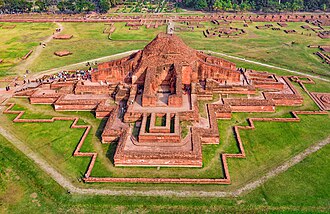
☸️Somapura Mahavihara (Paharpur)
A UNESCO-listed 8th-century Buddhist monastery, one of the largest in the Indian subcontinent.
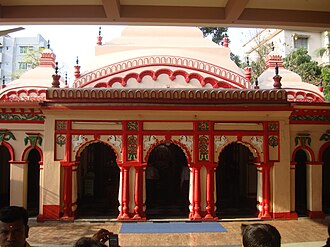
🙏Dhakeshwari Temple (Dhaka)
The national temple of Bangladesh, dedicated to the goddess Dhakeshwari, protector of Dhaka.