⛪ St. Vitus Cathedral (Prague)
Czech Republic
About This Sacred Site
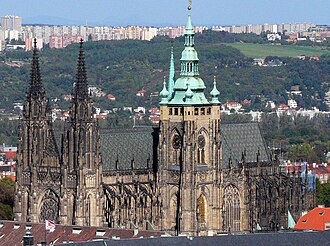
St. Vitus Cathedral, situated within Prague Castle, is the largest and most significant church in the Czech Republic. Construction began in 1344 under Emperor Charles IV and continued intermittently over nearly six centuries. The cathedral exhibits Gothic architecture with stunning stained glass, intricate stone carvings, and the tombs of Bohemian kings and saints. It serves as the seat of the Archbishop of Prague and is a national symbol of Czech statehood, faith, and cultural heritage.
Spiritual Significance
Construction spanned nearly 600 years, from 1344 to 1929, reflecting evolving Gothic and Art Nouveau styles that embody the persistence of Christian worship in Bohemia. The cathedral safeguards the Bohemian Crown Jewels in a chamber secured by seven locks, symbolizing both royal and divine authority. It is the site of coronations of Bohemian kings, reinforcing its role in intertwining monarchy with Christian legitimacy. Art Nouveau stained-glass windows designed by Alphonse Mucha, completed in the early 20th century, depict scenes from the life of Saint Wenceslaus, the nation’s patron saint, fostering veneration and national pride. Annual pilgrimages occur on Saint Wenceslaus Day, October 28, with special liturgies drawing thousands. The cathedral houses relics of Saint John of Nepomuk, whose martyrdom underlines themes of confession and loyalty to the Church, celebrated on May 16. The Gothic architecture, including its high vaulted ceilings and intricate chapels, supports the Roman Catholic liturgical calendar, with solemn masses held during Christmas and Easter. Its location within Prague Castle signifies the unity of Church and state in Czech history.
Key Facts
- •Construction took nearly 600 years, from 1344 to 1929
- •Houses the Bohemian Crown Jewels in a chamber with seven locks
- •Contains Art Nouveau stained-glass windows designed by Alfons Mucha
- •The tomb of 'Good King Wenceslas' (St. Wenceslas) is in a richly decorated chapel
- •The Great South Tower rises 96.5 meters and offers panoramic views of Prague
Location
Coordinates: 50.0909, 14.4005
Frequently Asked Questions
What religion is St. Vitus Cathedral (Prague) associated with?▾
St. Vitus Cathedral (Prague) is a Christianity holy site located in Czech Republic. It was established 1344 and is ranked #356 in our global directory of sacred sites.
When was St. Vitus Cathedral (Prague) established?▾
St. Vitus Cathedral (Prague) dates back to 1344. Construction took nearly 600 years, from 1344 to 1929
How many people visit St. Vitus Cathedral (Prague) each year?▾
St. Vitus Cathedral (Prague) receives approximately 2 million visitors per year. Houses the Bohemian Crown Jewels in a chamber with seven locks
What is St. Vitus Cathedral (Prague) known for?▾
Prague Castle's magnificent Gothic cathedral, coronation church of Bohemian kings. Visitors come seeking blessings, pilgrimage, guidance, spiritual enlightenment. Contains Art Nouveau stained-glass windows designed by Alfons Mucha
Related Holy Sites
Sacred places connected by country, religion, and purpose
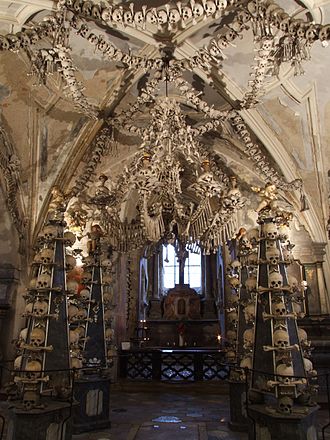
💀Sedlec Ossuary (Bone Church)
A small chapel near Kutná Hora decorated with the bones of an estimated 40,000 people.
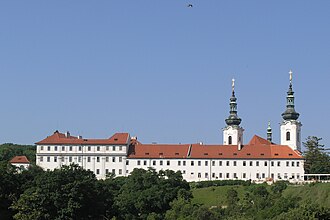
⛪Strahov Monastery (Prague)
A Premonstratensian monastery above Prague renowned for its spectacular Baroque libraries.
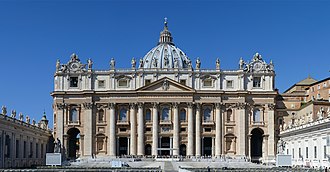
⛪Vatican City (St. Peter's Basilica)
The spiritual center of Roman Catholicism and home of the Pope.
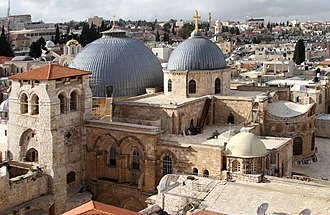
✝️Church of the Holy Sepulchre
The site where Jesus was crucified, buried, and resurrected.