⛪ St. Stephen's Cathedral (Vienna)
Austria
About This Sacred Site
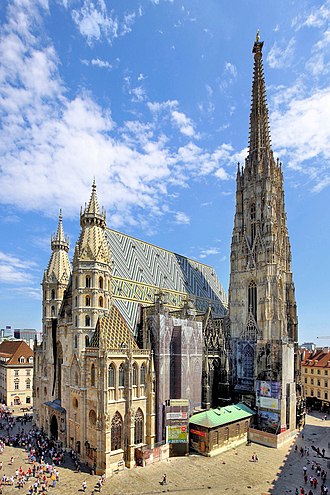
St. Stephen's Cathedral (Stephansdom) in Vienna stands as a Gothic masterpiece and the seat of the Archbishop of Vienna since its origins in 1160, with the current structure dating from 1304. Its soaring south tower, reaching 136 meters, dominates Vienna's skyline. The cathedral's intricate stonework, colorful tiled roof, and catacombs beneath reveal centuries of religious, cultural, and political history. It has witnessed royal ceremonies, significant events, and survived wartime damage, symbolizing Vienna's spiritual and architectural heritage.
Spiritual Significance
The South Tower, standing 136 meters tall and completed over 65 years from 1368 to 1433, serves as a prominent symbol for the Catholic Archdiocese of Vienna. The cathedral hosts the annual St. Stephen’s Day Mass on December 26, celebrating the first Christian martyr, with liturgies following the Roman Missal codified after the Council of Trent. The roof, adorned with 230,000 glazed tiles forming the Habsburg coat of arms, symbolizes the historical alliance between the Church and the Austrian monarchy. The cathedral preserves the confessional where Mozart, who was married and buried there, received penance, linking musical heritage with spiritual practice. Pilgrims ascend the South Tower stairs as an act of devotion, and the cathedral’s crypt houses relics of saints, reinforcing its role as a site of veneration and prayer.
Key Facts
- •The South Tower stands 136 meters tall and took 65 years to complete (1368–1433)
- •The roof is covered with 230,000 glazed tiles depicting the Habsburg coat of arms
- •Mozart's wedding and funeral Mass were both held in the cathedral
- •The Pummerin bell, Austria's largest, was recast from a captured Ottoman cannon
- •Catacombs beneath the cathedral hold the remains of over 10,000 Viennese residents
Location
Coordinates: 48.2082, 16.3738
Frequently Asked Questions
What religion is St. Stephen's Cathedral (Vienna) associated with?▾
St. Stephen's Cathedral (Vienna) is a Christianity holy site located in Austria. It was established 1160 (current structure from 1304) and is ranked #282 in our global directory of sacred sites.
When was St. Stephen's Cathedral (Vienna) established?▾
St. Stephen's Cathedral (Vienna) dates back to 1160 (current structure from 1304). The South Tower stands 136 meters tall and took 65 years to complete (1368–1433)
How many people visit St. Stephen's Cathedral (Vienna) each year?▾
St. Stephen's Cathedral (Vienna) receives approximately 3 million visitors per year. The roof is covered with 230,000 glazed tiles depicting the Habsburg coat of arms
What is St. Stephen's Cathedral (Vienna) known for?▾
Vienna's iconic Gothic cathedral with its mosaic roof, the spiritual heart of Austria. Visitors come seeking blessings, guidance, protection, pilgrimage. Mozart's wedding and funeral Mass were both held in the cathedral
Related Holy Sites
Sacred places connected by country, religion, and purpose
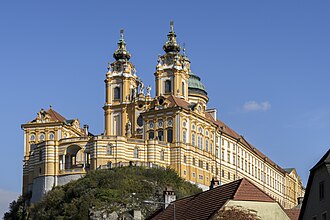
⛪Melk Abbey
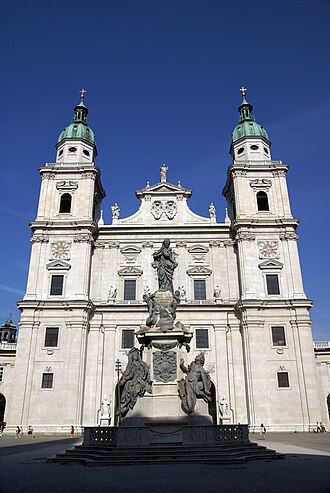
A grand Baroque Benedictine abbey perched above the Danube in the Wachau Valley.
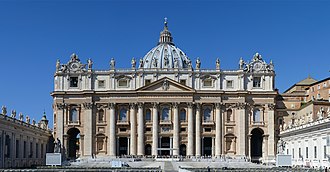
⛪Vatican City (St. Peter's Basilica)
The spiritual center of Roman Catholicism and home of the Pope.
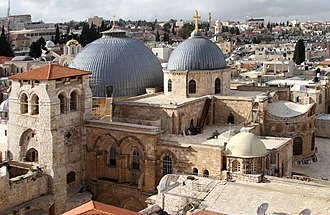
✝️Church of the Holy Sepulchre
The site where Jesus was crucified, buried, and resurrected.