
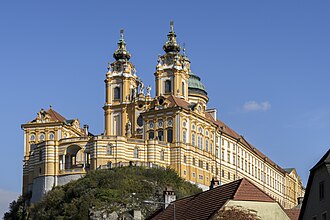
⛪ Melk Abbey
Austria
About This Sacred Site
Melk Abbey, founded in 1089, is a monumental Benedictine monastery perched on a rocky hill overlooking the Danube River in Austria's Wachau Valley. It evolved from a medieval castle into a Baroque masterpiece during the early 18th century under architect Jakob Prandtauer. The abbey houses an extensive library with medieval manuscripts, a magnificent church adorned with frescoes by Johann Michael Rottmayr, and a vibrant monastic community. Its location and grandeur make Melk Abbey a symbol of spiritual and cultural influence in Central Europe.
History & Origins
Founded in 1089 when Leopold II, Margrave of Austria, granted the castle to Benedictine monks, the abbey underwent significant Baroque reconstruction between 1702 and 1736 under architect Jakob Prandtauer. The abbey was a center of learning during the Middle Ages, surviving multiple conflicts including the Napoleonic Wars. The library, rebuilt under Abbot Berthold Dietmayr in the 18th century, now contains over 100,000 volumes, including 1,888 medieval manuscripts. The abbey church's frescoes, completed by Johann Michael Rottmayr, represent a key artistic achievement of the Austrian Baroque. Melk Abbey remains operational, continuing its educational mission through the Melk Abbey School established in the 19th century.
Spiritual Significance
The abbey regularly hosts the celebration of the Divine Office based on the Rule of St. Benedict, emphasizing prayer and work (ora et labora). The annual Feast of St. Benedict on July 11 is marked by processions and special masses that draw pilgrims from across Austria. The abbey’s library, containing illuminated manuscripts of biblical texts, serves as a site for theological study and scriptural meditation. Monastic chanting in the abbey church follows Gregorian traditions, fostering communal worship. Pilgrims often engage in guided tours that highlight relics of saints and the theological symbolism embedded in the church’s frescoes, reinforcing its role as a spiritual center of the Benedictine order.
Key Facts
- •The current Baroque structure was built between 1702 and 1736 by architect Jakob Prandtauer
- •The abbey library holds over 100,000 volumes including 1,888 manuscripts
- •Inspired the fictional monastery in Umberto Eco's novel The Name of the Rose
- •The abbey church's frescoes by Johann Michael Rottmayr create the illusion of an open sky
- •Part of the UNESCO World Heritage Wachau Cultural Landscape
Location
Coordinates: 48.2277, 15.3320
Frequently Asked Questions
What religion is Melk Abbey associated with?▾
Melk Abbey is a Christianity holy site located in Austria. It was established 1089 and is ranked #284 in our global directory of sacred sites.
When was Melk Abbey established?▾
Melk Abbey dates back to 1089. The current Baroque structure was built between 1702 and 1736 by architect Jakob Prandtauer
How many people visit Melk Abbey each year?▾
Melk Abbey receives approximately 500,000 visitors per year. The abbey library holds over 100,000 volumes including 1,888 manuscripts
What is Melk Abbey known for?▾
A grand Baroque Benedictine abbey perched above the Danube in the Wachau Valley. Visitors come seeking spiritual enlightenment, guidance, blessings, peace. Inspired the fictional monastery in Umberto Eco's novel The Name of the Rose
Related Holy Sites
Sacred places connected by country, religion, and purpose
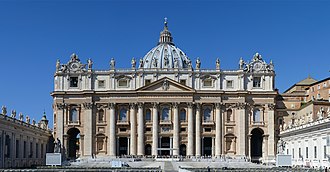
⛪Vatican City (St. Peter's Basilica)
The spiritual center of Roman Catholicism and home of the Pope.
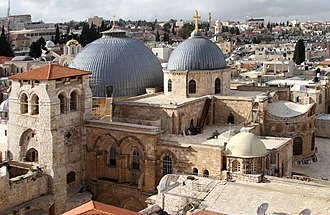
✝️Church of the Holy Sepulchre
The site where Jesus was crucified, buried, and resurrected.
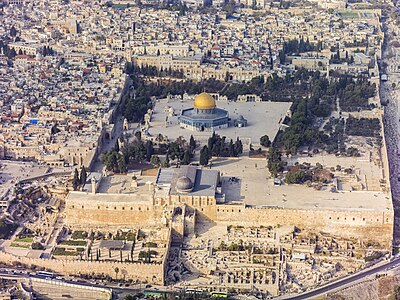
🕌Temple Mount / Al-Aqsa (Jerusalem)
Sacred to Judaism, Christianity, and Islam — the most contested holy site on Earth.
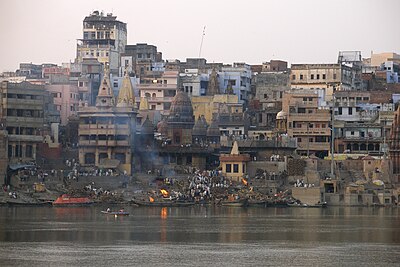
🙏Varanasi (Kashi Vishwanath Temple)
The holiest city in Hinduism, where the Ganges River purifies the soul.

