
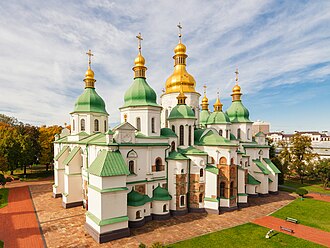
⛪ Saint Sophia Cathedral (Kyiv)
Ukraine
About This Sacred Site
Saint Sophia Cathedral in Kyiv, commissioned by Grand Prince Yaroslav the Wise in 1037, stands as a masterpiece of Kyivan Rus’ architecture and art. Its interior features exquisite mosaics and frescoes blending Byzantine and local styles. The cathedral served as a political and religious hub, hosting coronations and synods, and remains a symbol of Ukrainian cultural and spiritual heritage. Its distinctive multiple domes and historic significance have earned it UNESCO World Heritage status.
History & Origins
Saint Sophia Cathedral in Kyiv was constructed in 1037 by Grand Prince Yaroslav the Wise to commemorate his military victory over the Pechenegs, marking the consolidation of Kyivan Rus' power. The cathedral was built on the site of former wooden churches, featuring a cruciform plan with thirteen domes symbolizing Christ and the twelve apostles. Byzantine architects and artisans contributed to the complex, which includes a bell tower and refectory added in the 17th century. The interior contains some of the best-preserved 11th-century mosaics and frescoes in the world, including a famous depiction of the Virgin Orans and portraits of Yaroslav’s family. Throughout the centuries, the cathedral underwent renovations under Lithuanian, Polish, and Russian rule, notably in the 18th century when Baroque elements were introduced. It served as the metropolitan cathedral of Kyivan Rus and the seat of the Orthodox Church in the region until the 17th century. During Soviet times, it was secularized and converted into a museum but retained its religious significance, leading to its designation as a UNESCO World Heritage site in 1990. The complex includes a library founded by Yaroslav the Wise, reflecting its role as a cultural and religious center.
Spiritual Significance
The cathedral remains a national symbol of Ukrainian Orthodox Christianity, hosting major liturgical celebrations such as the feast of Saint Sophia on May 25th according to the Julian calendar. It preserves original Byzantine liturgical art, including mosaics illustrating biblical scenes from the Book of Revelation and Psalms, which inform worship and theological reflection. Pilgrims venerate the iconostasis and the crypts beneath the cathedral where several Kyiv metropolitans are buried. The cathedral’s spiritual importance is linked to Yaroslav the Wise’s codification of church law and promotion of Christianity, making it a site of ecclesiastical authority. Annual processions commemorate the Christianization of Kyivan Rus in 988, emphasizing the cathedral’s role in spreading Eastern Orthodox doctrine. Theologically, it embodies the Byzantine synthesis of imperial and ecclesial power, with inscriptions and frescoes referencing the Nicene Creed and Christological doctrines central to Eastern Orthodoxy. Monastic communities historically used the cathedral for clerical education, and it remains a pilgrimage site for those seeking to connect with the origins of Slavic Christianity.
Key Facts
- •Built in 1037 by Yaroslav the Wise to commemorate a victory over the Pechenegs
- •Contains some of the best-preserved 11th-century Byzantine mosaics outside Constantinople
- •The Orans Virgin Mary mosaic in the main apse is 6 meters tall
- •Named after the Hagia Sophia in Constantinople (and means 'Holy Wisdom')
- •Inscribed as a UNESCO World Heritage Site in 1990
Location
Coordinates: 50.4529, 30.5143
Frequently Asked Questions
What religion is Saint Sophia Cathedral (Kyiv) associated with?▾
Saint Sophia Cathedral (Kyiv) is a Christianity holy site located in Ukraine. It was established 1037 and is ranked #256 in our global directory of sacred sites.
When was Saint Sophia Cathedral (Kyiv) established?▾
Saint Sophia Cathedral (Kyiv) dates back to 1037. Built in 1037 by Yaroslav the Wise to commemorate a victory over the Pechenegs
How many people visit Saint Sophia Cathedral (Kyiv) each year?▾
Saint Sophia Cathedral (Kyiv) receives approximately 700,000 visitors per year. Contains some of the best-preserved 11th-century Byzantine mosaics outside Constantinople
What is Saint Sophia Cathedral (Kyiv) known for?▾
An 11th-century cathedral with Byzantine mosaics, the spiritual birthplace of Kyivan Christianity. Visitors come seeking spiritual enlightenment, guidance, blessings, pilgrimage. The Orans Virgin Mary mosaic in the main apse is 6 meters tall
Related Holy Sites
Sacred places connected by country, religion, and purpose
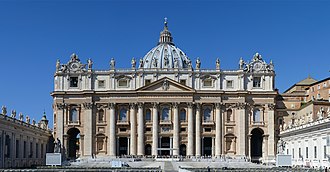
⛪Vatican City (St. Peter's Basilica)
The spiritual center of Roman Catholicism and home of the Pope.
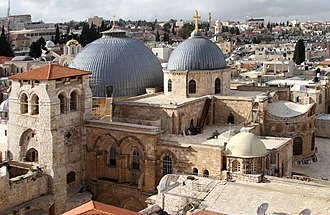
✝️Church of the Holy Sepulchre
The site where Jesus was crucified, buried, and resurrected.
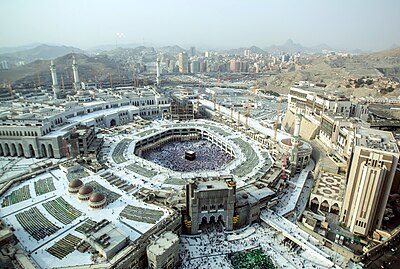
🕋Masjid al-Haram (Great Mosque of Mecca)
The holiest site in Islam, home of the Kaaba, and the destination for Hajj pilgrimage.
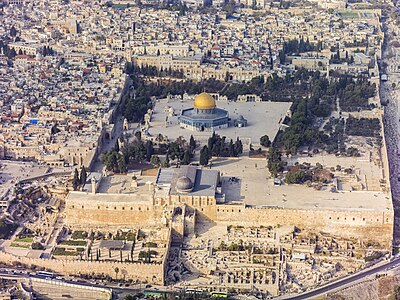
🕌Temple Mount / Al-Aqsa (Jerusalem)
Sacred to Judaism, Christianity, and Islam — the most contested holy site on Earth.

