⛪ Historic Churches of Lviv
Ukraine
About This Sacred Site
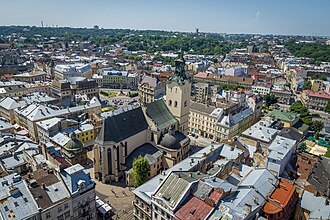
Lviv's UNESCO-listed historic center contains a remarkable concentration of churches from multiple Christian traditions built over six centuries. The Armenian Cathedral (14th century), the Latin Cathedral (14th century), the Dominican Church (18th century), St. George's Cathedral (Greek Catholic, 18th century), and the Church of the Assumption (Orthodox, 16th century) together form one of the most diverse sacred landscapes in Eastern Europe, reflecting the city's history as a crossroads of cultures.
History & Origins
The Historic Churches of Lviv encompass several significant Christian sites dating back to the 14th century, reflecting the city’s diverse religious heritage. The Armenian Cathedral, built in 1363 by the Armenian community of Lviv, is one of the oldest Armenian churches outside Armenia, featuring a distinctive blend of Gothic and Armenian architectural elements. It underwent major renovations in the 17th century, incorporating Baroque interior decorations while preserving its original stone façade. St. George's Cathedral, constructed between 1744 and 1770, serves as the mother church of the Ukrainian Greek Catholic Church and was designed by architect Bernard Meretyn in the Baroque style with Rococo influences. The cathedral was a focal point for the Union of Brest in 1596, which united some Orthodox Christians with the Catholic Church under the Pope’s authority. These churches have survived multiple political regimes, including Austro-Hungarian, Polish, Soviet, and Ukrainian sovereignty, each leaving architectural and cultural imprints. The complex is protected as a national heritage site, with ongoing restorations to preserve frescoes, iconostases, and ornate woodwork from the medieval and early modern periods.
Spiritual Significance
The Armenian Cathedral hosts annual celebrations of Saint Gregory the Illuminator on May 20th, reflecting the Armenian Apostolic Church’s ancient liturgical traditions, including the use of the Armenian Liturgy of Saint John Chrysostom. Pilgrims honor relics of Armenian saints and participate in processions featuring traditional Armenian hymns. St. George's Cathedral is the principal site for the Ukrainian Greek Catholic Church’s liturgical life, celebrating the Divine Liturgy according to the Byzantine rite with Ukrainian linguistic and musical adaptations. The cathedral is central to the feast of the Exaltation of the Holy Cross on September 14th, involving elaborate services and veneration of relics. Both churches emphasize the theology of ecclesial unity and the role of the cross in salvation, reflecting the complex interplay of Eastern and Western Christian traditions in Lviv. Spiritual leaders such as Metropolitan Andrey Sheptytsky have used these sites to foster Ukrainian national consciousness and religious identity. Pilgrims engage in frequent confession, participation in the Eucharist, and communal prayer, underscoring the churches’ roles as living centers of faith and cultural continuity.
Key Facts
- •The Armenian Cathedral (1363) is one of the oldest Armenian churches outside Armenia
- •St. George's Cathedral (1744–1770) serves as the mother church of the Ukrainian Greek Catholic Church
- •The Latin Cathedral (1360–1479) blends Gothic and Renaissance styles
- •Lviv's historic center, including its churches, became a UNESCO World Heritage Site in 1998
- •The city was historically home to Armenian, Jewish, Polish, Ukrainian, and German communities
Location
Coordinates: 49.8397, 24.0297
Frequently Asked Questions
What religion is Historic Churches of Lviv associated with?▾
Historic Churches of Lviv is a Christianity holy site located in Ukraine. It was established 14th century and is ranked #73 in our global directory of sacred sites.
When was Historic Churches of Lviv established?▾
Historic Churches of Lviv dates back to 14th century. The Armenian Cathedral (1363) is one of the oldest Armenian churches outside Armenia
How many people visit Historic Churches of Lviv each year?▾
Historic Churches of Lviv receives approximately 2 million visitors per year. St. George's Cathedral (1744–1770) serves as the mother church of the Ukrainian Greek Catholic Church
What is Historic Churches of Lviv known for?▾
A multi-denominational ensemble of Armenian, Greek Catholic, Roman Catholic, and Orthodox churches in Lviv's old town. Visitors come seeking blessings, guidance, spiritual enlightenment, pilgrimage. The Latin Cathedral (1360–1479) blends Gothic and Renaissance styles
Related Holy Sites
Sacred places connected by country, religion, and purpose
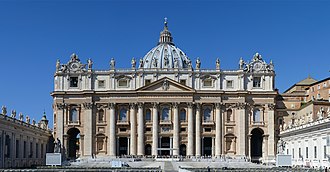
⛪Vatican City (St. Peter's Basilica)
The spiritual center of Roman Catholicism and home of the Pope.
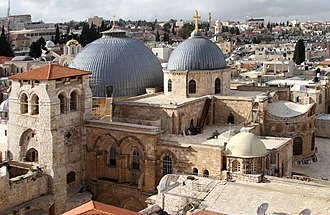
✝️Church of the Holy Sepulchre
The site where Jesus was crucified, buried, and resurrected.