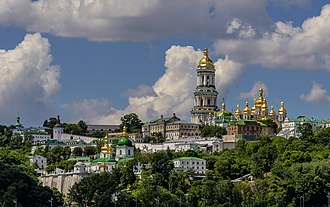
⛪ Kyiv Pechersk Lavra (Monastery of the Caves)
Ukraine
About This Sacred Site
Kyiv Pechersk Lavra, founded in 1051, is a historic Orthodox Christian monastery sprawling across hills above the Dnieper River in Ukraine. Known as the Monastery of the Caves, it features extensive underground cave complexes housing relics of saints, alongside magnificent churches and bell towers. The Lavra has been a major religious, cultural, and educational center throughout Eastern Slavic history, preserving centuries of Orthodox tradition and serving as a pilgrimage destination.
History & Origins
The origins of Kyiv Pechersk Lavra (Monastery of the Caves) date to approximately 1051, making it a medieval foundation that has endured through centuries of upheaval and renewal. Founded in 1051 as a cave monastery and grew into a vast lavra (senior monastery). The Great Lavra Bell Tower stands 96.5 meters and was the tallest structure in Kyiv for centuries. Inscribed as a UNESCO World Heritage Site in 1990. The monastery's printing house, established in 1616, was one of the most important in the Orthodox world. The traditions maintained here connect contemporary Christian travelers to an unbroken chain of worship stretching back to 1051.
Spiritual Significance
Kyiv Pechersk Lavra is a cornerstone of Eastern Orthodox monasticism in Ukraine, established in 1051 by monks Anthony and Theodosius, who pioneered ascetic cave dwelling. The cave network, containing the mummified remains of over 120 saints including revered figures like Saint Anthony, serves as a pilgrimage destination where devotees seek healing and spiritual intercession. The lavra’s liturgical calendar is marked by the annual celebration of the Feast of the Holy Dormition of the Theotokos on August 28th Julian calendar, drawing thousands of pilgrims. Monastic services follow the Byzantine rite, with the chanting of the Psalter and the Jesus Prayer central to daily worship. The lavra houses numerous relics and icons, including the revered icon of the Virgin of the Caves, believed to grant miracles. Theological teachings emphasize hesychasm, a mystical tradition of inner stillness and prayer, propagated historically by monks residing in the caves. Pilgrims participate in ritual processions through the subterranean corridors and venerate the relics, reflecting a tradition dating back to the lavra’s founding. The site also functions as a spiritual center for the Ukrainian Orthodox Church, hosting synods and theological seminars that link modern practice to early Kyivan Rus’ Christianity.
Key Facts
- •Founded in 1051 as a cave monastery and grew into a vast lavra (senior monastery)
- •The cave network contains the mummified remains of over 120 monks venerated as saints
- •The Great Lavra Bell Tower stands 96.5 meters and was the tallest structure in Kyiv for centuries
- •Inscribed as a UNESCO World Heritage Site in 1990
- •The monastery's printing house, established in 1616, was one of the most important in the Orthodox world
Location
Coordinates: 50.4346, 30.5573
Frequently Asked Questions
What religion is Kyiv Pechersk Lavra (Monastery of the Caves) associated with?▾
Kyiv Pechersk Lavra (Monastery of the Caves) is a Christianity holy site located in Ukraine. It was established 1051 and is ranked #212 in our global directory of sacred sites.
When was Kyiv Pechersk Lavra (Monastery of the Caves) established?▾
Kyiv Pechersk Lavra (Monastery of the Caves) dates back to 1051. Founded in 1051 as a cave monastery and grew into a vast lavra (senior monastery)
How many people visit Kyiv Pechersk Lavra (Monastery of the Caves) each year?▾
Kyiv Pechersk Lavra (Monastery of the Caves) receives approximately 1.5 million visitors per year. The cave network contains the mummified remains of over 120 monks venerated as saints
What is Kyiv Pechersk Lavra (Monastery of the Caves) known for?▾
The holiest site in Ukrainian Orthodoxy, famous for its underground cave system holding the mummified remains of monks. Visitors come seeking pilgrimage, healing, spiritual enlightenment, blessings. The Great Lavra Bell Tower stands 96.5 meters and was the tallest structure in Kyiv for centuries
Related Holy Sites
Sacred places connected by country, religion, and purpose
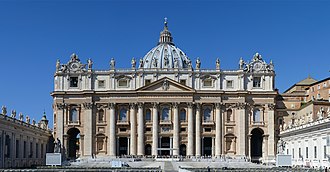
⛪Vatican City (St. Peter's Basilica)
The spiritual center of Roman Catholicism and home of the Pope.
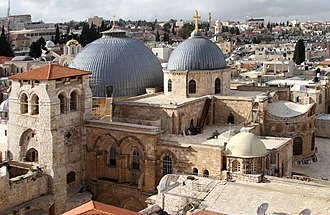
✝️Church of the Holy Sepulchre
The site where Jesus was crucified, buried, and resurrected.