⛪ Pilgrimage Church of St. John of Nepomuk at Zelená Hora
Czech Republic
About This Sacred Site
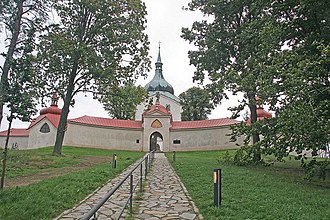
The Pilgrimage Church of St. John of Nepomuk at Zelená Hora, near Žďár nad Sázavou, is an extraordinary example of Baroque Gothic architecture, completed in 1722. Designed by architect Jan Blažej Santini-Aichel, the church uniquely integrates symbolism related to St. John of Nepomuk, including the number five representing his martyrdom by drowning. Its star-shaped ground plan and intertwining architectural elements create a mystical spatial experience, reflecting both Gothic verticality and Baroque dynamism. This site remains a significant pilgrimage destination in the Czech Republic.
Spiritual Significance
Designed by Jan Blažej Santini-Aichel between 1719 and 1722, the church's unique Baroque-Gothic architecture embodies the martyrdom of St. John of Nepomuk, whose legend includes five stars appearing above his body, represented in the building's five-pointed star floor plan. Pilgrims traditionally visit on May 16, the feast day of St. John of Nepomuk, to honor his role as a protector against floods and slander. The church's symbolism aligns with Catholic teachings on confession and martyrdom, reflecting the saint’s refusal to divulge the queen’s confessional secrets under duress during the reign of King Wenceslaus IV. Devotees often engage in prayer recitations based on the Acts of the Apostles, emphasizing sacrifice and forgiveness. The interior's spatial arrangement facilitates processions and veneration rituals, reinforcing the saint’s theological significance in Bohemian Catholicism.
Key Facts
- •Designed by Jan Blažej Santini-Aichel in a unique Baroque-Gothic style (1719–1722)
- •The five-pointed star plan references the legend of five stars around the martyred saint
- •St. John of Nepomuk was drowned in the Vltava River in 1393 on the king's orders
- •Inscribed as a UNESCO World Heritage Site in 1994
- •The surrounding cloister and cemetery are also laid out in star-shaped geometry
Location
Coordinates: 49.5781, 15.9605
Frequently Asked Questions
What religion is Pilgrimage Church of St. John of Nepomuk at Zelená Hora associated with?▾
Pilgrimage Church of St. John of Nepomuk at Zelená Hora is a Christianity holy site located in Czech Republic. It was established 1722 and is ranked #569 in our global directory of sacred sites.
When was Pilgrimage Church of St. John of Nepomuk at Zelená Hora established?▾
Pilgrimage Church of St. John of Nepomuk at Zelená Hora dates back to 1722. Designed by Jan Blažej Santini-Aichel in a unique Baroque-Gothic style (1719–1722)
How many people visit Pilgrimage Church of St. John of Nepomuk at Zelená Hora each year?▾
Pilgrimage Church of St. John of Nepomuk at Zelená Hora receives approximately 100,000 visitors per year. The five-pointed star plan references the legend of five stars around the martyred saint
What is Pilgrimage Church of St. John of Nepomuk at Zelená Hora known for?▾
A unique star-shaped Baroque pilgrimage church designed by Jan Blažej Santini-Aichel. Visitors come seeking pilgrimage, blessings, guidance, protection. St. John of Nepomuk was drowned in the Vltava River in 1393 on the king's orders
Related Holy Sites
Sacred places connected by country, religion, and purpose
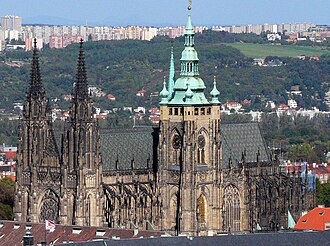
⛪St. Vitus Cathedral (Prague)
Prague Castle's magnificent Gothic cathedral, coronation church of Bohemian kings.
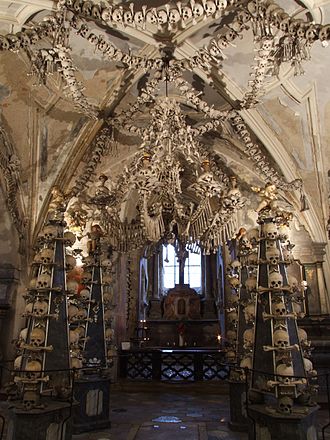
💀Sedlec Ossuary (Bone Church)
A small chapel near Kutná Hora decorated with the bones of an estimated 40,000 people.
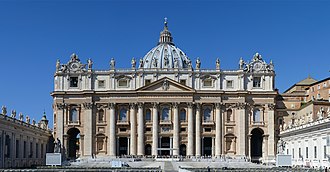
⛪Vatican City (St. Peter's Basilica)
The spiritual center of Roman Catholicism and home of the Pope.
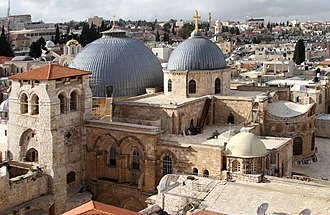
✝️Church of the Holy Sepulchre
The site where Jesus was crucified, buried, and resurrected.