
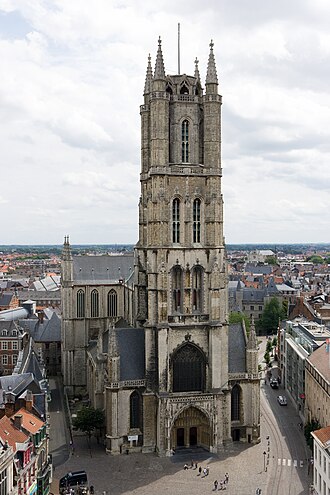
⛪ Saint Bavo's Cathedral (Ghent)
Belgium
About This Sacred Site
Saint Bavo's Cathedral (Sint-Baafskathedraal) in Ghent, Belgium, is renowned for housing the Ghent Altarpiece, "The Adoration of the Mystic Lamb," completed by Hubert and Jan van Eyck in 1432. Originally founded in 942, the current Gothic structure was built from the 14th to 16th centuries. The cathedral features a mix of Romanesque and Gothic elements, with an ornate interior boasting frescoes, sculptures, and a famous 17th-century Baroque organ. It remains a central place of worship and art heritage in Flanders.
History & Origins
Saint Bavo's Cathedral in Ghent traces its origins to 942 when a chapel was first established on the site, with the current Gothic structure constructed primarily between the 14th and 16th centuries. The cathedral underwent major renovations in the 19th century under architect Pierre Bruno Bourla, including restoration of its towers and the facade. It houses the Ghent Altarpiece, completed in 1432 by the Van Eyck brothers, which is considered a masterpiece of Northern Renaissance art. The altarpiece has been stolen seven times, most notably during World War II, reflecting its immense cultural and historical value. The cathedral's bell tower, standing at 89 meters, was added in the 15th century and remains a prominent feature. Saint Bavo's serves as the seat of the Diocese of Ghent and continues to function as an active place of worship.
Spiritual Significance
The Ghent Altarpiece, central to the cathedral’s spiritual significance, depicts complex Christian iconography including the Adoration of the Mystic Lamb, symbolizing Christ’s sacrifice as narrated in the Book of Revelation (Chapter 5). The cathedral hosts the annual Feast of Saint Bavo on October 1st, featuring liturgical celebrations and veneration of the saint who was the first abbot of the local monastery. Pilgrims visit to meditate before the altarpiece, and the cathedral maintains traditional Roman Catholic liturgies including the Mass and the Liturgy of the Hours in Latin and Flemish. The frequent restoration and protection of the altarpiece underscore its role in devotional practices and theological education. Confession and Eucharistic adoration are regularly offered, continuing the cathedral’s centuries-old role as a spiritual center in the region.
Key Facts
- •Houses the Ghent Altarpiece (1432) by the Van Eyck brothers — one of the most important artworks in history
- •The altarpiece has been the most stolen artwork in the world, taken seven times
- •Emperor Charles V, ruler of the Holy Roman Empire, was baptized in the cathedral in 1500
- •The Romanesque crypt dates to the 12th century
- •Also houses Rubens' painting The Conversion of Saint Bavo
Location
Coordinates: 51.0533, 3.7271
Frequently Asked Questions
What religion is Saint Bavo's Cathedral (Ghent) associated with?▾
Saint Bavo's Cathedral (Ghent) is a Christianity holy site located in Belgium. It was established 942 (current Gothic structure 14th–16th century) and is ranked #576 in our global directory of sacred sites.
When was Saint Bavo's Cathedral (Ghent) established?▾
Saint Bavo's Cathedral (Ghent) dates back to 942 (current Gothic structure 14th–16th century). Houses the Ghent Altarpiece (1432) by the Van Eyck brothers — one of the most important artworks in history
How many people visit Saint Bavo's Cathedral (Ghent) each year?▾
Saint Bavo's Cathedral (Ghent) receives approximately 500,000 visitors per year. The altarpiece has been the most stolen artwork in the world, taken seven times
What is Saint Bavo's Cathedral (Ghent) known for?▾
Ghent's principal church, home to the Ghent Altarpiece — one of the most important paintings in Western art. Visitors come seeking spiritual enlightenment, blessings, guidance, pilgrimage. Emperor Charles V, ruler of the Holy Roman Empire, was baptized in the cathedral in 1500
Related Holy Sites
Sacred places connected by country, religion, and purpose
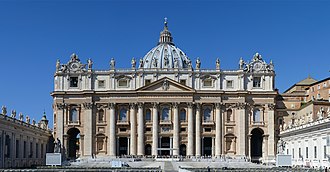
⛪Vatican City (St. Peter's Basilica)
The spiritual center of Roman Catholicism and home of the Pope.
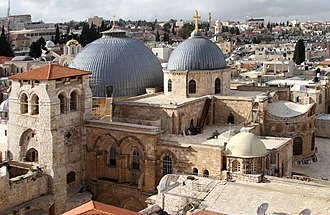
✝️Church of the Holy Sepulchre
The site where Jesus was crucified, buried, and resurrected.
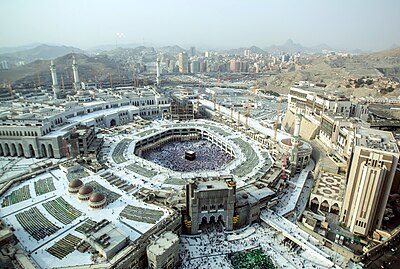
🕋Masjid al-Haram (Great Mosque of Mecca)
The holiest site in Islam, home of the Kaaba, and the destination for Hajj pilgrimage.
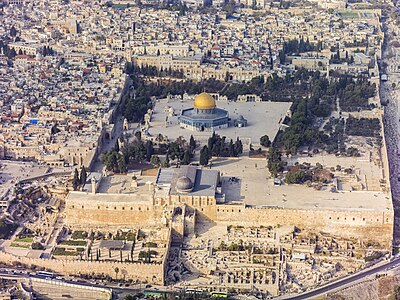
🕌Temple Mount / Al-Aqsa (Jerusalem)
Sacred to Judaism, Christianity, and Islam — the most contested holy site on Earth.

