⛪ Cathedral of Our Lady (Antwerp)
Belgium
About This Sacred Site
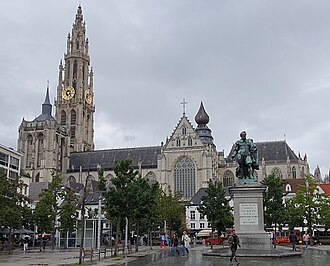
The Cathedral of Our Lady (Onze-Lieve-Vrouwekathedraal) in Antwerp, Belgium, is the tallest Gothic church in the Low Countries and a UNESCO World Heritage site. Construction began in 1352 and was completed in 1521, with the single finished tower soaring to 123 meters. It houses masterpieces by Baroque painter Peter Paul Rubens, including "The Elevation of the Cross." The cathedral's intricate stone carvings, flying buttresses, and stained glass windows exemplify Northern European Gothic architecture, making it a cultural and religious landmark.
Spiritual Significance
The Cathedral of Our Lady in Antwerp, with its 123-meter tower—the tallest in the Benelux—dominates the city’s spiritual landscape and serves as the seat of the Diocese of Antwerp since its completion in 1521 after 169 years of construction. The cathedral houses four major paintings by Peter Paul Rubens, including The Elevation of the Cross (1610) and The Descent from the Cross (1612), which are focal points for devotional contemplation during liturgical celebrations. The cathedral hosts the annual Feast of Our Lady of the Cathedral on August 15th, featuring solemn Masses, processions, and the veneration of the Virgin Mary, reflecting deep Marian devotion rooted in Catholic doctrine. The cathedral’s Gothic architecture, with its flying buttresses and stained glass windows depicting biblical scenes, facilitates worship through the embodiment of heavenly themes. Pilgrims and local faithful participate in the Rosary prayers and novenas dedicated to the Virgin Mary, reinforcing her role as intercessor as outlined in Luke 1:28.
Key Facts
- •The tallest church tower in the Benelux at 123 meters
- •Construction took 169 years, from 1352 to 1521
- •Houses four major paintings by Peter Paul Rubens, Antwerp's most famous artist
- •The north tower was never completed, giving the facade an asymmetrical appearance
- •The tower is inscribed as a UNESCO World Heritage Site as part of the Belfries of Belgium and France
Location
Coordinates: 51.2205, 4.4013
Frequently Asked Questions
What religion is Cathedral of Our Lady (Antwerp) associated with?▾
Cathedral of Our Lady (Antwerp) is a Christianity holy site located in Belgium. It was established 1521 (begun 1352) and is ranked #355 in our global directory of sacred sites.
When was Cathedral of Our Lady (Antwerp) established?▾
Cathedral of Our Lady (Antwerp) dates back to 1521 (begun 1352). The tallest church tower in the Benelux at 123 meters
How many people visit Cathedral of Our Lady (Antwerp) each year?▾
Cathedral of Our Lady (Antwerp) receives approximately 600,000 visitors per year. Construction took 169 years, from 1352 to 1521
What is Cathedral of Our Lady (Antwerp) known for?▾
The largest Gothic cathedral in the Benelux, housing four masterpiece paintings by Peter Paul Rubens. Visitors come seeking blessings, guidance, pilgrimage, spiritual enlightenment. Houses four major paintings by Peter Paul Rubens, Antwerp's most famous artist
Related Holy Sites
Sacred places connected by country, religion, and purpose
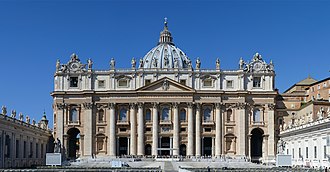
⛪Vatican City (St. Peter's Basilica)
The spiritual center of Roman Catholicism and home of the Pope.
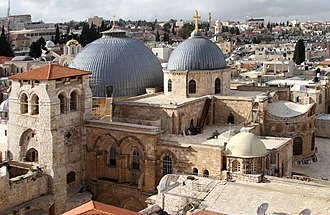
✝️Church of the Holy Sepulchre
The site where Jesus was crucified, buried, and resurrected.