✨ Shwezigon Pagoda
Myanmar
About This Sacred Site
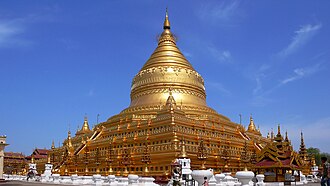
Shwezigon Pagoda is one of the most important Buddhist pilgrimage sites in Myanmar, built by King Anawrahta in the 11th century and completed by his successor King Kyansittha. The golden bell-shaped stupa is believed to enshrine a bone and tooth relic of Gautama Buddha. It served as the prototype for all later Burmese stupas, establishing the bell-shaped design that became standard throughout Myanmar. The pagoda complex also played a crucial role in the transition from nat worship (animist spirit worship) to Theravada Buddhism in Myanmar.
Spiritual Significance
Started by King Anawrahta in 1059 CE and completed by King Kyansittha, the pagoda is revered for enshrining a bone and tooth relic of Gautama Buddha, making it a premier pilgrimage destination in Myanmar. Devotees participate in the annual Shwezigon Pagoda Festival, which includes ceremonial offerings, traditional puppet shows, and recitations of the Abhidhamma Pitaka, reflecting its doctrinal importance. The pagoda's gilded stupa, approximately 46 meters tall, serves as a model for subsequent Burmese stupas, symbolizing the Buddha's presence. Pilgrims engage in water pouring rituals on the relic chamber, believed to confer merit and purification. The site also hosts monks who chant the Paritta protective chants daily, maintaining the spiritual ambiance established by early Pagan religious leaders.
Key Facts
- •Built by King Anawrahta starting in 1059 CE, completed by King Kyansittha
- •Believed to enshrine a bone and tooth of Gautama Buddha
- •Served as the architectural prototype for all subsequent Burmese stupas
- •Played a key role in the adoption of Theravada Buddhism in Myanmar
- •The terrace walls feature glazed plaques depicting scenes from the Jataka tales
Location
Coordinates: 21.2178, 94.8625
Frequently Asked Questions
What religion is Shwezigon Pagoda associated with?▾
Shwezigon Pagoda is a Buddhism holy site located in Myanmar. It was established c. 1059 CE and is ranked #603 in our global directory of sacred sites.
When was Shwezigon Pagoda established?▾
Shwezigon Pagoda dates back to c. 1059 CE. Built by King Anawrahta starting in 1059 CE, completed by King Kyansittha
How many people visit Shwezigon Pagoda each year?▾
Shwezigon Pagoda receives approximately 500,000+ visitors per year. Believed to enshrine a bone and tooth of Gautama Buddha
What is Shwezigon Pagoda known for?▾
A gilded stupa in Bagan believed to enshrine a bone and tooth of the Buddha. Visitors come seeking pilgrimage, blessings, protection, healing. Served as the architectural prototype for all subsequent Burmese stupas
Related Holy Sites
Sacred places connected by country, religion, and purpose
🪷Shwedagon Pagoda
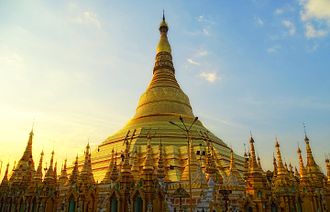
Myanmar's most sacred Buddhist pagoda, gilded with 60 tons of gold.
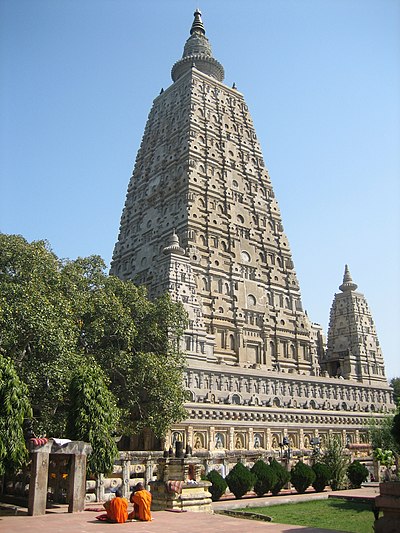
☸️Bodh Gaya (Mahabodhi Temple)
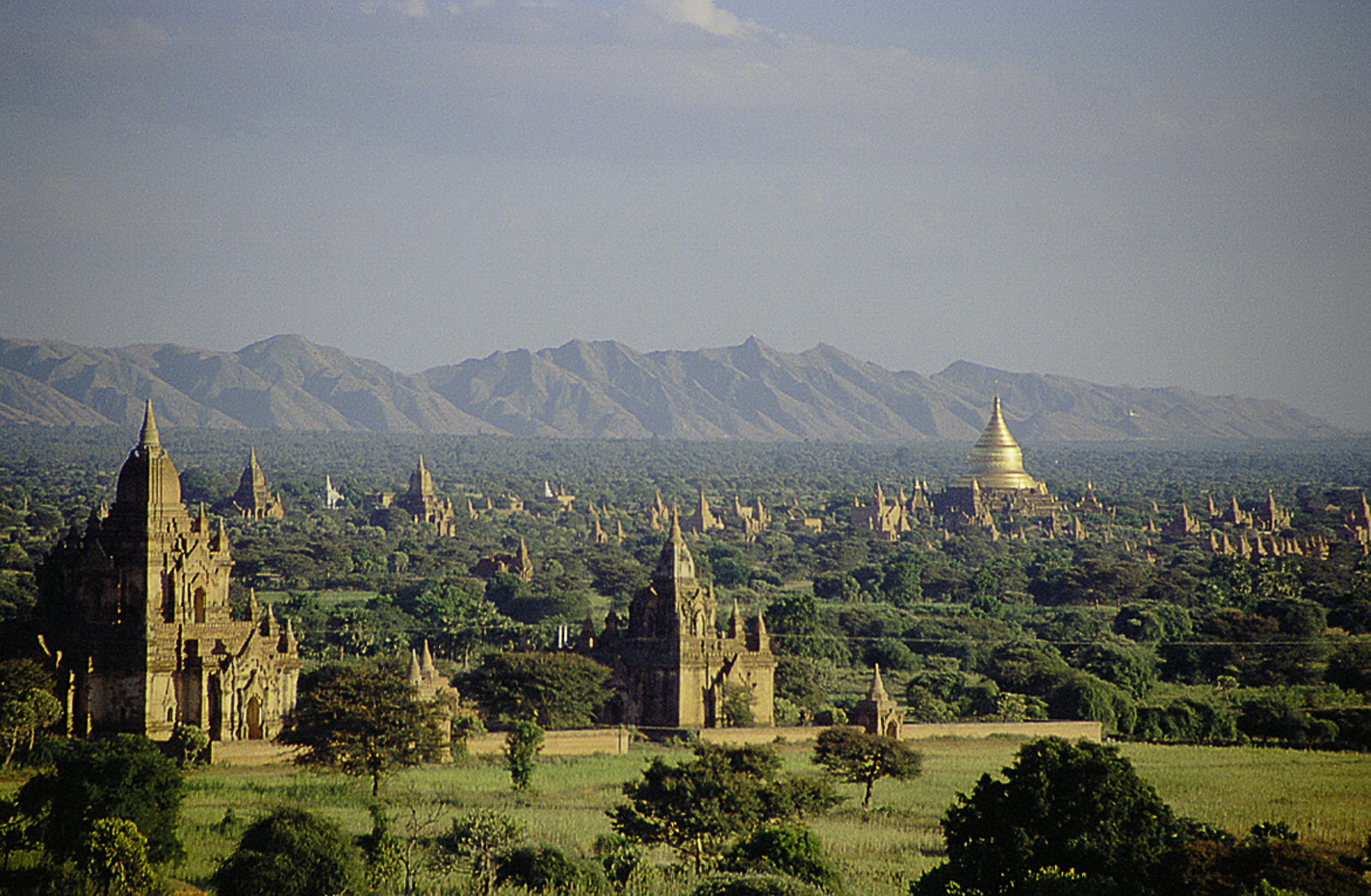
Where Siddhartha Gautama attained enlightenment and became the Buddha.
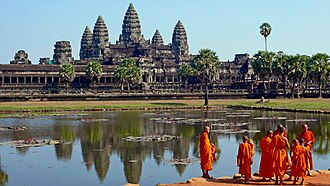
🛕Angkor Wat
The largest religious monument in the world, originally Hindu then Buddhist.