✨ Shwemawdaw Pagoda
Myanmar
About This Sacred Site
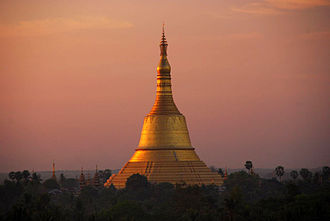
Shwemawdaw Pagoda in Bago is the tallest pagoda in Myanmar at 114 meters, even surpassing the famous Shwedagon Pagoda in Yangon. It enshrines two sacred hair relics of the Buddha and a tooth relic, making it one of the most venerated Buddhist sites in Myanmar. Originally built to a height of just 23 meters during the Mon era, successive kings enlarged it over the centuries. The pagoda has been destroyed by earthquakes several times throughout its history and was last rebuilt in 1954 after the devastating 1930 earthquake shattered its upper portion.
History & Origins
The Shwemawdaw Pagoda, located in Bago, Myanmar, was originally constructed by the Mon people around the 10th century CE, making it over a millennium old. It stands at 114 meters, making it the tallest pagoda in Myanmar, a height achieved through multiple renovations, notably after two major earthquakes in 1917 and 1930 that damaged earlier structures. The pagoda was initially built to enshrine two hair relics and one tooth relic of Gautama Buddha, which were brought to the region by Mon monks, enhancing its religious prominence. King Dhammazedi, who ruled in the 15th century, is recorded to have significantly expanded the pagoda, reinforcing its foundations and gilding the upper tiers. The pagoda has since undergone several restorations commissioned by Burmese kings, including King Bayinnaung in the 16th century, ensuring its preservation as a key religious landmark. During British colonial rule, the site was protected and maintained, underscoring its continued cultural and spiritual importance. Today, the Shwemawdaw Pagoda remains a central pilgrimage destination in Myanmar, celebrated for its towering spire and historical relics.
Spiritual Significance
The Shwemawdaw Pagoda is considered one of Myanmar's most sacred Buddhist sites due to its enshrinement of two hair relics and a tooth relic of the Buddha, which are objects of veneration believed to confer blessings and protection. The annual Shwemawdaw Pagoda Festival, held during the Burmese month of Tagu (March-April), draws thousands of pilgrims who perform the traditional circumambulation (kyaung), offering flowers, candles, and incense around the stupa. Devotees engage in the recitation of the Paritta chants, particularly the Ratana Sutta, invoking protection and merit accumulation. The pagoda's spire, gilded with gold leaf applied by devotees, symbolizes the Buddha's enlightenment and the path to Nirvana as described in the Pali Canon. Buddhist monks residing nearby conduct daily alms rounds and meditation sessions, facilitating lay practitioners' engagement with the Theravāda tradition. The site also serves as a locus for merit-making activities such as releasing captive animals, aligning with teachings found in the Dhammapada. The Shwemawdaw's relics link it directly to the historical Buddha, making it a pivotal pilgrimage site for Myanmar's Buddhist community.
Key Facts
- •At 114 meters, it is the tallest pagoda in Myanmar
- •Enshrines two hair relics and one tooth relic of the Buddha
- •Originally built over 1,000 years ago by the Mon people
- •Destroyed and rebuilt multiple times after earthquakes, most recently in 1954
- •The remains of the earthquake-toppled spire are preserved in the pagoda compound
Location
Coordinates: 17.3364, 96.4750
Frequently Asked Questions
What religion is Shwemawdaw Pagoda associated with?▾
Shwemawdaw Pagoda is a Buddhism holy site located in Myanmar. It was established c. 10th century CE and is ranked #370 in our global directory of sacred sites.
When was Shwemawdaw Pagoda established?▾
Shwemawdaw Pagoda dates back to c. 10th century CE. At 114 meters, it is the tallest pagoda in Myanmar
How many people visit Shwemawdaw Pagoda each year?▾
Shwemawdaw Pagoda receives approximately 500,000+ visitors per year. Enshrines two hair relics and one tooth relic of the Buddha
What is Shwemawdaw Pagoda known for?▾
The tallest pagoda in Myanmar, enshrining two sacred hair relics and a tooth of the Buddha. Visitors come seeking healing, blessings, pilgrimage, protection. Originally built over 1,000 years ago by the Mon people
Related Holy Sites
Sacred places connected by country, religion, and purpose
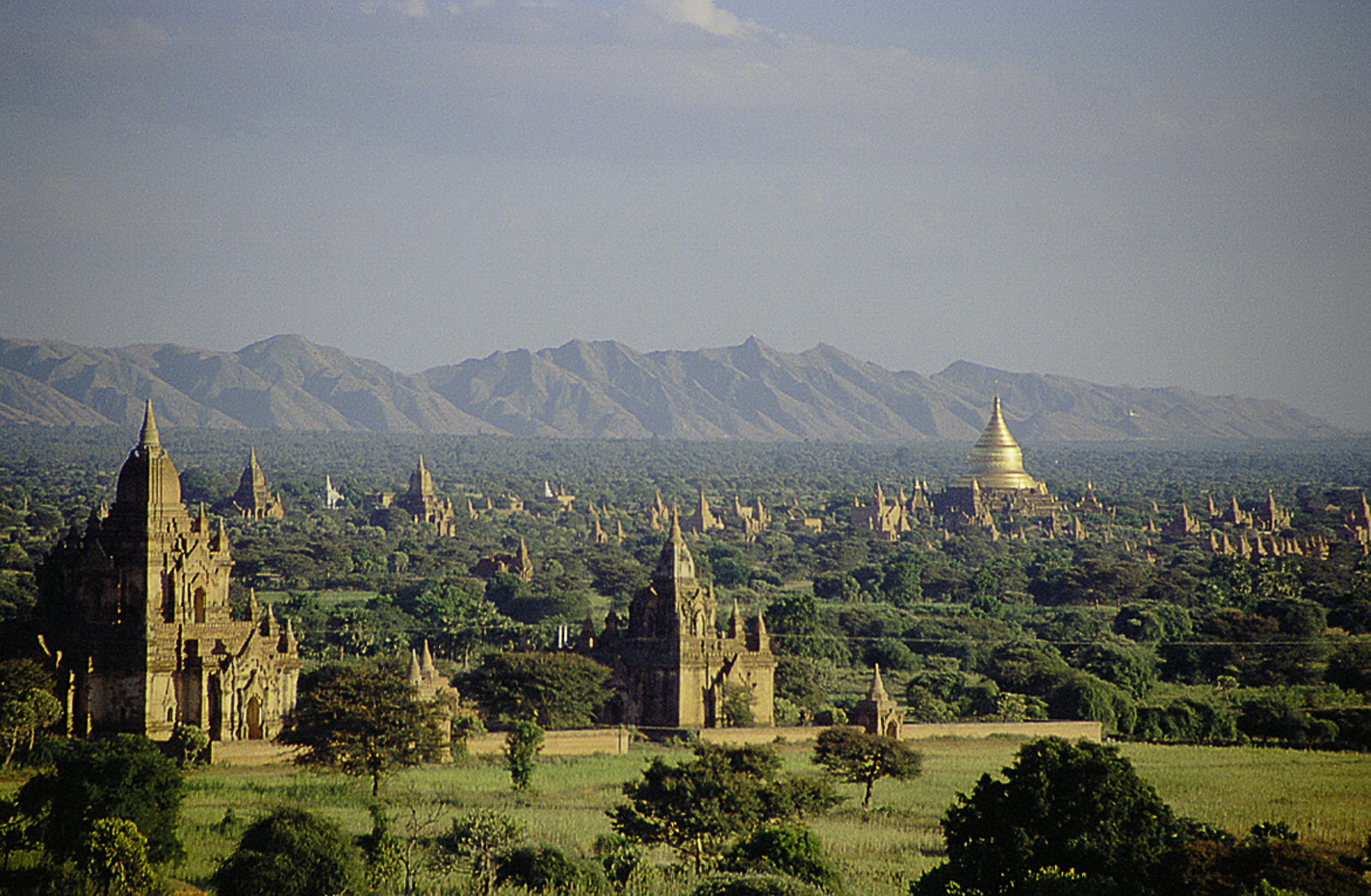
🪷Shwedagon Pagoda
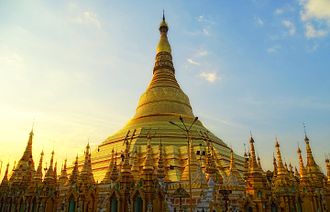
Myanmar's most sacred Buddhist pagoda, gilded with 60 tons of gold.
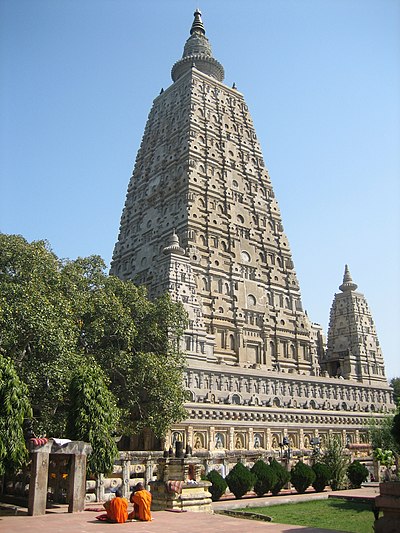
☸️Bodh Gaya (Mahabodhi Temple)
Where Siddhartha Gautama attained enlightenment and became the Buddha.
🛕Angkor Wat
The largest religious monument in the world, originally Hindu then Buddhist.