📖 Shrine of Ezekiel (Al-Kifl)
Iraq
About This Sacred Site
The Shrine of Ezekiel in Al-Kifl, Iraq, is traditionally considered the burial place of the biblical prophet Ezekiel, revered in Judaism, Christianity, and Islam. The site features a domed mosque and synagogue, reflecting its multi-faith significance. Pilgrims from diverse backgrounds visit the shrine, which is characterized by Ottoman-era architecture and inscriptions honoring the prophet. The shrine symbolizes shared heritage and religious coexistence in the region.
History & Origins
The Shrine of Ezekiel in Al-Kifl, Iraq, is traditionally dated to the 6th century BCE, believed to mark the burial place of the prophet Ezekiel. The site gained prominence during the Babylonian exile when Jewish communities revered it as a sacred tomb. The shrine features Hebrew inscriptions from the medieval period, indicating continuous Jewish pilgrimage through the Middle Ages. Under Ottoman rule in the 16th century, the shrine underwent renovations, integrating Islamic architectural elements while preserving Hebrew scriptural carvings. In the 19th century, the site was recognized by local Muslim authorities as the tomb of Dhul-Kifl, enhancing its multi-faith significance. The complex survived several conflicts, including damage during the 20th-century Iraq wars, but recent restoration efforts have aimed to preserve its unique heritage as a major pilgrimage site for Jews, Christians, and Muslims alike.
Spiritual Significance
The shrine is venerated by Jews, Christians, and Muslims, each attributing unique religious significance to Ezekiel, known in Islamic tradition as Dhul-Kifl. Jewish pilgrims perform prayers referencing Ezekiel's prophecies in the Book of Ezekiel, commemorating his role as a prophet during the Babylonian captivity. Christians honor Ezekiel as a precursor to New Testament prophecy, often visiting during Lent and Easter seasons to reflect on his visions. Muslim visitors recite Quranic verses related to Dhul-Kifl and engage in pilgrimage rituals during religious holidays such as Ramadan. The site hosts annual interfaith ceremonies promoting coexistence, and pilgrims customarily leave prayer notes in Hebrew, Arabic, and Syriac. Medieval Hebrew inscriptions within the shrine serve as a testament to its long-standing spiritual role across faiths.
Key Facts
- •Sacred to Jews, Christians, and Muslims
- •Contains Hebrew inscriptions from the medieval period
- •Ezekiel is known as Dhul-Kifl in Islamic tradition
- •Was a major Jewish pilgrimage site until the mid-20th century
- •Features a distinctive green conical dome
Location
Coordinates: 32.2333, 44.3833
Frequently Asked Questions
What religion is Shrine of Ezekiel (Al-Kifl) associated with?▾
Shrine of Ezekiel (Al-Kifl) is a Multi-faith holy site located in Iraq. It was established c. 6th century BCE (traditional) and is ranked #458 in our global directory of sacred sites.
When was Shrine of Ezekiel (Al-Kifl) established?▾
Shrine of Ezekiel (Al-Kifl) dates back to c. 6th century BCE (traditional). Sacred to Jews, Christians, and Muslims
How many people visit Shrine of Ezekiel (Al-Kifl) each year?▾
Shrine of Ezekiel (Al-Kifl) receives approximately 50,000 visitors per year. Contains Hebrew inscriptions from the medieval period
What is Shrine of Ezekiel (Al-Kifl) known for?▾
The traditional tomb of the biblical prophet Ezekiel, sacred to Jews, Christians, and Muslims. Visitors come seeking pilgrimage, blessings, ancestral connection, guidance. Ezekiel is known as Dhul-Kifl in Islamic tradition
Related Holy Sites
Sacred places connected by country, religion, and purpose
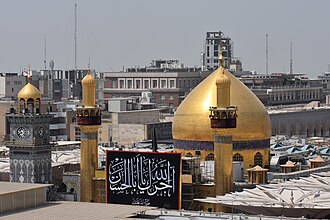
🕌Imam Ali Mosque (Najaf)
The tomb of Imam Ali, the first Shia Imam and fourth Caliph, in Najaf.
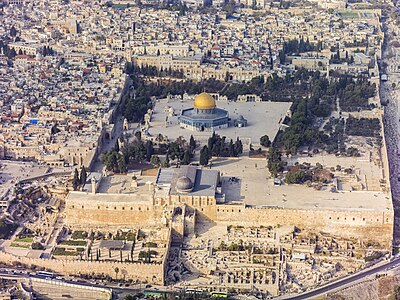
🕌Temple Mount / Al-Aqsa (Jerusalem)
Sacred to Judaism, Christianity, and Islam — the most contested holy site on Earth.
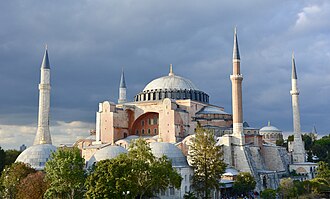
🏛️Hagia Sophia
A masterpiece that served as cathedral, mosque, and museum across centuries.