
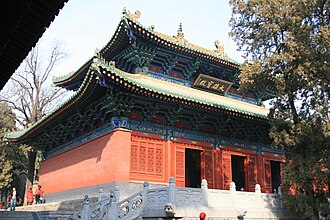
🥋 Shaolin Temple
China
About This Sacred Site
The Shaolin Temple, nestled in the Song Mountains of Henan Province, is the legendary birthplace of Chan (Zen) Buddhism and Shaolin kung fu. Founded in 495 CE by the Indian monk Batuo, it gained fame when Bodhidharma arrived around 527 CE and introduced the meditation practices that evolved into Zen Buddhism. The monks developed martial arts as a form of physical and spiritual discipline, creating the world-renowned Shaolin kung fu tradition. The temple complex includes the Pagoda Forest, containing over 240 memorial pagodas spanning 1,200 years.
History & Origins
The origins of Shaolin Temple date to approximately 495 CE, making it established in the early centuries of the Common Era, during a period of profound religious transformation. Founded in 495 CE and considered the birthplace of Chan (Zen) Buddhism. The Pagoda Forest contains over 240 ancient memorial pagodas. Shaolin monks fought in historical battles, including for the Tang dynasty. UNESCO World Heritage Site as part of the Historic Monuments of Dengfeng. The traditions maintained here connect contemporary pilgrims to an unbroken chain of meditation stretching back to 495 CE.
Spiritual Significance
Established in 495 CE, this temple is recognized as the birthplace of Chan (Zen) Buddhism, where Bodhidharma is said to have meditated facing a wall for nine years, a practice foundational to Zen meditation (zazen). The temple's Pagoda Forest contains over 230 stone pagodas marking the graves of eminent monks, emphasizing the importance of ancestor veneration and monastic lineage. Shaolin monks perform the traditional kung fu rituals blending martial arts with spiritual discipline, embodying the Buddhist principle of mindfulness in movement. Annual ceremonies commemorate Bodhidharma's enlightenment and the temple's founding, attracting pilgrims who participate in meditation sessions and chanting of the Heart Sutra. The temple's teachings integrate Mahayana Buddhist doctrines emphasizing direct realization of Buddha-nature, transmitted through generations of monks trained in both spiritual and physical cultivation.
Key Facts
- •Founded in 495 CE and considered the birthplace of Chan (Zen) Buddhism
- •Bodhidharma is said to have meditated facing a wall here for nine years
- •The Pagoda Forest contains over 240 ancient memorial pagodas
- •Shaolin monks fought in historical battles, including for the Tang dynasty
- •UNESCO World Heritage Site as part of the Historic Monuments of Dengfeng
Location
Coordinates: 34.5076, 112.9340
Frequently Asked Questions
What religion is Shaolin Temple associated with?▾
Shaolin Temple is a Buddhism holy site located in China. It was established 495 CE and is ranked #132 in our global directory of sacred sites.
When was Shaolin Temple established?▾
Shaolin Temple dates back to 495 CE. Founded in 495 CE and considered the birthplace of Chan (Zen) Buddhism
How many people visit Shaolin Temple each year?▾
Shaolin Temple receives approximately 3+ million visitors per year. Bodhidharma is said to have meditated facing a wall here for nine years
What is Shaolin Temple known for?▾
The birthplace of Zen Buddhism and Shaolin kung fu in the Song Mountains. Visitors come seeking spiritual enlightenment, meditation, protection, guidance. The Pagoda Forest contains over 240 ancient memorial pagodas
Related Holy Sites
Sacred places connected by country, religion, and purpose
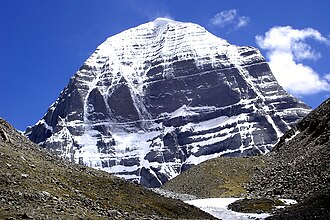
🏔️Mount Kailash
Sacred to four religions, considered the center of the universe.

🏯Potala Palace
Former winter residence of the Dalai Lama, towering over Lhasa.
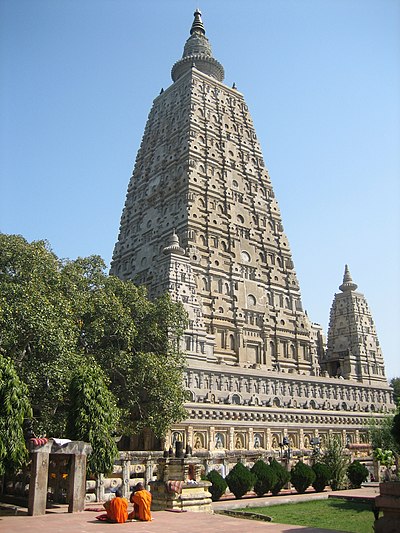
☸️Bodh Gaya (Mahabodhi Temple)
Where Siddhartha Gautama attained enlightenment and became the Buddha.
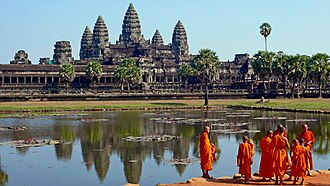
🛕Angkor Wat
The largest religious monument in the world, originally Hindu then Buddhist.

⛪Vatican City (St. Peter's Basilica)
The spiritual center of Roman Catholicism and home of the Pope.
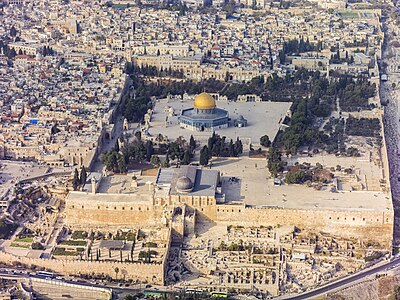
🕌Temple Mount / Al-Aqsa (Jerusalem)
Sacred to Judaism, Christianity, and Islam — the most contested holy site on Earth.

