🕌 Shrine of Shah Jalal (Sylhet)
Bangladesh
About This Sacred Site
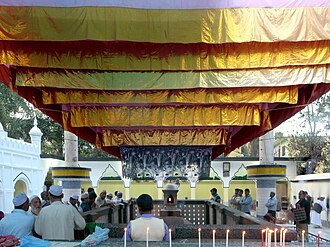
The Shrine of Shah Jalal in Sylhet, Bangladesh, honors the 14th-century Sufi saint Shah Jalal, who played a crucial role in spreading Islam in the region. The shrine complex includes Shah Jalal’s tomb, a mosque, and various facilities for pilgrims. It is the most visited Sufi shrine in Bangladesh, attracting devotees seeking spiritual blessings and healing. The architecture combines Mughal and local Bengali styles, with white domes and ornate gateways. The site hosts annual Urs celebrations commemorating Shah Jalal’s death, featuring devotional music and rituals. The shrine remains a vibrant religious center, symbolizing the syncretic spiritual heritage of Sylhet.
Spiritual Significance
The Shrine of Shah Jalal, established circa 1346 CE in Sylhet, Bangladesh, marks the resting place of Shah Jalal (1271–1346), the Sufi saint credited with the widespread introduction of Islam to the Sylhet region. Devotees engage in the annual Urs festival commemorating Shah Jalal's death anniversary, featuring qawwali music and dhikr ceremonies that emphasize Sufi devotional practices rooted in the teachings of Jalaluddin Rumi and Ibn Arabi. Pilgrims partake in ritual bathing in the shrine's sacred catfish ponds, believed to possess healing properties linked to Shah Jalal's spiritual power. The shrine complex includes a mosque and tomb structures that illustrate Indo-Islamic architectural styles from the 14th century. The theological importance of the site is tied to Shah Jalal's role in propagating Sunni Islam blended with Sufi mysticism, as documented in Persian hagiographies such as the Mawlana's "Tazkirat al-Auliya". Visitors often perform prayer offerings and seek barakah (blessings), reflecting the shrine's status as Bangladesh's most visited Sufi sanctuary.
Key Facts
- •Shah Jalal (1271–1346) is credited with bringing Islam to the Sylhet region
- •The most visited Sufi shrine in Bangladesh
- •The shrine complex includes sacred catfish ponds and eternal flame
- •Sylhet International Airport is named Hazrat Shahjalal International Airport
- •Ibn Battuta reportedly visited Shah Jalal during his travels in the 1340s
Location
Coordinates: 24.9000, 91.8750
Frequently Asked Questions
What religion is Shrine of Shah Jalal (Sylhet) associated with?▾
Shrine of Shah Jalal (Sylhet) is a Islam holy site located in Bangladesh. It was established c. 1346 CE and is ranked #431 in our global directory of sacred sites.
When was Shrine of Shah Jalal (Sylhet) established?▾
Shrine of Shah Jalal (Sylhet) dates back to c. 1346 CE. Shah Jalal (1271–1346) is credited with bringing Islam to the Sylhet region
How many people visit Shrine of Shah Jalal (Sylhet) each year?▾
Shrine of Shah Jalal (Sylhet) receives approximately 5+ million visitors per year. The most visited Sufi shrine in Bangladesh
What is Shrine of Shah Jalal (Sylhet) known for?▾
The shrine of the Sufi saint who brought Islam to Sylhet, the most visited Sufi shrine in Bangladesh. Visitors come seeking healing, blessings, pilgrimage, spiritual enlightenment. The shrine complex includes sacred catfish ponds and eternal flame
Related Holy Sites
Sacred places connected by country, religion, and purpose
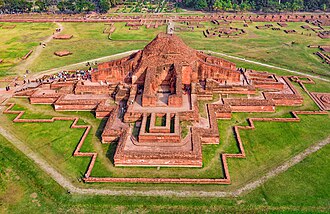
☸️Somapura Mahavihara (Paharpur)
A UNESCO-listed 8th-century Buddhist monastery, one of the largest in the Indian subcontinent.
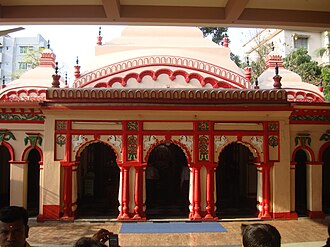
🙏Dhakeshwari Temple (Dhaka)
The national temple of Bangladesh, dedicated to the goddess Dhakeshwari, protector of Dhaka.