🕌 Shah-i-Zinda
Uzbekistan
About This Sacred Site
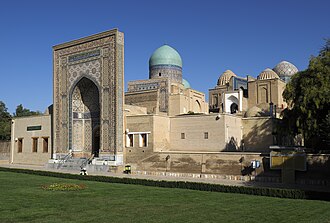
Shah-i-Zinda (The Living King) is a stunning necropolis in Samarkand consisting of a series of elaborately tiled mausoleums along a narrow medieval street. The complex is associated with Qutham ibn Abbas, a cousin of Prophet Muhammad, who is said to have brought Islam to Central Asia and to still be living (hence 'Living King'). The mausoleums span eight centuries and display the evolution of Timurid and Central Asian tilework from the 11th to the 19th century, creating one of the most photogenic ensembles of Islamic art in the world.
History & Origins
Shah-i-Zinda, meaning "The Living King," is an 11th-century necropolis in Samarkand, renowned for its series of elaborately tiled mausoleums arranged along a narrow medieval street. It is believed to house the tomb of Kusam ibn Abbas, a cousin of the Prophet Muhammad, which made it a significant pilgrimage site. The complex developed over several centuries, with most structures dating from the 14th to 15th centuries during the Timurid era, featuring exquisite glazed tilework, intricate mosaics, and calligraphic inscriptions. Shah-i-Zinda reflects the zenith of Timurid architectural artistry and religious devotion, serving as both a sacred burial place and a symbol of Samarkand’s spiritual heritage.
Spiritual Significance
Shah-i-Zinda, named after Qutham ibn Abbas, a cousin of Prophet Muhammad, is revered as a sacred necropolis where pilgrims perform ziyarat (visitation) to honor the saint believed to be buried within the complex. The legend that Qutham ibn Abbas remains alive in a well beneath the site fosters beliefs in ongoing spiritual presence and miraculous intercession. Mausoleums dating from the 11th to 19th centuries provide a layered historical context for Sufi and Islamic funerary architecture, with pilgrims lighting candles and offering prayers for deceased relatives. Annual commemorations include the urs festival, marking the death anniversary of saints interred there, featuring Quranic recitations and Sufi devotional music such as the traditional maqam. The site is deeply connected to the veneration of saintly figures in Central Asian Islam, blending Shi'a and Sunni practices, with pilgrims often seeking blessings and healing through proximity to the tombs.
Key Facts
- •Named after Qutham ibn Abbas, cousin of Prophet Muhammad
- •Legend says Qutham is still alive in a well beneath the complex
- •Mausoleums span from the 11th to 19th centuries
- •Features some of the finest tilework in Central Asia
- •Three visits here are said to equal a pilgrimage to Mecca
Location
Coordinates: 39.6625, 66.9875
Frequently Asked Questions
What religion is Shah-i-Zinda associated with?▾
Shah-i-Zinda is a Islam holy site located in Uzbekistan. It was established 11th century CE and is ranked #334 in our global directory of sacred sites.
When was Shah-i-Zinda established?▾
Shah-i-Zinda dates back to 11th century CE. Named after Qutham ibn Abbas, cousin of Prophet Muhammad
How many people visit Shah-i-Zinda each year?▾
Shah-i-Zinda receives approximately 700,000 visitors per year. Legend says Qutham is still alive in a well beneath the complex
What is Shah-i-Zinda known for?▾
A stunning avenue of mausoleums in Samarkand, known as the 'Street of the Living King.' Visitors come seeking pilgrimage, purification, blessings, healing. Mausoleums span from the 11th to 19th centuries
Related Holy Sites
Sacred places connected by country, religion, and purpose

🕌Hazrat Imam Complex (Tashkent)
Tashkent's spiritual center, housing one of the world's oldest Quran manuscripts.
🕌Registan (Samarkand)
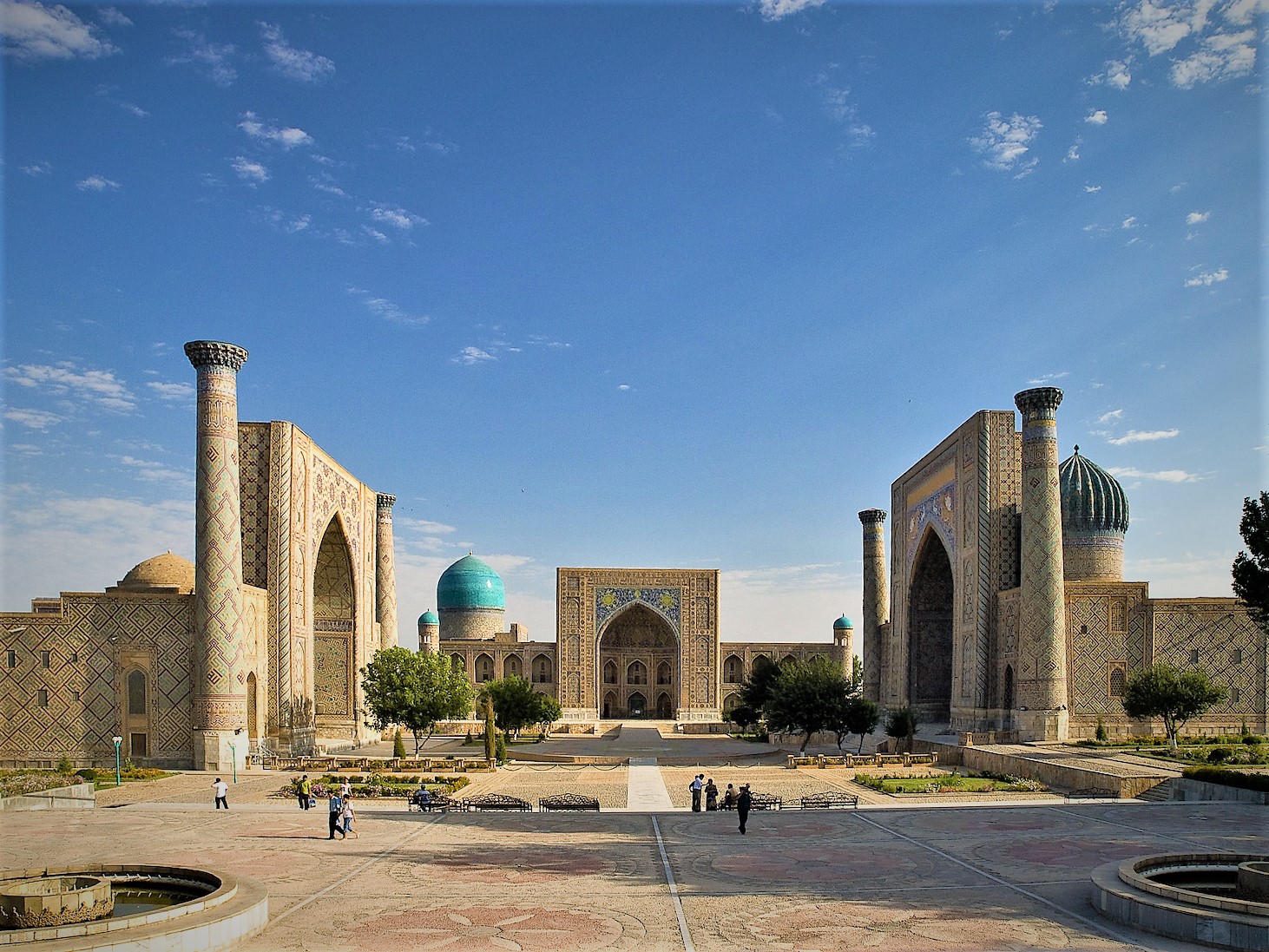
One of the finest public squares in the Islamic world, framed by three grand madrasas.