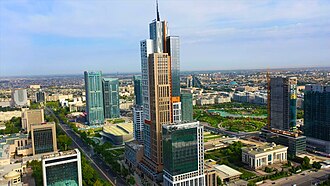
🕌 Hazrat Imam Complex (Tashkent)
Uzbekistan
About This Sacred Site
The Hazrat Imam Complex in Tashkent, established in the 16th century, serves as the spiritual and religious heart of Uzbekistan's capital. The complex includes key structures such as the Tellya Sheikh Mosque, the Barak-Khan Madrasa, and the Muyi Mubarak Library, which houses one of the oldest Quran manuscripts in the Muslim world. The architectural ensemble showcases traditional Central Asian Islamic styles with domed roofs, intricate tile decorations, and elegant minarets. The complex has undergone several restorations, particularly after the 1966 earthquake, preserving its historical and cultural significance. It remains a vital center for worship, Islamic education, and cultural preservation in Tashkent.
History & Origins
Established in the 16th century CE, the Hazrat Imam Complex in Tashkent houses the Uthman Quran, a manuscript dating back to the 7th century CE attributed to Caliph Uthman ibn Affan. The complex evolved through successive expansions, including a 19th-century madrasa and a library, under various Uzbek khans and Soviet-era restorations. The manuscript is believed to bear Caliph Uthman’s blood, linking it directly to early Islamic history and martyrdom narratives. The complex's architecture reflects Timurid and later Uzbek styles, featuring intricate tilework and domed mausoleums. It underwent significant renovation in the 20th century to preserve the Quran and accommodate increasing numbers of pilgrims. The complex is a central religious site in Tashkent, intertwining spiritual heritage with national identity.
Spiritual Significance
The presence of the Uthman Quran at the Hazrat Imam Complex makes it a critical pilgrimage site for Muslims who perform ziyarat to seek blessings and spiritual connection to the earliest Islamic period. The manuscript, considered one of the oldest Quranic codices, is displayed to the public during special religious occasions such as Ramadan and Laylat al-Qadr, when recitations emphasize its historical and theological importance. Rituals include prayers for guidance and forgiveness, often led by esteemed imams who reference Hadiths authenticated during Caliph Uthman's reign. The complex hosts Quranic memorization competitions and Islamic scholarly conferences, reinforcing its role in religious education. Pilgrims participate in dhikr circles and attend sermons promoting Sunni orthodoxy and reverence for the Quranic text’s preservation. The complex’s spiritual authority is augmented by its custodianship of this manuscript, linking contemporary worshippers with the Prophet Muhammad’s era.
Key Facts
- •Houses the Uthman Quran, one of the oldest Quran manuscripts
- •The Uthman Quran dates to the 7th century CE
- •The manuscript allegedly bears Caliph Uthman's blood
- •Includes madrasas, mosques, and a mausoleum
- •The religious center of Tashkent since the 16th century
Location
Coordinates: 41.3281, 69.2356
Frequently Asked Questions
What religion is Hazrat Imam Complex (Tashkent) associated with?▾
Hazrat Imam Complex (Tashkent) is a Islam holy site located in Uzbekistan. It was established 16th century CE and is ranked #235 in our global directory of sacred sites.
When was Hazrat Imam Complex (Tashkent) established?▾
Hazrat Imam Complex (Tashkent) dates back to 16th century CE. Houses the Uthman Quran, one of the oldest Quran manuscripts
How many people visit Hazrat Imam Complex (Tashkent) each year?▾
Hazrat Imam Complex (Tashkent) receives approximately 500,000 visitors per year. The Uthman Quran dates to the 7th century CE
What is Hazrat Imam Complex (Tashkent) known for?▾
Tashkent's spiritual center, housing one of the world's oldest Quran manuscripts. Visitors come seeking pilgrimage, blessings, spiritual enlightenment, guidance. The manuscript allegedly bears Caliph Uthman's blood
Related Holy Sites
Sacred places connected by country, religion, and purpose
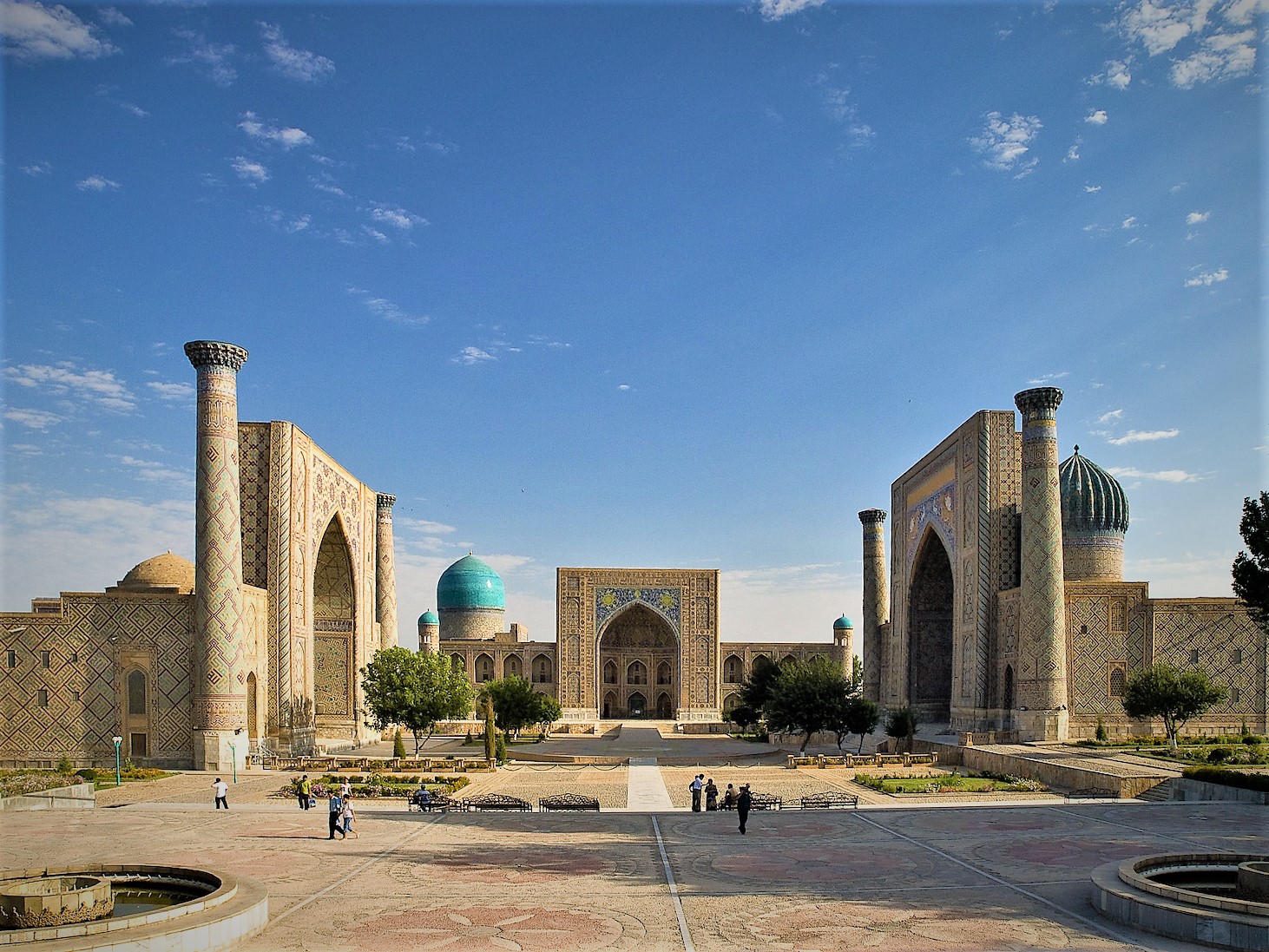
🕌Registan (Samarkand)
One of the finest public squares in the Islamic world, framed by three grand madrasas.
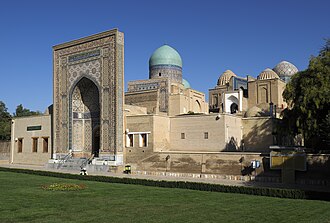
🕌Shah-i-Zinda
A stunning avenue of mausoleums in Samarkand, known as the 'Street of the Living King.'