
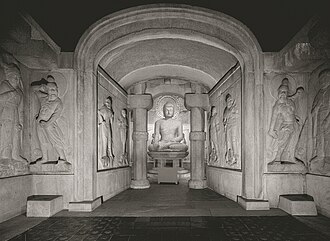
☸️ Seokguram Grotto
South Korea
About This Sacred Site
Seokguram Grotto is a UNESCO World Heritage Site on Mount Toham near Gyeongju, containing one of the most magnificent Buddha sculptures in all of East Asia. Built in the mid-8th century during the Silla dynasty, the artificial cave shrine was designed so the main seated Buddha image faces east toward the sea, catching the first light of sunrise. Forty relief carvings of bodhisattvas, guardians, and disciples surround the central 3.5-meter Buddha. The engineering and artistry of Seokguram is considered the crowning glory of Silla Buddhist art.
Spiritual Significance
Constructed around 751 CE during the Silla dynasty, this grotto is a masterwork of Buddhist art and spiritual symbolism, designated as a UNESCO World Heritage Site since 1995. The grotto houses a central statue of the Buddha looking eastward to capture the sunrise over the East Sea, symbolizing enlightenment’s dawning, consistent with Mahayana iconography described in the Sutra of Golden Light. The stone chamber contains more than 40 relief sculptures of bodhisattvas, arhats, and guardians, each representing various aspects of Buddhist cosmology and the path to liberation. Ritual practices historically included meditation and circumambulation within the grotto, aligning with doctrines from the Avatamsaka Sutra that describe the interconnectedness of all beings. Pilgrims ascend the mountain path to perform prostrations and offer incense, reflecting devotional acts prescribed in the Mahayana tradition for accumulating merit. The grotto’s architectural design embodies the mandala concept, facilitating contemplative visualization practices integral to esoteric Buddhist teachings. Its preservation underscores the cultural and religious significance attributed to the integration of art, architecture, and spiritual practice during the Unified Silla period.
Key Facts
- •UNESCO World Heritage Site since 1995
- •Built in the mid-8th century during the Silla dynasty
- •The main Buddha faces east to catch the sunrise over the East Sea
- •Contains 40 relief carvings of bodhisattvas and guardian figures
- •Rediscovered in 1909 after centuries of neglect and overgrowth
Location
Coordinates: 35.7958, 129.3517
Frequently Asked Questions
What religion is Seokguram Grotto associated with?▾
Seokguram Grotto is a Buddhism holy site located in South Korea. It was established c. 751 CE and is ranked #194 in our global directory of sacred sites.
When was Seokguram Grotto established?▾
Seokguram Grotto dates back to c. 751 CE. UNESCO World Heritage Site since 1995
How many people visit Seokguram Grotto each year?▾
Seokguram Grotto receives approximately 1+ million visitors per year. Built in the mid-8th century during the Silla dynasty
What is Seokguram Grotto known for?▾
A UNESCO-listed artificial cave shrine housing one of the finest Buddha sculptures in East Asia. Visitors come seeking spiritual enlightenment, meditation, peace, guidance. The main Buddha faces east to catch the sunrise over the East Sea
Related Holy Sites
Sacred places connected by country, religion, and purpose
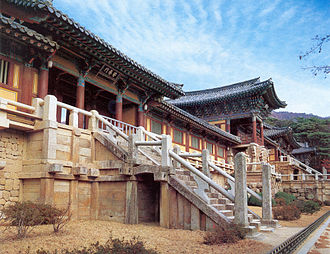
☸️Bulguksa Temple
Korea's most celebrated Buddhist temple, a UNESCO masterpiece of Silla-dynasty architecture.
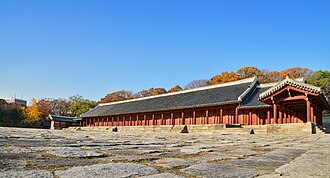
🏛️Jongmyo Shrine (Seoul)
A UNESCO-listed Confucian royal ancestral shrine, the oldest and most authentic of its kind in the world.
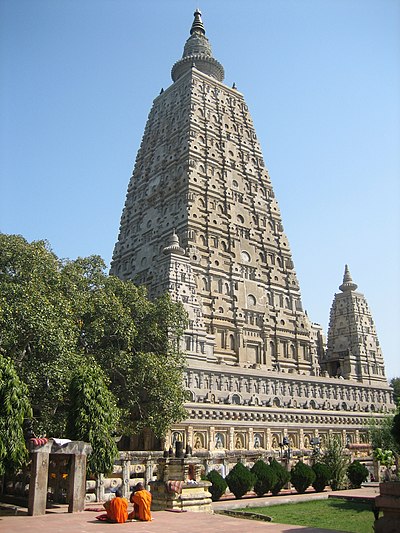
☸️Bodh Gaya (Mahabodhi Temple)
Where Siddhartha Gautama attained enlightenment and became the Buddha.
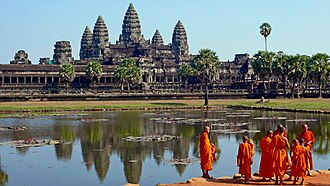
🛕Angkor Wat
The largest religious monument in the world, originally Hindu then Buddhist.
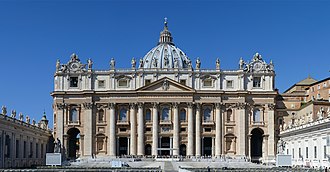
⛪Vatican City (St. Peter's Basilica)
The spiritual center of Roman Catholicism and home of the Pope.
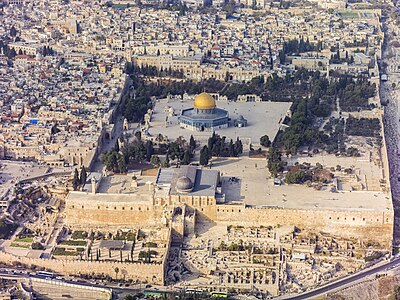
🕌Temple Mount / Al-Aqsa (Jerusalem)
Sacred to Judaism, Christianity, and Islam — the most contested holy site on Earth.

