🏮 Senso-ji
Japan
About This Sacred Site
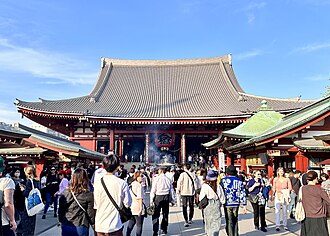
Senso-ji in Asakusa is Tokyo's oldest Buddhist temple, founded in 645 CE after two fishermen discovered a golden statue of Kannon (the goddess of mercy) in the Sumida River. The temple's iconic Kaminarimon (Thunder Gate) with its massive red lantern is one of the most recognizable symbols of Tokyo. The Nakamise-dori shopping street leading to the temple has served pilgrims and visitors for centuries. Despite being almost completely destroyed in World War II air raids, the temple was faithfully rebuilt and remains the spiritual heart of old Tokyo.
Spiritual Significance
Founded in 645 CE, Tokyo's oldest temple houses a golden Kannon statue discovered by two fishermen in the Sumida River, which is central to the temple's devotion to Kannon Bosatsu, the Bodhisattva of compassion. The Kaminarimon Gate, adorned with a 700 kg red lantern, serves as the temple's symbolic entrance and is traditionally passed under by pilgrims seeking blessings. Annual events such as the Sanja Matsuri draw millions to honor the three founders and involve processions carrying mikoshi portable shrines. Worshippers engage in omikuji fortune-telling and incense offerings at the Hozomon gate, practices rooted in Tendai Buddhist traditions. Senso-ji's ritual calendar follows the Japanese lunar calendar, reflecting syncretism between Buddhism and native Shinto beliefs. The temple's scriptures include the Lotus Sutra, central to its doctrinal teachings on compassion and salvation.
Key Facts
- •Tokyo's oldest temple, founded in 645 CE
- •The Kaminarimon (Thunder Gate) features a giant 700 kg red lantern
- •Two fishermen discovered a golden Kannon statue in the Sumida River, inspiring the temple's construction
- •The Nakamise-dori shopping street has served visitors since the Edo period
- •Almost entirely rebuilt after being destroyed in the 1945 Tokyo air raids
Location
Coordinates: 35.7148, 139.7967
Frequently Asked Questions
What religion is Senso-ji associated with?▾
Senso-ji is a Buddhism holy site located in Japan. It was established 645 CE and is ranked #116 in our global directory of sacred sites.
When was Senso-ji established?▾
Senso-ji dates back to 645 CE. Tokyo's oldest temple, founded in 645 CE
How many people visit Senso-ji each year?▾
Senso-ji receives approximately 30+ million visitors per year. The Kaminarimon (Thunder Gate) features a giant 700 kg red lantern
What is Senso-ji known for?▾
Tokyo's oldest and most visited temple, entered through the iconic Thunder Gate. Visitors come seeking healing, protection, prosperity, blessings. Two fishermen discovered a golden Kannon statue in the Sumida River, inspiring the temple's construction
Related Holy Sites
Sacred places connected by country, religion, and purpose
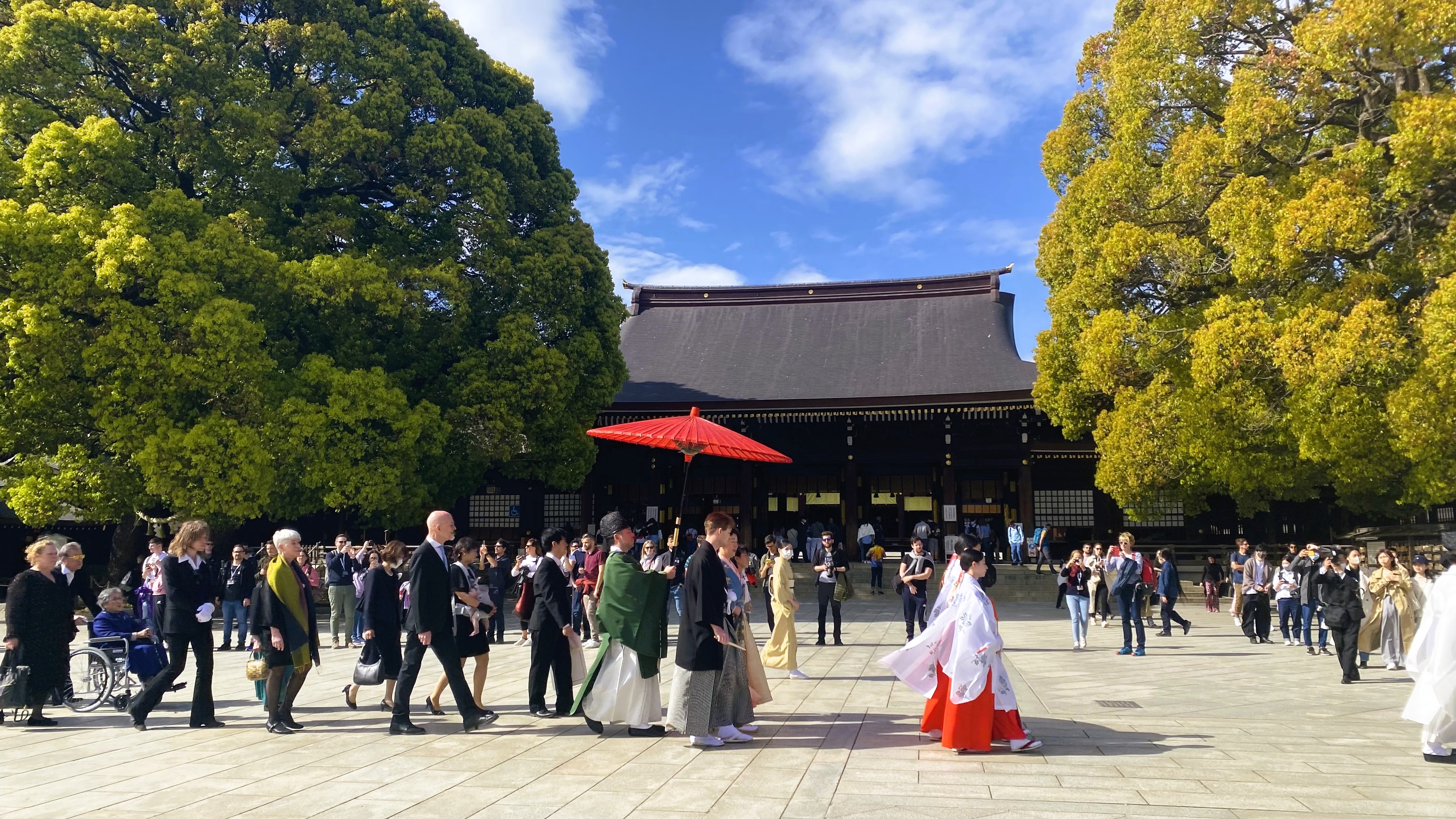
⛩️Meiji Shrine (Meiji Jingu)
Tokyo's most important Shinto shrine, set in a vast forest.
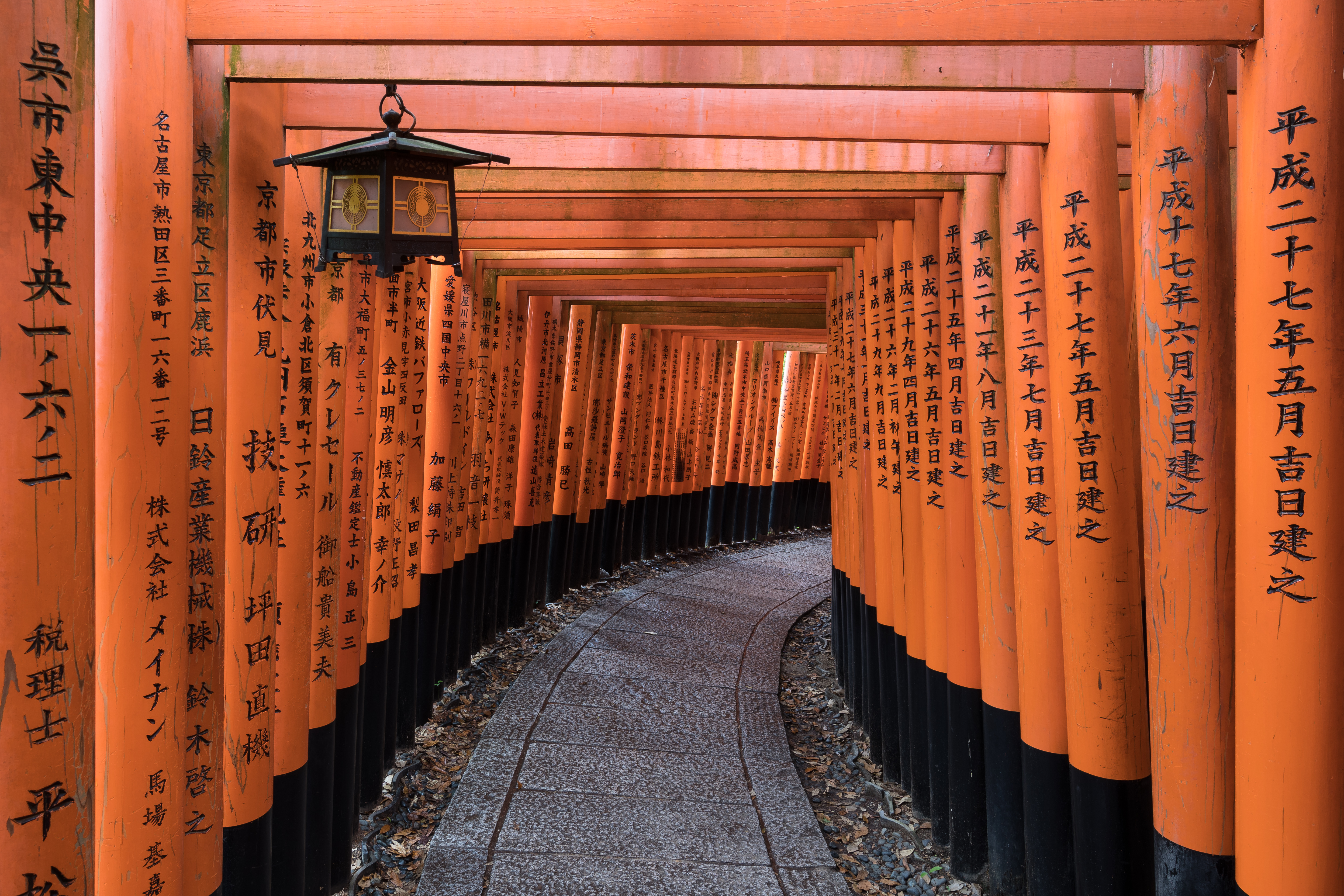
⛩️Fushimi Inari Taisha
Famous for its thousands of vermillion torii gates winding up a sacred mountain.
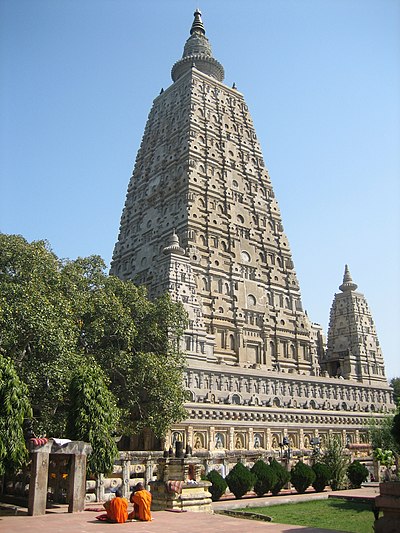
☸️Bodh Gaya (Mahabodhi Temple)
Where Siddhartha Gautama attained enlightenment and became the Buddha.
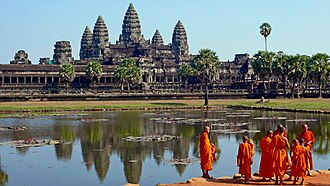
🛕Angkor Wat
The largest religious monument in the world, originally Hindu then Buddhist.