🕌 Sayyidah Zaynab Mosque
Syria
About This Sacred Site
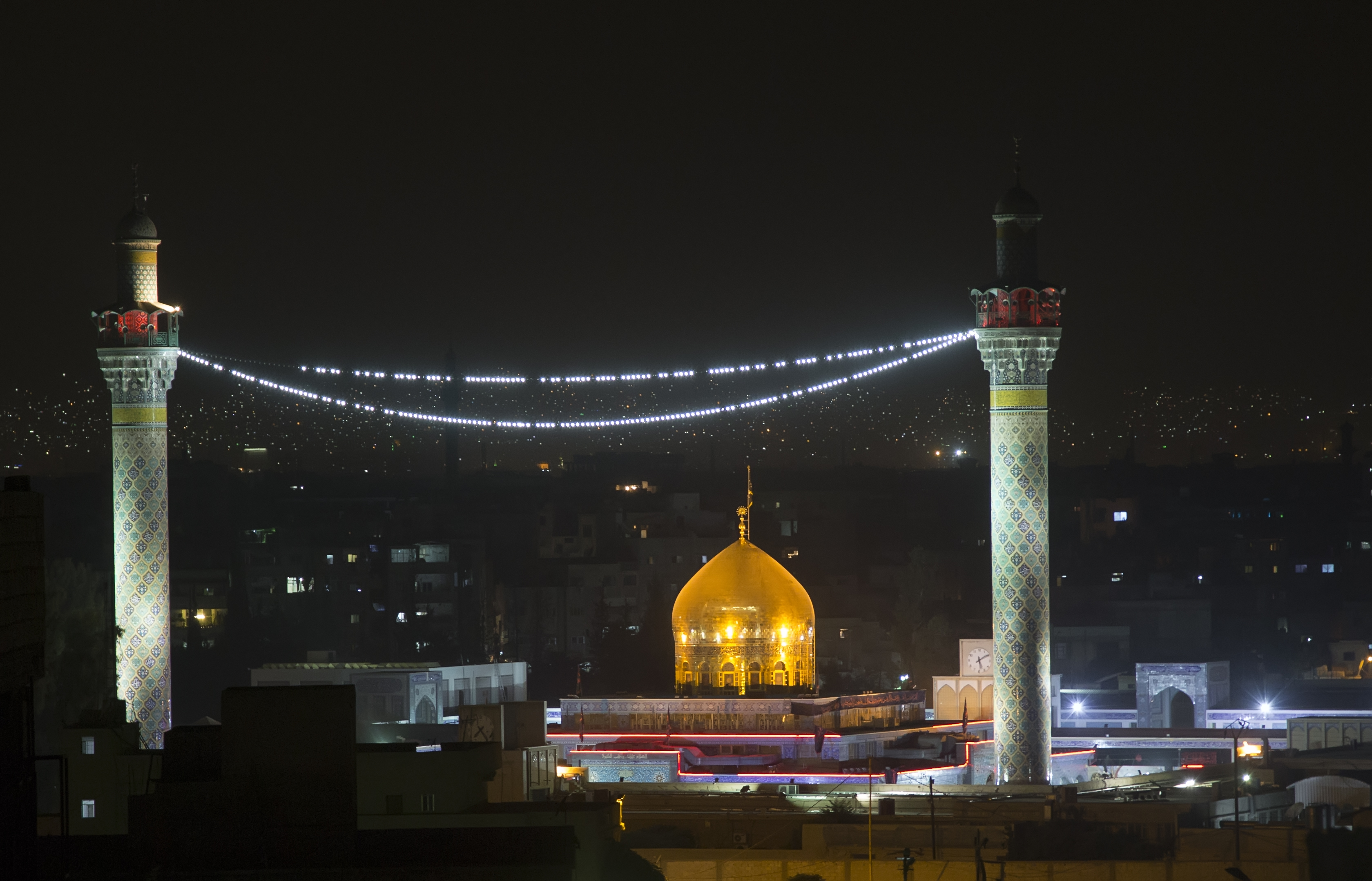
The Sayyidah Zaynab Mosque, located just south of Damascus, Syria, is a major Shia pilgrimage site believed to house the tomb of Zaynab bint Ali, the granddaughter of Prophet Muhammad. The mosque complex features a large golden dome, minarets, and richly decorated interiors with intricate Islamic calligraphy and tile work. It serves as a spiritual center for Shia Muslims and attracts pilgrims from across the Middle East, particularly during religious commemorations such as Ashura.
History & Origins
Traditionally believed to be the burial site of Zaynab bint Ali, the daughter of Imam Ali and Fatimah, the Sayyidah Zaynab Mosque dates back to the early Islamic period around 682 CE. Over centuries, the site evolved from a modest shrine to an extensive mosque complex through numerous renovations and expansions, notably during the Mamluk and Ottoman eras. The current golden dome was added in the late 20th century, enhancing its visual prominence. The mosque gained heightened significance during the Syrian civil war, becoming a symbol of Shia resistance and solidarity. Despite facing security challenges, it remains a vital religious destination, embodying deep historical and emotional resonance for Shia communities worldwide.
Spiritual Significance
Believed to house the tomb of Zaynab bint Ali, the granddaughter of Prophet Muhammad, the mosque is a major pilgrimage site especially for Shia Muslims. The golden dome, completed in the late 20th century, symbolizes her revered status and is visible from miles around Damascus. The interior's intricate mirror-work, known as ayina-kari, reflects light to create an ethereal atmosphere for devotional acts such as reciting the Ziyarat al-Zaynabiyya, a prayer honoring her courage during the Battle of Karbala. The mosque hosts annual commemorations during the month of Muharram, particularly on the day of Ashura, to remember the martyrdom of Imam Husayn and Zaynab's role in preserving his legacy. Pilgrims engage in acts of charity (sadaqah) and listen to sermons recounting her theological and moral significance in Islamic history. The site functions as both a shrine and a center for religious education, attracting scholars and devotees worldwide.
Key Facts
- •Believed to house the tomb of Zaynab bint Ali
- •Zaynab was the granddaughter of Prophet Muhammad
- •Features a golden dome and elaborate mirror-work interior
- •One of the most important Shia pilgrimage sites outside Iraq
- •The area around the shrine has significant strategic importance
Location
Coordinates: 33.4433, 36.3400
Frequently Asked Questions
What religion is Sayyidah Zaynab Mosque associated with?▾
Sayyidah Zaynab Mosque is a Islam holy site located in Syria. It was established c. 682 CE (traditional) and is ranked #385 in our global directory of sacred sites.
When was Sayyidah Zaynab Mosque established?▾
Sayyidah Zaynab Mosque dates back to c. 682 CE (traditional). Believed to house the tomb of Zaynab bint Ali
How many people visit Sayyidah Zaynab Mosque each year?▾
Sayyidah Zaynab Mosque receives approximately 2 million visitors per year. Zaynab was the granddaughter of Prophet Muhammad
What is Sayyidah Zaynab Mosque known for?▾
A major Shia shrine near Damascus, believed to house the tomb of Zaynab bint Ali. Visitors come seeking pilgrimage, healing, blessings, forgiveness. Features a golden dome and elaborate mirror-work interior
Related Holy Sites
Sacred places connected by country, religion, and purpose