🐚 Santiago de Compostela Cathedral
Spain
About This Sacred Site
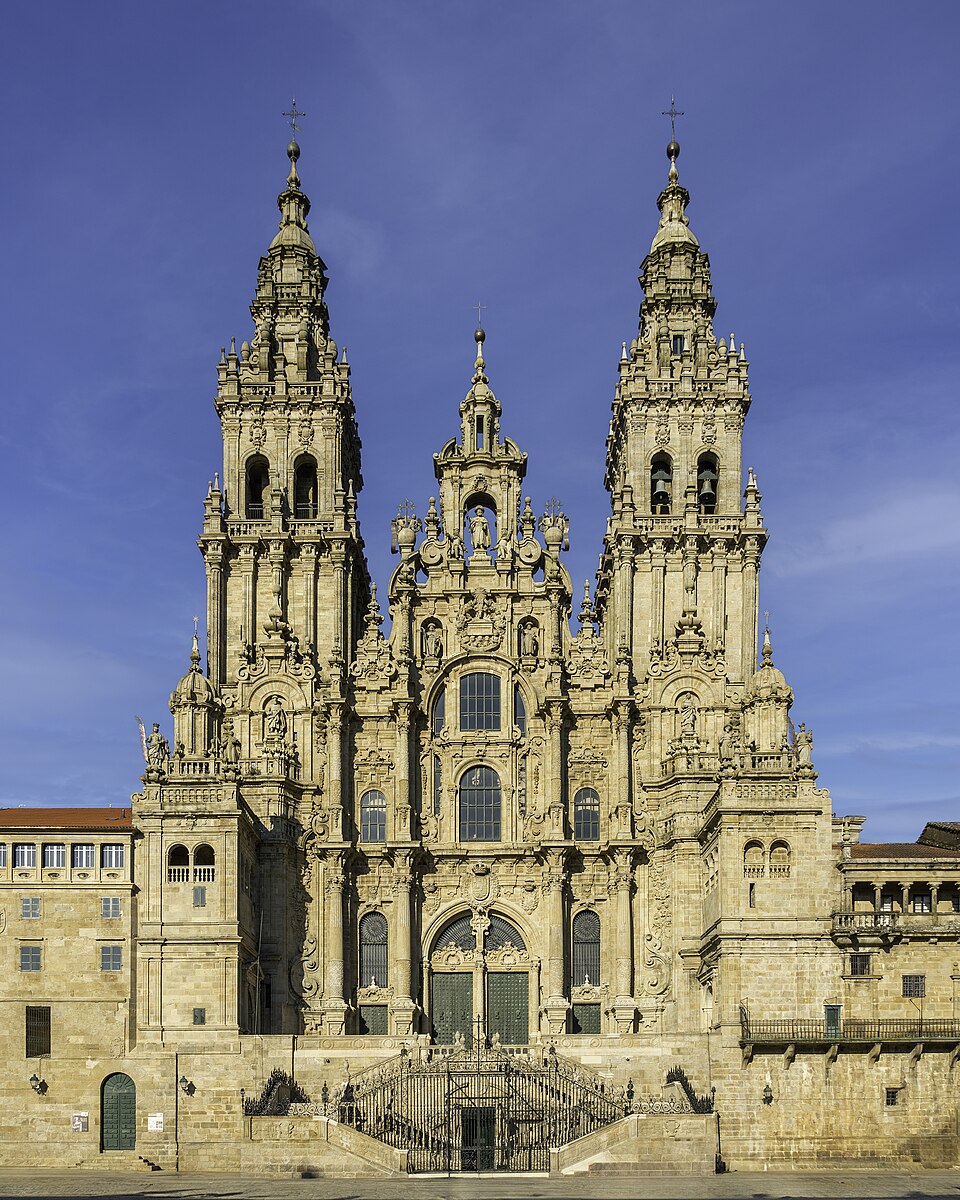
Santiago de Compostela Cathedral in northwestern Spain is the culmination point of the Camino de Santiago pilgrimage, dedicated to Saint James the Greater. Founded circa 829 CE upon the reputed discovery of Saint James’s tomb, the cathedral features Romanesque, Gothic, and Baroque architectural styles. It has served as a major medieval pilgrimage site since the Middle Ages and continues to attract millions seeking spiritual renewal. The cathedral houses the crypt containing Saint James’s relics and is a symbol of Christian heritage across Europe.
History & Origins
The Santiago de Compostela Cathedral, located in Galicia, Spain, was built between 1075 and 1211 under the reign of Alfonso VI of León and Castile, with the initial construction led by Bishop Diego Peláez. The cathedral was erected over the tomb of Saint James the Greater, which was discovered around 820 CE during the time of Bishop Theodemar of Iria. This discovery turned the site into a major Christian pilgrimage destination in medieval Europe. The Romanesque architectural style dominates the structure, featuring a Latin cross plan and a grand façade known as the Obradoiro, completed in the 18th century. The cathedral underwent significant Baroque renovations in the 17th and 18th centuries, including the addition of the ornate Pórtico de la Gloria by Master Mateo in the 12th century, which is a masterpiece of medieval sculpture. The cathedral has been a UNESCO World Heritage Site since 1985 and serves as the culmination point for the Camino de Santiago pilgrimage routes, which have been traversed since the early Middle Ages. The site suffered damages during the Napoleonic Wars but was restored extensively in the 19th century, preserving its historical and cultural significance up to the present day.
Spiritual Significance
Santiago de Compostela Cathedral is the final destination of the Camino de Santiago, a network of pilgrimage routes dating back to the 9th century, with over 300,000 pilgrims completing the journey annually. Pilgrims traditionally enter the cathedral through the Porta Santa, the Holy Door, which is opened only during Jacobean Holy Years, occurring when the feast day of Saint James, July 25, falls on a Sunday. The cathedral houses the relics of Saint James the Greater, one of Jesus Christ's apostles, whose tomb was uncovered around 820 CE and is the focal point of veneration. The pilgrimage is rooted in medieval Christian tradition, emphasizing penance and spiritual renewal, and is endorsed by the Catholic Church as a significant act of devotion. The Pórtico de la Gloria's sculptural program includes biblical scenes and representations of the apostles, reinforcing theological teachings. The cathedral also hosts the Botafumeiro, a large incense thurible swung during special liturgical celebrations to symbolize prayers rising to heaven. The site is referenced in various hagiographies and medieval codices that underline its role in Christian pilgrimage and saintly cults.
Key Facts
- •Over 300,000 pilgrims complete the Camino de Santiago each year
- •The tomb of Saint James was discovered around 820 CE
- •The cathedral was built between 1075 and 1211
- •The Botafumeiro, a giant censer weighing 53 kg, swings through the transept during special masses
- •The Camino has been a UNESCO World Heritage route since 1993
Location
Coordinates: 42.8805, -8.5446
Frequently Asked Questions
What religion is Santiago de Compostela Cathedral associated with?▾
Santiago de Compostela Cathedral is a Christianity holy site located in Spain. It was established c. 829 CE and is ranked #15 in our global directory of sacred sites.
When was Santiago de Compostela Cathedral established?▾
Santiago de Compostela Cathedral dates back to c. 829 CE. Over 300,000 pilgrims complete the Camino de Santiago each year
How many people visit Santiago de Compostela Cathedral each year?▾
Santiago de Compostela Cathedral receives approximately 3+ million visitors per year. The tomb of Saint James was discovered around 820 CE
What is Santiago de Compostela Cathedral known for?▾
The destination of the Camino de Santiago, one of the world's greatest pilgrimages. Visitors come seeking pilgrimage, forgiveness, healing, spiritual enlightenment. The cathedral was built between 1075 and 1211
Related Holy Sites
Sacred places connected by country, religion, and purpose
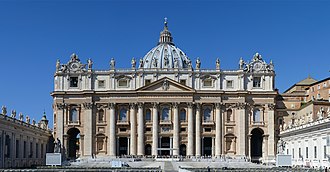
⛪Vatican City (St. Peter's Basilica)
The spiritual center of Roman Catholicism and home of the Pope.
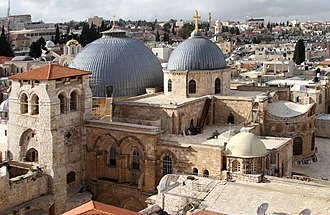
✝️Church of the Holy Sepulchre
The site where Jesus was crucified, buried, and resurrected.