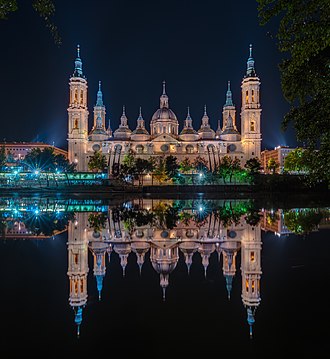
🙏 Basilica of Our Lady of the Pillar (El Pilar)
Spain
About This Sacred Site
The Basilica of Our Lady of the Pillar in Zaragoza is traditionally considered the first church dedicated to the Virgin Mary, dating back to around 40 CE. It honors the Marian apparition to Saint James the Greater, who was said to have been encouraged by Mary atop a pillar, now enshrined within the basilica. The current Baroque structure, built mainly in the 17th and 18th centuries, features grand domes and towers and houses numerous chapels with valuable artworks. It remains a central pilgrimage site in Spain, symbolizing Marian devotion.
History & Origins
Traditionally established around 40 CE, the basilica commemorates what is considered the first Marian apparition, in which the Virgin Mary appeared to Apostle James while he preached in Hispania. The foundational jasper pillar, believed to have been miraculously delivered from the Holy Land, remains immovable in its original location beneath the main altar. Construction of the current Baroque basilica began in 1681 under architect Francisco Herrera the Younger and was completed in the late 17th century, with significant expansions continuing into the 18th century. Two unexploded bombs from the Spanish Civil War remain embedded in its walls, testifying to its endurance during conflict. The basilica underwent restoration in the 20th century to preserve its polychrome dome and frescoes by Goya, who painted the interior ceiling in 1774. It has served as a pilgrimage destination for centuries, especially during the Fiestas del Pilar held annually on October 12, attracting thousands from across Spain and Latin America.
Spiritual Significance
The basilica is venerated as the site of the Virgin Mary’s first apparition, giving rise to the devotion to Our Lady of the Pillar, which is deeply embedded in Spanish Marian theology and local liturgical calendars. Pilgrims engage in the Rosary prayer before the original jasper pillar, which is believed to possess miraculous healing properties. The annual Fiestas del Pilar includes the offering of flowers and the traditional 'Ofrenda de Flores,' where thousands dress in regional costumes to honor Mary. The basilica holds a prominent place in the liturgical celebration of the Assumption of Mary and the Feast of Our Lady of the Pillar, recognized by the Roman Catholic Church as a key Marian feast day. The basilica's treasury contains numerous votive offerings, including military banners and royal gifts, emphasizing its role in intercessory prayer for protection. Spiritual leaders such as St. John of the Cross have referenced the apparition at El Pilar in their mystical writings, underscoring its theological significance within Spanish Catholicism.
Key Facts
- •Tradition holds this is the first Marian apparition, occurring in 40 CE during Mary's lifetime
- •The jasper pillar has never been moved from its original location
- •Two unexploded bombs from the Spanish Civil War are displayed inside the basilica
- •The Fiestas del Pilar in October is one of Spain's largest religious celebrations
- •Goya painted frescoes in the ceiling of the Regina Martyrum dome
Location
Coordinates: 41.6572, -0.8789
Frequently Asked Questions
What religion is Basilica of Our Lady of the Pillar (El Pilar) associated with?▾
Basilica of Our Lady of the Pillar (El Pilar) is a Christianity holy site located in Spain. It was established c. 40 CE (traditional) and is ranked #165 in our global directory of sacred sites.
When was Basilica of Our Lady of the Pillar (El Pilar) established?▾
Basilica of Our Lady of the Pillar (El Pilar) dates back to c. 40 CE (traditional). Tradition holds this is the first Marian apparition, occurring in 40 CE during Mary's lifetime
How many people visit Basilica of Our Lady of the Pillar (El Pilar) each year?▾
Basilica of Our Lady of the Pillar (El Pilar) receives approximately 2 million visitors per year. The jasper pillar has never been moved from its original location
What is Basilica of Our Lady of the Pillar (El Pilar) known for?▾
A Baroque basilica in Zaragoza housing the pillar on which the Virgin Mary is said to have appeared. Visitors come seeking miracles, healing, protection, pilgrimage. Two unexploded bombs from the Spanish Civil War are displayed inside the basilica
Related Holy Sites
Sacred places connected by country, religion, and purpose
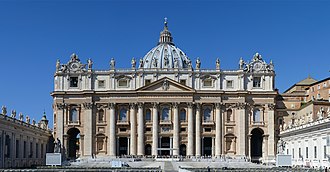
⛪Vatican City (St. Peter's Basilica)
The spiritual center of Roman Catholicism and home of the Pope.
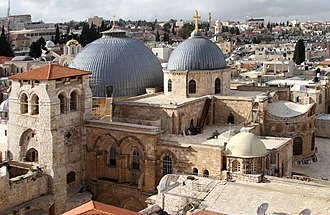
✝️Church of the Holy Sepulchre
The site where Jesus was crucified, buried, and resurrected.