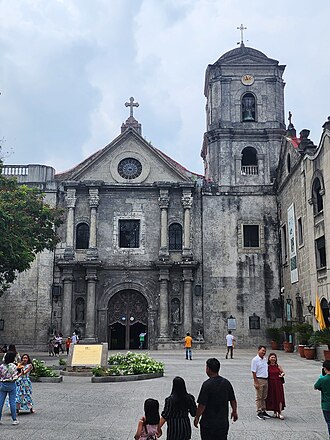
⛪ San Agustin Church (Manila)
Philippines
About This Sacred Site
San Agustin Church, nestled within Manila's historic Intramuros district, is the Philippines' oldest stone church, completed in 1607. Renowned for its Baroque architecture, the church features intricate trompe-l'œil murals, massive buttresses, and a vaulted ceiling painted with biblical scenes. It has withstood multiple earthquakes and World War II bombings, preserving its original structure. Designated a UNESCO World Heritage Site, San Agustin Church remains an active place of worship and a repository of Philippine colonial history, reflecting Spanish missionary influence and local craftsmanship over four centuries.
History & Origins
Completed in 1607 by Augustinian friars, San Agustin Church in Manila is the oldest stone church in the Philippines, constructed under the supervision of Juan Macías, a Spanish friar. It is located inside the historic walled city of Intramuros, serving as a critical religious and cultural site during Spanish colonial rule. The church's Baroque architecture features intricate trompe-l’oeil murals and a fortress-like structure designed to withstand earthquakes, which it notably survived during the 1645 and 1880 tremors. San Agustin was designated a UNESCO World Heritage Site in 1993 as part of the Baroque Churches of the Philippines, highlighting its outstanding architectural and historical value. The church houses the tombs of notable figures such as Miguel López de Legazpi, the first governor-general of the Philippines. It was extensively restored in the 1970s to repair damage caused by World War II bombings, preserving its original facade and interior. The adjacent monastery complex is one of the oldest in the country, continuing to serve as a residence for Augustinian friars.
Spiritual Significance
San Agustin Church functions as a vital center for Catholic worship and pilgrimage, especially during Holy Week and the feast of Saint Augustine on August 28. The church is known for its traditional Latin Mass ceremonies, adhering to pre-Vatican II liturgical practices. Pilgrims often visit to venerate relics of Saint Augustine and to pray before the church’s original altar, which reflects Counter-Reformation theological emphases on the Eucharist. The church's role in Filipino Catholic identity is reinforced through its hosting of novenas and processions that follow the Roman Missal and the Philippine liturgical calendar. The complex also facilitates catechism classes rooted in the teachings of the Council of Trent, emphasizing doctrinal orthodoxy. The preservation of the church’s baroque organ allows for liturgical music integral to Mass, drawing on Gregorian chant traditions. San Agustin remains an active site for sacramental rites including baptisms, weddings, and confirmations, linking centuries of faith practice to contemporary Filipino Catholic life.
Key Facts
- •Completed in 1607, the oldest stone church in the Philippines
- •Part of the UNESCO World Heritage 'Baroque Churches of the Philippines' (1993)
- •Survived multiple earthquakes, fires, and the destruction of World War II
- •Features stunning trompe-l'oeil ceiling paintings by Italian artists
- •The crypt contains the remains of Spanish colonial figures including Legazpi
Location
Coordinates: 14.5889, 120.9750
Frequently Asked Questions
What religion is San Agustin Church (Manila) associated with?▾
San Agustin Church (Manila) is a Christianity holy site located in Philippines. It was established 1607 and is ranked #246 in our global directory of sacred sites.
When was San Agustin Church (Manila) established?▾
San Agustin Church (Manila) dates back to 1607. Completed in 1607, the oldest stone church in the Philippines
How many people visit San Agustin Church (Manila) each year?▾
San Agustin Church (Manila) receives approximately 500,000+ visitors per year. Part of the UNESCO World Heritage 'Baroque Churches of the Philippines' (1993)
What is San Agustin Church (Manila) known for?▾
The oldest stone church in the Philippines, a UNESCO-listed Baroque masterpiece in Intramuros. Visitors come seeking blessings, pilgrimage, healing, guidance. Survived multiple earthquakes, fires, and the destruction of World War II
Related Holy Sites
Sacred places connected by country, religion, and purpose
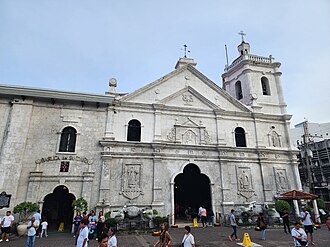
⛪Basilica del Santo Niño (Cebu)
The oldest Catholic parish in the Philippines, housing the miraculous Santo Niño figure brought by Magellan.
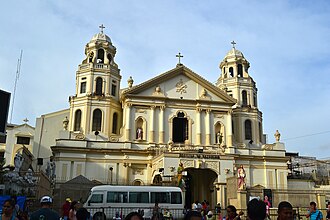
⛪Quiapo Church (Manila)
Home of the Black Nazarene, the most revered religious image in the Philippines.
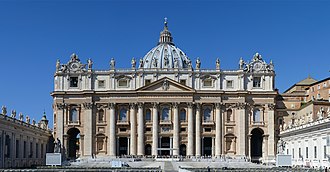
⛪Vatican City (St. Peter's Basilica)
The spiritual center of Roman Catholicism and home of the Pope.
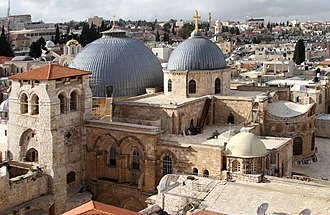
✝️Church of the Holy Sepulchre
The site where Jesus was crucified, buried, and resurrected.