⛪ Basilica del Santo Niño (Cebu)
Philippines
About This Sacred Site
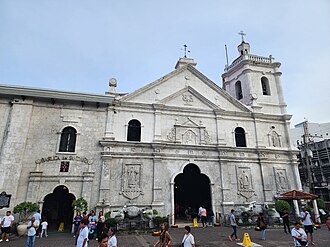
The Basilica Minore del Santo Niño in Cebu City is the oldest Roman Catholic parish in the Philippines, established in 1565. The basilica houses the Santo Niño de Cebu, a figure of the Child Jesus given by Ferdinand Magellan to Queen Juana of Cebu in 1521. The figure is believed to be miraculous and is the oldest Christian relic in the Philippines. The annual Sinulog Festival, celebrating the Santo Niño, is one of the largest religious festivals in Asia, drawing millions of devotees in a colorful street parade.
History & Origins
Founded in 1565 by Spanish conquistador Miguel López de Legazpi, the Basilica del Santo Niño in Cebu is the oldest Roman Catholic parish in the Philippines. The basilica was built to enshrine the Santo Niño de Cebu, a statue of the Child Jesus presented by Ferdinand Magellan to Queen Juana in 1521, making it the oldest Christian relic in the country. The original structure was completed in 1739 but has undergone several restorations, notably after damage from the 1897 earthquake and World War II bombings. The basilica was elevated to minor basilica status in 1965 by Pope Paul VI to commemorate its 400th anniversary. Its architecture showcases Baroque and Neo-Classical elements, with a distinctive bell tower that houses the oldest church bell in the Philippines, cast in 1725. The basilica complex includes a museum preserving artifacts related to early Catholic missions and Filipino devotion. It remains a key religious and cultural landmark on Mactan Island, reflecting the historical spread of Christianity in Southeast Asia.
Spiritual Significance
The basilica serves as the epicenter of devotion to the Santo Niño, whose image is credited with miraculous interventions in Philippine Catholicism. The annual Sinulog Festival, held every third Sunday of January, reenacts the Filipino people's acceptance of Christianity, drawing millions of devotees in rhythmic dance and prayer. Pilgrims engage in novena prayers and offer candles and flowers at the basilica, invoking protection and blessings in accordance with Catholic teachings on the intercession of saints. The Santo Niño is considered a symbol of Filipino faith resilience, with the basilica facilitating Masses according to the Roman Rite and hosting special liturgies approved by the Vatican. The relic's presence encourages veneration practices that include the recitation of the Rosary and the Litany of the Holy Child Jesus. Clergy at the basilica emphasize catechesis based on the Catechism of the Catholic Church, nurturing faith formation rooted in early Christian evangelization linked to Magellan's expedition.
Key Facts
- •The oldest Roman Catholic parish in the Philippines (1565)
- •Houses the Santo Niño figure presented by Magellan in 1521
- •The Santo Niño is the oldest Christian relic in the Philippines
- •The annual Sinulog Festival draws millions of devotees
- •The original wooden figure survived a fire that destroyed Magellan's cross shelter
Location
Coordinates: 10.2936, 123.9042
Frequently Asked Questions
What religion is Basilica del Santo Niño (Cebu) associated with?▾
Basilica del Santo Niño (Cebu) is a Christianity holy site located in Philippines. It was established 1565 and is ranked #254 in our global directory of sacred sites.
When was Basilica del Santo Niño (Cebu) established?▾
Basilica del Santo Niño (Cebu) dates back to 1565. The oldest Roman Catholic parish in the Philippines (1565)
How many people visit Basilica del Santo Niño (Cebu) each year?▾
Basilica del Santo Niño (Cebu) receives approximately 2+ million visitors per year. Houses the Santo Niño figure presented by Magellan in 1521
What is Basilica del Santo Niño (Cebu) known for?▾
The oldest Catholic parish in the Philippines, housing the miraculous Santo Niño figure brought by Magellan. Visitors come seeking miracles, healing, blessings, protection. The Santo Niño is the oldest Christian relic in the Philippines
Related Holy Sites
Sacred places connected by country, religion, and purpose
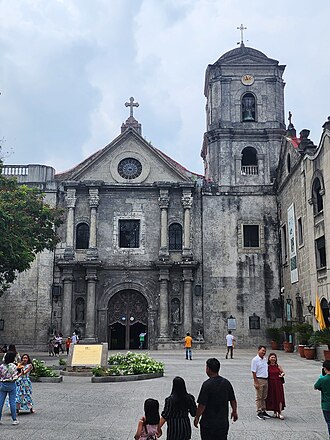
⛪San Agustin Church (Manila)
The oldest stone church in the Philippines, a UNESCO-listed Baroque masterpiece in Intramuros.
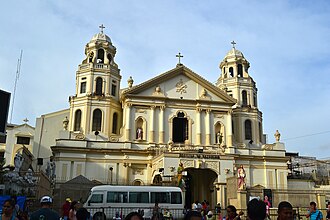
⛪Quiapo Church (Manila)
Home of the Black Nazarene, the most revered religious image in the Philippines.
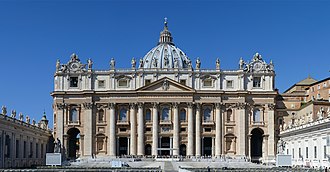
⛪Vatican City (St. Peter's Basilica)
The spiritual center of Roman Catholicism and home of the Pope.
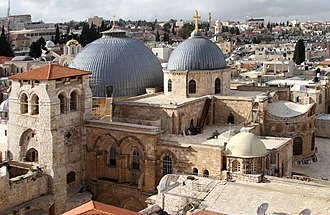
✝️Church of the Holy Sepulchre
The site where Jesus was crucified, buried, and resurrected.