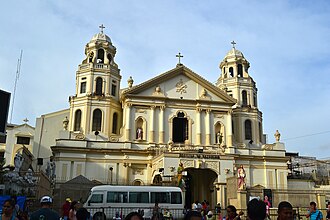
⛪ Quiapo Church (Manila)
Philippines
About This Sacred Site
The Minor Basilica of the Black Nazarene (Quiapo Church) in Manila is home to the Black Nazarene, a dark wooden sculpture of Jesus Christ carrying the cross, believed to be miraculous. The image, brought from Mexico in 1606, is the most revered religious icon in the Philippines. The annual Traslación (procession) on January 9 draws millions of barefoot devotees through the streets of Manila in one of the world's largest Catholic gatherings. Many devotees believe that touching the image can bring healing and miracles.
Spiritual Significance
Quiapo Church is renowned for housing the Black Nazarene, an image brought from Mexico in 1606, which is the focal point of the annual Traslación procession held every January 9, attracting millions of devotees who walk barefoot to demonstrate penitence and devotion. This procession commemorates the transfer of the statue from its original location to the church, embodying themes of suffering and redemption central to Catholic theology. Devotees believe that touching the Black Nazarene grants miraculous healing and favors, a practice rooted in popular Filipino Catholicism and supported by church-sanctioned blessings. The church conducts daily Masses according to the Roman Rite, with special liturgies during Lent and Holy Week emphasizing Christ's Passion as narrated in the Gospels. The devotion includes the recitation of the Stations of the Cross and the Novena to the Black Nazarene, fostering intense spiritual participation. Quiapo Church is also a center for charitable activities inspired by the teachings of Jesus on compassion, reflecting its role in social as well as religious dimensions of faith. The local clergy promotes catechesis based on the Catechism of the Catholic Church, encouraging a deeper understanding of suffering and salvation.
Key Facts
- •The Black Nazarene image was brought from Mexico in 1606
- •The annual Traslación procession on January 9 draws millions of devotees
- •Devotees walk barefoot and believe touching the image brings healing
- •Friday masses dedicated to the Black Nazarene draw tens of thousands
- •The image survived fires and earthquakes, reinforcing belief in its miraculous nature
Location
Coordinates: 14.5992, 120.9839
Frequently Asked Questions
What religion is Quiapo Church (Manila) associated with?▾
Quiapo Church (Manila) is a Christianity holy site located in Philippines. It was established 1588 (church), 1606 (Black Nazarene) and is ranked #321 in our global directory of sacred sites.
When was Quiapo Church (Manila) established?▾
Quiapo Church (Manila) dates back to 1588 (church), 1606 (Black Nazarene). The Black Nazarene image was brought from Mexico in 1606
How many people visit Quiapo Church (Manila) each year?▾
Quiapo Church (Manila) receives approximately 5+ million visitors per year. The annual Traslación procession on January 9 draws millions of devotees
What is Quiapo Church (Manila) known for?▾
Home of the Black Nazarene, the most revered religious image in the Philippines. Visitors come seeking miracles, healing, protection, blessings. Devotees walk barefoot and believe touching the image brings healing
Related Holy Sites
Sacred places connected by country, religion, and purpose
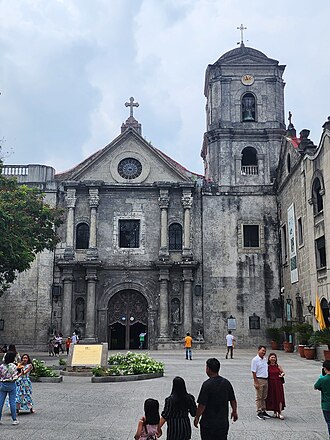
⛪San Agustin Church (Manila)
The oldest stone church in the Philippines, a UNESCO-listed Baroque masterpiece in Intramuros.
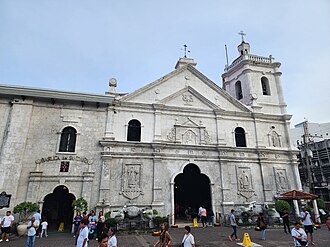
⛪Basilica del Santo Niño (Cebu)
The oldest Catholic parish in the Philippines, housing the miraculous Santo Niño figure brought by Magellan.
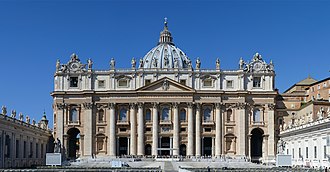
⛪Vatican City (St. Peter's Basilica)
The spiritual center of Roman Catholicism and home of the Pope.
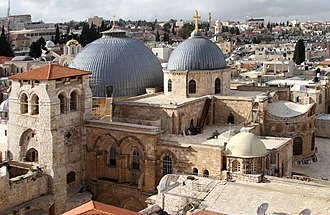
✝️Church of the Holy Sepulchre
The site where Jesus was crucified, buried, and resurrected.