
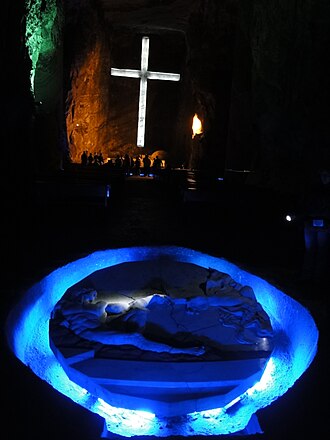
⛪ Salt Cathedral of Zipaquirá
Colombia
About This Sacred Site
The Salt Cathedral of Zipaquirá is an underground Roman Catholic church excavated from a halite (rock salt) mine 200 meters below the surface in Zipaquirá, north of Bogotá. The current cathedral, inaugurated in 1995 to replace an earlier chapel, features a nave capable of holding 8,400 people, with massive salt pillars, a salt cross illuminated by LED lights, and Stations of the Cross carved into the salt walls. The Muisca indigenous people originally mined salt here for centuries before Spanish colonization.
Spiritual Significance
Located 200 meters underground inside an active halite mine, the cathedral serves as a place of worship for miners and visitors, blending Christian symbolism with mining heritage. The main nave, capable of holding up to 8,400 people, is carved directly from the salt rock and features illuminated salt crystal chandeliers, creating a unique sacred atmosphere. The cathedral includes Stations of the Cross sculpted in salt, allowing pilgrims to meditate on Christ's Passion in an immersive subterranean environment. Regular liturgical celebrations follow the Roman Catholic calendar, with special Holy Week services drawing thousands who descend the mine’s tunnels for Mass and Eucharist. The cathedral’s construction began with a miners’ chapel in 1954, and the current structure opened in 1995 after extensive engineering by the Colombian Geological Service. It is dedicated to Our Lady of Rosary and includes a large salt-carved statue of Christ on the Cross. Pilgrims often bring salt from the mine as a symbol of purification and preservation, echoing Matthew 5:13’s reference to Christians as the "salt of the earth." The cathedral also hosts cultural events emphasizing the connection between faith and labor.
Key Facts
- •Located 200 meters underground within an active salt mine
- •The main nave can hold up to 8,400 people
- •The original salt chapel was built by miners in 1954; the current cathedral opened in 1995
- •The Muisca people mined salt at this site for centuries before Spanish contact
- •Voted Colombia's first wonder in a national poll and attracts more tourists than any other site in the country
Location
Coordinates: 5.0186, -73.9878
Frequently Asked Questions
What religion is Salt Cathedral of Zipaquirá associated with?▾
Salt Cathedral of Zipaquirá is a Christianity holy site located in Colombia. It was established 1995 (original chapel 1954) and is ranked #795 in our global directory of sacred sites.
When was Salt Cathedral of Zipaquirá established?▾
Salt Cathedral of Zipaquirá dates back to 1995 (original chapel 1954). Located 200 meters underground within an active salt mine
How many people visit Salt Cathedral of Zipaquirá each year?▾
Salt Cathedral of Zipaquirá receives approximately 600,000 visitors per year. The main nave can hold up to 8,400 people
What is Salt Cathedral of Zipaquirá known for?▾
An underground Catholic church built within an active salt mine 200 meters below the surface. Visitors come seeking spiritual enlightenment, blessings, pilgrimage, peace. The original salt chapel was built by miners in 1954; the current cathedral opened in 1995
Related Holy Sites
Sacred places connected by country, religion, and purpose
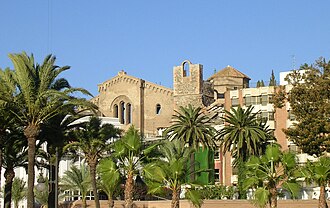
⛪Cathedral of Cartagena
A 16th-century cathedral in the heart of Cartagena's UNESCO-listed walled city.
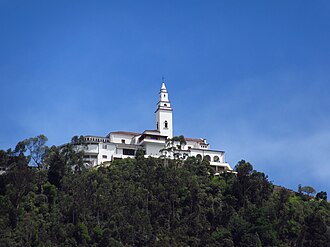
⛪Monserrate Sanctuary (Bogotá)
A hilltop sanctuary above Bogotá at 3,152 meters, venerating a miracle-working crucifix.
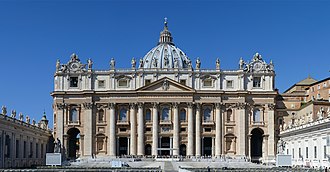
⛪Vatican City (St. Peter's Basilica)
The spiritual center of Roman Catholicism and home of the Pope.
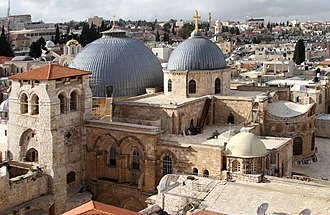
✝️Church of the Holy Sepulchre
The site where Jesus was crucified, buried, and resurrected.
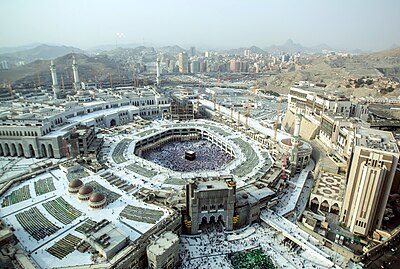
🕋Masjid al-Haram (Great Mosque of Mecca)
The holiest site in Islam, home of the Kaaba, and the destination for Hajj pilgrimage.
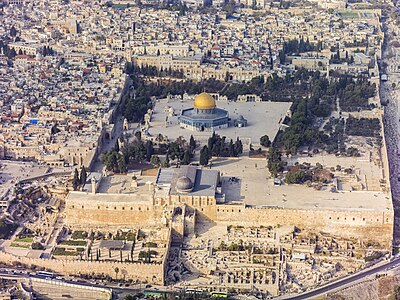
🕌Temple Mount / Al-Aqsa (Jerusalem)
Sacred to Judaism, Christianity, and Islam — the most contested holy site on Earth.

