⛪ Cathedral of Cartagena
Colombia
About This Sacred Site
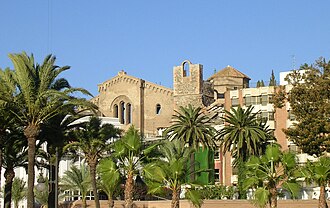
The Cathedral Basilica of St. Catherine of Alexandria stands in the historic walled center of Cartagena de Indias, a UNESCO World Heritage Site. Originally constructed between 1577 and 1612, the cathedral was partly destroyed by Sir Francis Drake's raid in 1586 and subsequently rebuilt. Its austere stone exterior contrasts with a richly decorated interior featuring a gilded altar, wooden balconies, and colonial-era paintings. The cathedral has served as the spiritual center of Cartagena for over four centuries.
History & Origins
Construction of the cathedral began in 1577 under the direction of Spanish colonial authorities to serve the growing Catholic population of Cartagena de Indias. The building was completed in 1612, making it one of the oldest episcopal seats in the Americas. The cathedral was partially destroyed during the 1586 raid by English privateer Sir Francis Drake, who bombarded the city, necessitating extensive reconstruction in the following decades. Its architecture exhibits Renaissance and Baroque elements, including a fortress-like façade designed to withstand pirate attacks. Located within Cartagena’s UNESCO-listed walled city, the cathedral sits adjacent to the Plaza de la Aduana, the oldest square in the city. Over the 18th century, the cathedral underwent modifications including the addition of a bell tower and ornate altarpieces crafted by colonial artisans. It remains the seat of the Archdiocese of Cartagena and is protected as a national monument by Colombia’s Ministry of Culture.
Spiritual Significance
The cathedral functions as the primary venue for major Catholic ceremonies in Cartagena, including the annual Feast of the Immaculate Conception on December 8, which features processions carrying statues of the Virgin Mary through the walled city streets. It houses relics of Saint Peter Claver, the patron saint of slaves, whose ministry in Cartagena in the 17th century emphasized social justice and compassion, reflected in the cathedral’s emphasis on liberation theology. The Eucharistic celebrations incorporate readings from the Latin American Catholic liturgy and include traditional chants derived from the colonial era. Pilgrims visiting the cathedral often participate in the Novena to Saint Peter Claver, seeking intercession for healing and social causes. The cathedral’s chapels contain murals depicting the life of Christ and the Virgin Mary, reinforcing Catholic doctrinal teachings on salvation and grace. It serves as a spiritual anchor for Cartagena’s diverse Catholic community and a symbol of resilience against colonial-era conflicts.
Key Facts
- •Construction began in 1577 and the cathedral was completed in 1612
- •Partially destroyed by Sir Francis Drake during his raid on Cartagena in 1586
- •Located within the UNESCO-listed historic walled city of Cartagena
- •The bell tower was originally a watchtower used for defense against pirates
- •Houses colonial-era paintings and a gilded high altar
Location
Coordinates: 10.4236, -75.5510
Frequently Asked Questions
What religion is Cathedral of Cartagena associated with?▾
Cathedral of Cartagena is a Christianity holy site located in Colombia. It was established 1612 and is ranked #390 in our global directory of sacred sites.
When was Cathedral of Cartagena established?▾
Cathedral of Cartagena dates back to 1612. Construction began in 1577 and the cathedral was completed in 1612
How many people visit Cathedral of Cartagena each year?▾
Cathedral of Cartagena receives approximately 500,000 visitors per year. Partially destroyed by Sir Francis Drake during his raid on Cartagena in 1586
What is Cathedral of Cartagena known for?▾
A 16th-century cathedral in the heart of Cartagena's UNESCO-listed walled city. Visitors come seeking blessings, protection, guidance, pilgrimage. Located within the UNESCO-listed historic walled city of Cartagena
Related Holy Sites
Sacred places connected by country, religion, and purpose
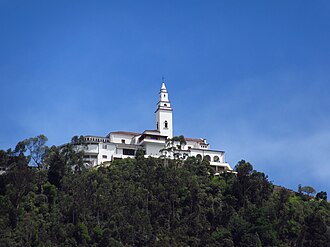
⛪Monserrate Sanctuary (Bogotá)
A hilltop sanctuary above Bogotá at 3,152 meters, venerating a miracle-working crucifix.

⛪Vatican City (St. Peter's Basilica)
The spiritual center of Roman Catholicism and home of the Pope.
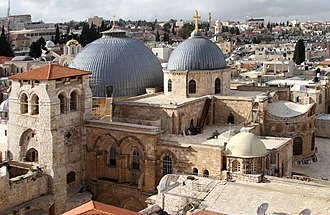
✝️Church of the Holy Sepulchre
The site where Jesus was crucified, buried, and resurrected.