🤍 Ruwanwelisaya Stupa
Sri Lanka
About This Sacred Site
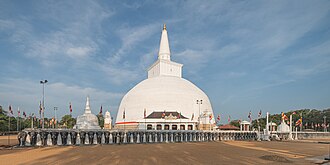
Ruwanwelisaya (also known as the Great Stupa) in Anuradhapura is one of the most venerated Buddhist monuments in Sri Lanka and the world. Built by King Dutugemunu around 140 BCE after defeating a South Indian invader, the gleaming white stupa stands 55 meters tall with a circumference of 290 meters. It is believed to enshrine relics of the Buddha. The stupa's base is surrounded by a wall of 344 elephant sculptures, and the entire structure has been meticulously maintained and restored over two millennia. Ruwanwelisaya is one of the Solosmasthana — the 16 most sacred Buddhist sites in Sri Lanka.
History & Origins
The Ruwanwelisaya Stupa was constructed by King Dutugemunu around 140 BCE following his victory over the Tamil king Elara, symbolizing the unification of Sri Lanka under Buddhism. The stupa stands approximately 55 meters tall with a circumference of 290 meters, making it one of the largest hemispherical stupas in the world. It was built to enshrine relics of the Buddha, specifically the left collarbone as per historical chronicles like the Mahavamsa. The site underwent major restoration during the reign of King Agbo II in the 19th century and again under British colonial supervision in the early 20th century. The stupa's white dome and gilded spire have been maintained through successive renovations, preserving its architectural grandeur and religious importance.
Spiritual Significance
Ruwanwelisaya is a central pilgrimage destination for Sri Lankan Buddhists who perform rituals such as offering flowers, lighting oil lamps, and chanting the Ratana Sutta around the stupa. The annual Vesak festival commemorates the Buddha’s birth, enlightenment, and parinirvana, with devotees gathering to circumambulate the stupa in clockwise direction, believed to accumulate merit. The stupa enshrines sacred relics, reinforcing its status as a dhatu stupa, a category of stupas housing relics that facilitate spiritual connection with the Buddha. The site also hosts scholarly Buddhist debates and meditation retreats, reflecting its role in preserving Theravada doctrinal purity as taught in the Pali Canon. Pilgrims often engage in vipassana meditation here, inspired by the historical presence of the Buddha's relics.
Key Facts
- •Built by King Dutugemunu around 140 BCE to celebrate victory over invaders
- •Stands 55 meters tall with a circumference of 290 meters
- •Believed to enshrine relics of the Buddha
- •The base is surrounded by a decorative wall featuring 344 elephant figures
- •One of the Solosmasthana, the 16 holiest Buddhist sites in Sri Lanka
Location
Coordinates: 8.3493, 80.3956
Frequently Asked Questions
What religion is Ruwanwelisaya Stupa associated with?▾
Ruwanwelisaya Stupa is a Buddhism holy site located in Sri Lanka. It was established c. 140 BCE and is ranked #183 in our global directory of sacred sites.
When was Ruwanwelisaya Stupa established?▾
Ruwanwelisaya Stupa dates back to c. 140 BCE. Built by King Dutugemunu around 140 BCE to celebrate victory over invaders
How many people visit Ruwanwelisaya Stupa each year?▾
Ruwanwelisaya Stupa receives approximately 500,000+ visitors per year. Stands 55 meters tall with a circumference of 290 meters
What is Ruwanwelisaya Stupa known for?▾
One of the oldest and most revered stupas in the Buddhist world, enshrining relics of the Buddha. Visitors come seeking pilgrimage, blessings, peace, purification. Believed to enshrine relics of the Buddha
Related Holy Sites
Sacred places connected by country, religion, and purpose
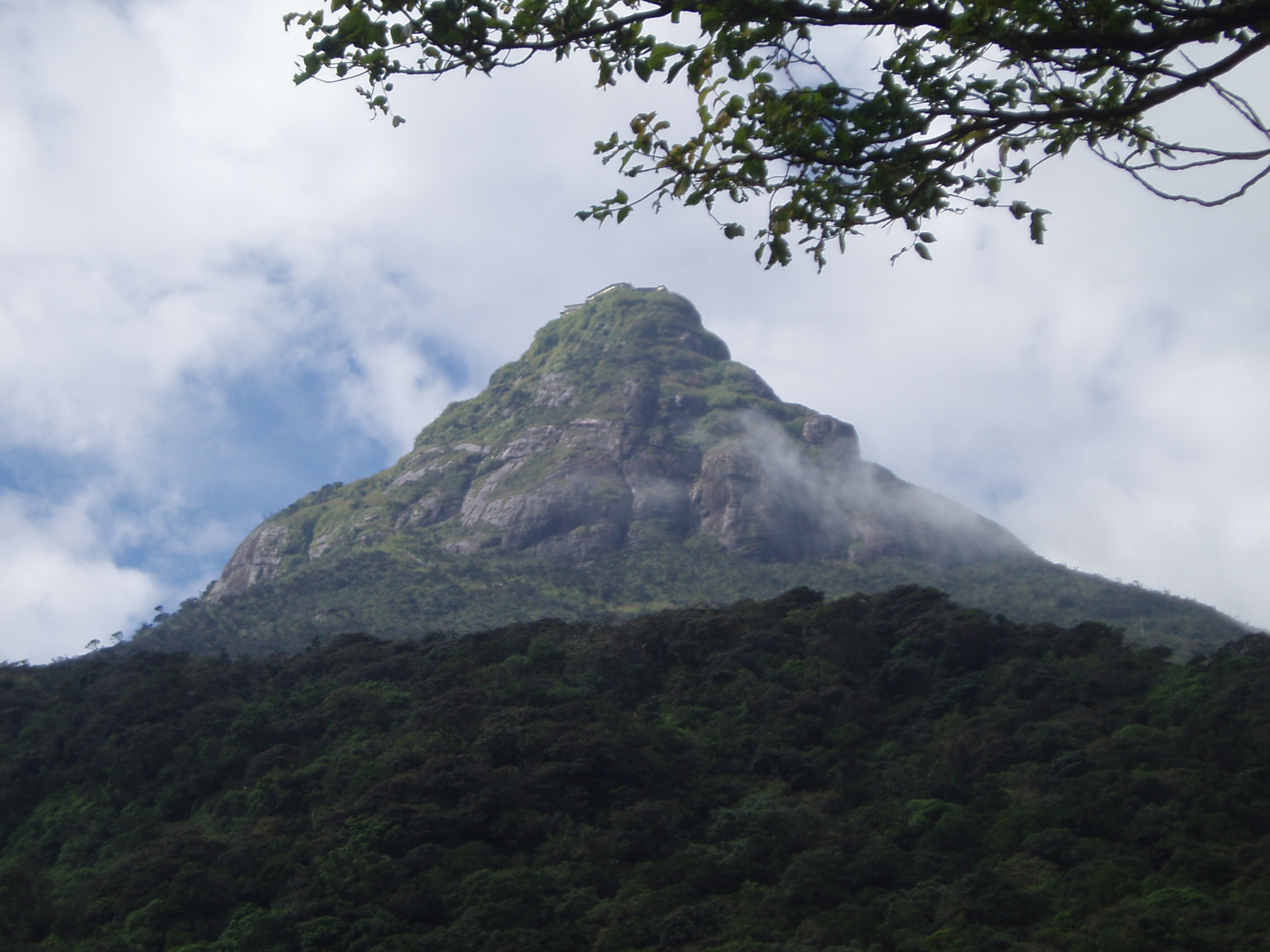
👣Sri Pada (Adam's Peak)
A sacred mountain with a footprint revered by four different religions.
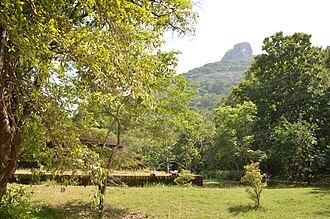
🌳Anuradhapura Sacred City
Sri Lanka's first ancient capital, home to the world's oldest known tree planted by humans.
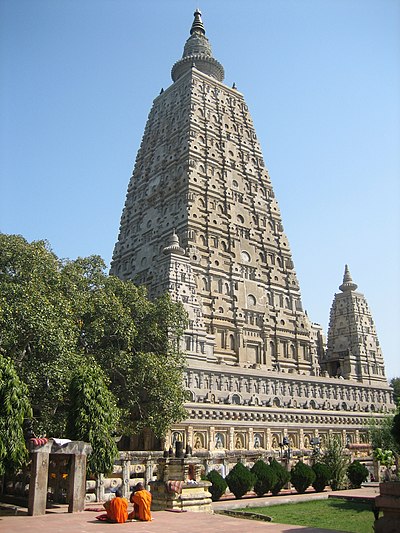
☸️Bodh Gaya (Mahabodhi Temple)
Where Siddhartha Gautama attained enlightenment and became the Buddha.
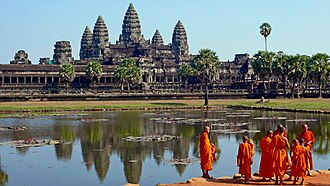
🛕Angkor Wat
The largest religious monument in the world, originally Hindu then Buddhist.