
⛪ Roskilde Cathedral
Denmark
About This Sacred Site
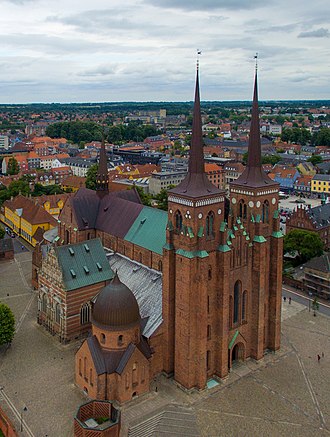
Roskilde Cathedral in Denmark is a pioneering Gothic brick cathedral constructed between the late 12th and late 13th centuries. It was Scandinavia’s first Gothic cathedral built in brick, setting architectural standards for the Baltic region. Serving as the main burial site for Danish monarchs, the cathedral is renowned for its royal tombs, including those of Margrethe I and Christian IV. Its twin spires and elaborate façade are distinctive features, while the interior contains exquisite medieval frescoes and Renaissance art. Roskilde Cathedral remains a vital religious center and a UNESCO World Heritage Site recognized for its historical and architectural significance.
History & Origins
Founded around 1170 and completed by circa 1280, this cathedral was commissioned by King Valdemar I of Denmark and Archbishop Absalon, marking Scandinavia's first adoption of Gothic architecture through the pioneering Brick Gothic style. The cathedral underwent major expansions during the reign of King Christian IV in the early 17th century, including the addition of the Baroque chapels. It serves as the burial site for 39 Danish monarchs, beginning with King Harald Bluetooth, whose remains were reinterred here in the 17th century. A UNESCO World Heritage site since 1995, the cathedral's twin towers were rebuilt in the 19th century after fire damage. The crypt contains royal tombs dating back to the 12th century, and the cathedral's stained glass windows include examples from the medieval period and the 20th century restoration. The site has played a central role in Danish royal ceremonies, including coronations and funerals, throughout its history.
Spiritual Significance
The cathedral functions as the principal church of the Diocese of Roskilde within the Evangelical Lutheran Church of Denmark, hosting significant liturgical events such as the annual Royal Memorial Service and the Feast of St. Canute celebrated on January 10. The burial of monarchs within the cathedral links the monarchy to divine sanction, emphasizing the theological doctrine of the divine right of kings as taught by Lutheran reformers like Niels Hemmingsen. Pilgrims visit the royal crypt to pay respects, particularly during national commemorations, underscoring the cathedral's role in intertwining national identity with Christian faith. The cathedral's liturgy incorporates readings from the Danish translation of the Bible by Hans Poulsen Resen, reflecting Denmark's Reformation heritage. The site holds regular ecumenical services, promoting unity within the Scandinavian Lutheran tradition. Its Gothic architecture is interpreted spiritually as elevating worshippers' gaze heavenward, consistent with medieval theological symbolism of light and stone.
Key Facts
- •Scandinavia's first Gothic cathedral, pioneering the Brick Gothic style in northern Europe
- •39 Danish kings and queens are buried within the cathedral
- •Inscribed as a UNESCO World Heritage Site in 1995
- •The clock features a mechanical St. George slaying a dragon on the hour
- •Chapels were added over five centuries, creating a timeline of European architectural styles
Location
Coordinates: 55.6432, 12.0803
Frequently Asked Questions
What religion is Roskilde Cathedral associated with?▾
Roskilde Cathedral is a Christianity holy site located in Denmark. It was established c. 1170 (completed c. 1280) and is ranked #360 in our global directory of sacred sites.
When was Roskilde Cathedral established?▾
Roskilde Cathedral dates back to c. 1170 (completed c. 1280). Scandinavia's first Gothic cathedral, pioneering the Brick Gothic style in northern Europe
How many people visit Roskilde Cathedral each year?▾
Roskilde Cathedral receives approximately 250,000 visitors per year. 39 Danish kings and queens are buried within the cathedral
What is Roskilde Cathedral known for?▾
Scandinavia's first Gothic cathedral, burial place of Danish monarchs for over 600 years. Visitors come seeking ancestral connection, pilgrimage, blessings, guidance. Inscribed as a UNESCO World Heritage Site in 1995
Related Holy Sites
Sacred places connected by country, religion, and purpose
⛪Vatican City (St. Peter's Basilica)
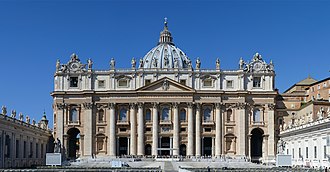
The spiritual center of Roman Catholicism and home of the Pope.
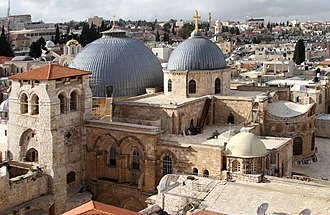
✝️Church of the Holy Sepulchre
The site where Jesus was crucified, buried, and resurrected.
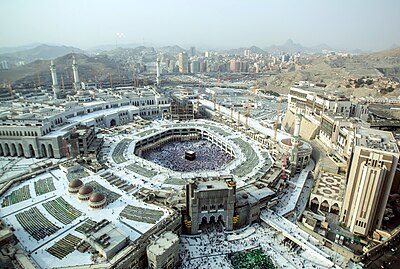
🕋Masjid al-Haram (Great Mosque of Mecca)
The holiest site in Islam, home of the Kaaba, and the destination for Hajj pilgrimage.

🕌Temple Mount / Al-Aqsa (Jerusalem)
Sacred to Judaism, Christianity, and Islam — the most contested holy site on Earth.

