⛪ Church of Our Saviour (Copenhagen)
Denmark
About This Sacred Site
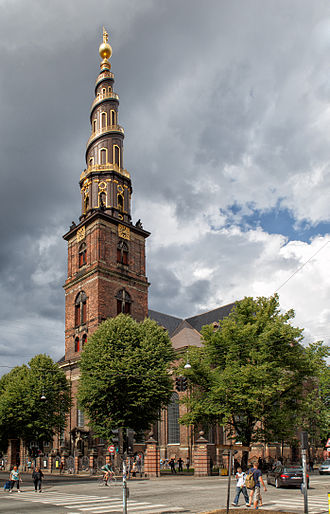
The Church of Our Saviour (Vor Frelsers Kirke) in Copenhagen, Denmark, is a Baroque church completed in 1695. It is renowned for its distinctive corkscrew-shaped external spire, which offers panoramic views of the city to visitors who climb its 400-step staircase. The church’s interior is richly decorated with gilded woodwork and houses a famous carillon from the 18th century. Serving the Christianshavn district, it has historically played a central role in local religious life. The spire’s unique architecture and the church’s acoustics have made it a popular venue for concerts and ceremonies, underpinning its cultural as well as spiritual significance.
History & Origins
Completed in 1695 under the direction of architect Lambert van Haven, the church was commissioned by King Christian V as a baroque place of worship in Copenhagen. The iconic external spiral spire, added in 1752 by architect Laurids de Thurah, rises to 90 meters and features a 400-step external staircase winding around its corkscrew form. The church was built on the site of an earlier chapel dating from 1670, replacing it to accommodate the growing population of Christianshavn district. In 1807, during the Battle of Copenhagen, the church suffered minor damage from British bombardment but was quickly restored. The spire's golden globe, added during the 18th century, serves as a landmark visible throughout the city. The church underwent significant interior restoration in the late 19th century, preserving its original baroque altarpiece and pulpit. It remains an active parish church within the Church of Denmark.
Spiritual Significance
As a Lutheran church, it hosts the traditional Danish liturgical calendar, including the annual Ascension Day procession ascending the spiral spire, symbolizing Christ's ascent to heaven as described in Acts 1:9-11. The external staircase allows worshippers to physically enact a pilgrimage-like ascent during certain festivals, embodying spiritual elevation. The church is the site of confirmation classes and baptismal rites emphasizing Lutheran sacraments as outlined in Martin Luther's Small Catechism. The spire's visibility throughout Copenhagen serves as a daily reminder of faith for residents, aligning with the Lutheran emphasis on faith in daily life. The church holds a special service on St. Hans Day (Midsummer Eve), incorporating bonfires and hymns, blending Christian and Nordic seasonal traditions. Clergy sermons often reference the Epistles of Paul, reinforcing doctrinal teaching central to Danish Lutheranism.
Key Facts
- •Completed in 1695, with the famous spiral spire added in 1752
- •The external spiral staircase has 400 steps winding to the top of the 90-meter spire
- •Legend says the architect Lauritz de Thurah threw himself from the top when he realized the spiral wound the wrong way — though this is apocryphal
- •The carillon of 48 bells is the largest in northern Europe
- •The ornate Baroque interior features a monumental organ and marble altar
Location
Coordinates: 55.6717, 12.5928
Frequently Asked Questions
What religion is Church of Our Saviour (Copenhagen) associated with?▾
Church of Our Saviour (Copenhagen) is a Christianity holy site located in Denmark. It was established 1695 and is ranked #619 in our global directory of sacred sites.
When was Church of Our Saviour (Copenhagen) established?▾
Church of Our Saviour (Copenhagen) dates back to 1695. Completed in 1695, with the famous spiral spire added in 1752
How many people visit Church of Our Saviour (Copenhagen) each year?▾
Church of Our Saviour (Copenhagen) receives approximately 300,000 visitors per year. The external spiral staircase has 400 steps winding to the top of the 90-meter spire
What is Church of Our Saviour (Copenhagen) known for?▾
A Baroque church in Copenhagen famous for its external spiral staircase winding to the top of the spire. Visitors come seeking blessings, guidance, peace, spiritual enlightenment. Legend says the architect Lauritz de Thurah threw himself from the top when he realized the spiral wound the wrong way — though this is apocryphal
Related Holy Sites
Sacred places connected by country, religion, and purpose
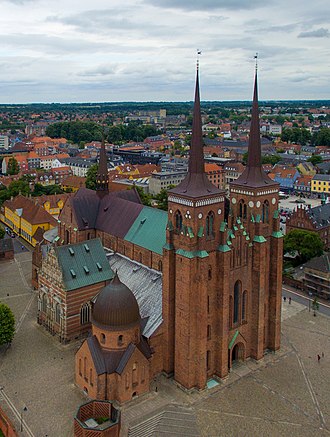
⛪Roskilde Cathedral
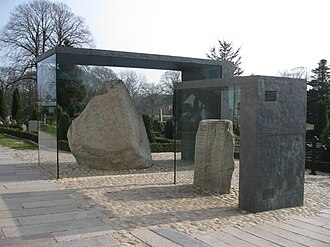
Scandinavia's first Gothic cathedral, burial place of Danish monarchs for over 600 years.
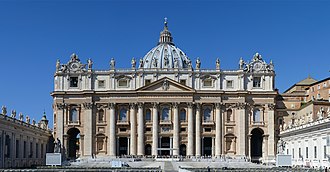
⛪Vatican City (St. Peter's Basilica)
The spiritual center of Roman Catholicism and home of the Pope.
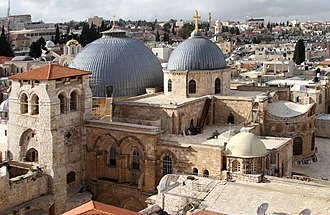
✝️Church of the Holy Sepulchre
The site where Jesus was crucified, buried, and resurrected.