
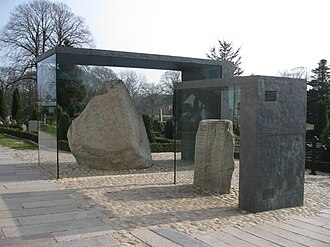
🪨 Jelling Stones and Church
Denmark
About This Sacred Site
The Jelling Stones are two large rune stones situated in Jelling, Denmark, with the larger stone standing approximately 2.42 meters tall and weighing an estimated 10 tons. Raised by King Harald Bluetooth around 965 CE, the granite monolith features intricate carvings including a depiction of Christ in a cruciform pose, making it one of the earliest known Christian symbols in Scandinavia. The smaller stone, erected by Harald's parents, Gorm the Old and Thyra, measures about 1.65 meters in height and contains runic inscriptions commemorating their reign. Both stones are set within a churchyard near a 12th-century stone church, surrounded by burial mounds and a royal enclosure. The site’s craftsmanship reflects a transitional period from Viking paganism to Christianity, with runes inscribed in the Younger Futhark alphabet. The stones are constructed from locally sourced granite, showcasing Viking Age stonemasonry skills.
History & Origins
The Jelling site originated in the mid-10th century with King Gorm the Old erecting the smaller stone as a memorial to his wife Thyra. Later, his son Harald Bluetooth raised the larger stone around 965 to honor his parents and proclaim his conquest and Christianization of Denmark. These stones represent a key moment in Denmark’s transition from paganism to Christianity and the consolidation of royal power. The area also includes two large burial mounds and the remains of a wooden church, later replaced by stone churches during the Middle Ages. Excavations have revealed the site’s importance as a religious and political center, making it a vital heritage site that encapsulates Viking era history and early Christianity in Scandinavia.
Spiritual Significance
Regarded as 'Denmark's birth certificate,' the larger stone's inscription marks the unification of Denmark and the Christianization of the kingdom under King Harald Bluetooth, reflecting the political and religious shift around 965 CE. The site symbolizes the melding of Norse pagan traditions with Christianity, as seen in the juxtaposition of runic inscriptions and Christian iconography, aligning with the medieval church's efforts to convert Scandinavia. Annual commemorative ceremonies take place on June 24, St. John's Day, reflecting syncretism between Christian and earlier solstice celebrations. The stones are focal points for pilgrimage, especially during the Jelling Music Festival where spiritual heritage is celebrated alongside cultural events. The runic texts invoke blessings and assert Harald's divine right to rule, echoing themes from the Old Testament's Kings narratives. The adjacent church remains active in Lutheran worship, linking the ancient inscriptions to contemporary faith practices.
Key Facts
- •The larger stone was raised by King Harald Bluetooth around 965 CE
- •It is often called 'Denmark's birth certificate' — the first record using the name Denmark
- •Bears the oldest known depiction of Christ in Scandinavia
- •The Bluetooth wireless technology is named after King Harald Bluetooth
- •Inscribed as a UNESCO World Heritage Site in 1994
Location
Coordinates: 55.7548, 9.4196
Frequently Asked Questions
What religion is Jelling Stones and Church associated with?▾
Jelling Stones and Church is a Multi-faith holy site located in Denmark. It was established c. 965 and is ranked #156 in our global directory of sacred sites.
When was Jelling Stones and Church established?▾
Jelling Stones and Church dates back to c. 965. The larger stone was raised by King Harald Bluetooth around 965 CE
How many people visit Jelling Stones and Church each year?▾
Jelling Stones and Church receives approximately 200,000 visitors per year. It is often called 'Denmark's birth certificate' — the first record using the name Denmark
What is Jelling Stones and Church known for?▾
Runic stones from the 10th century marking Denmark's transition from Norse paganism to Christianity. Visitors come seeking ancestral connection, spiritual enlightenment, guidance, pilgrimage. Bears the oldest known depiction of Christ in Scandinavia
Related Holy Sites
Sacred places connected by country, religion, and purpose
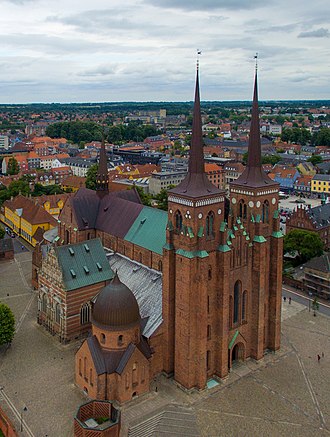
⛪Roskilde Cathedral
Scandinavia's first Gothic cathedral, burial place of Danish monarchs for over 600 years.
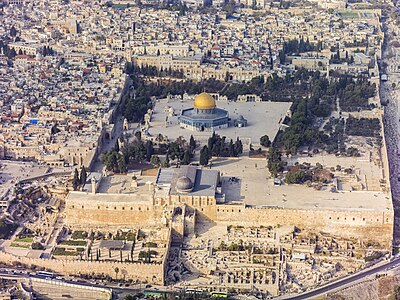
🕌Temple Mount / Al-Aqsa (Jerusalem)
Sacred to Judaism, Christianity, and Islam — the most contested holy site on Earth.
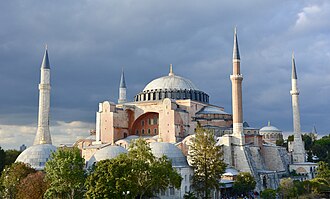
🏛️Hagia Sophia
A masterpiece that served as cathedral, mosque, and museum across centuries.
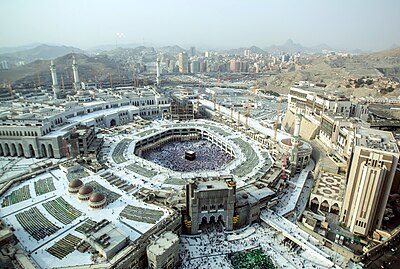
🕋Masjid al-Haram (Great Mosque of Mecca)
The holiest site in Islam, home of the Kaaba, and the destination for Hajj pilgrimage.
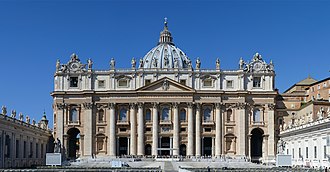
⛪Vatican City (St. Peter's Basilica)
The spiritual center of Roman Catholicism and home of the Pope.

