🛕 Pohyon Temple
North Korea
About This Sacred Site
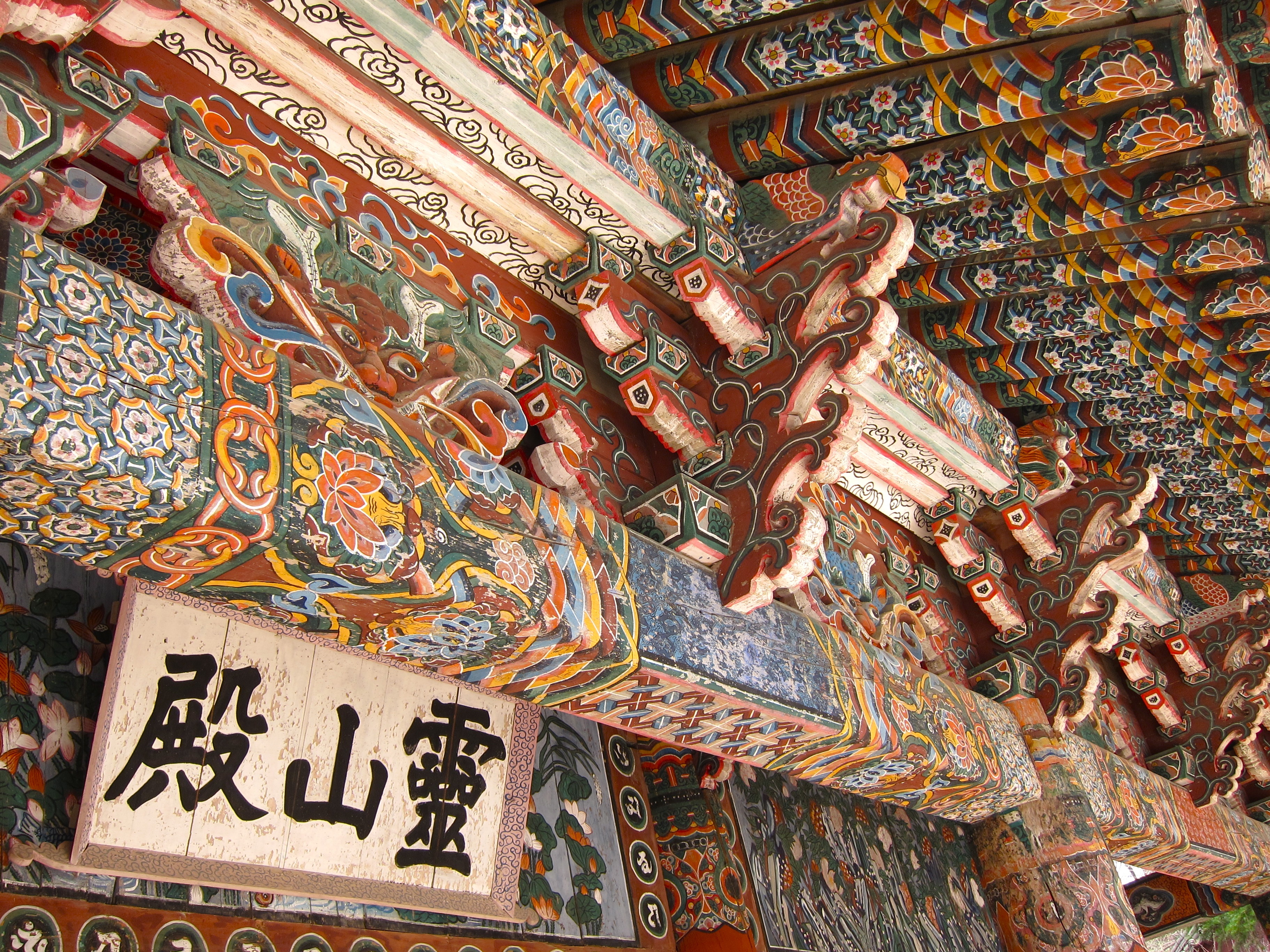
Pohyon Temple (Bohyeon-sa) is a Buddhist temple complex located on the slopes of Mount Myohyang in North Pyongan Province, North Korea. Founded in 1042 during the Goryeo dynasty, it is one of the most significant Buddhist temples on the Korean Peninsula. The complex includes multiple halls, pagodas, and a repository that once housed the Tripitaka Koreana woodblocks. Despite the DPRK's officially atheist stance, the temple is maintained as a cultural heritage site and attracts both domestic and international visitors.
Spiritual Significance
Founded in 1042 during the Goryeo dynasty, the temple serves as a major center for the Korean Seon (Zen) Buddhist tradition, reflecting the teachings of the Lotus Sutra and the Avatamsaka Sutra. Situated on Mount Myohyang, a mountain regarded as sacred in Korean Buddhism, it hosts annual rituals such as the Yeongsanjae, a ceremonial reenactment of the Buddha’s sermon on Vulture Peak. The temple was historically significant as the guardian of a Tripitaka Koreana woodblock copy, underscoring its role in preserving Buddhist scriptures. Monks at the temple engage in intensive meditation and chanting sessions of the Diamond Sutra, particularly during the Lantern Festival, which attracts pilgrims seeking spiritual merit. The 13-storey Tabo Pagoda on-site symbolizes the Thirteen Buddhist heavens and is a focal point for circumambulation practices. Pohyon Temple's spiritual leaders have historically been influential in Korean Buddhism, promoting teachings on enlightenment and compassion consistent with the Jogye Order.
Key Facts
- •Founded in 1042 during the Goryeo dynasty
- •Located on the sacred Mount Myohyang
- •Once housed a copy of the Tripitaka Koreana woodblocks
- •Features the 13-storey Tabo Pagoda, a national treasure
- •Maintained as a cultural site despite North Korea's official atheism
Location
Coordinates: 39.9500, 125.8333
Frequently Asked Questions
What religion is Pohyon Temple associated with?▾
Pohyon Temple is a Buddhism holy site located in North Korea. It was established 1042 and is ranked #861 in our global directory of sacred sites.
When was Pohyon Temple established?▾
Pohyon Temple dates back to 1042. Founded in 1042 during the Goryeo dynasty
How many people visit Pohyon Temple each year?▾
Pohyon Temple receives approximately 30,000+ visitors per year. Located on the sacred Mount Myohyang
What is Pohyon Temple known for?▾
Historic Buddhist temple complex on Mount Myohyang, one of North Korea's most important religious sites. Visitors come seeking meditation, spiritual enlightenment, peace. Once housed a copy of the Tripitaka Koreana woodblocks
Related Holy Sites
Sacred places connected by country, religion, and purpose
👑Tomb of King Tongmyŏng
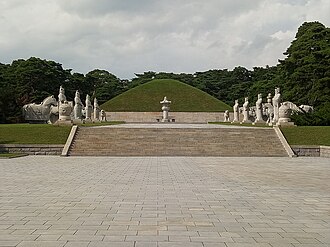
UNESCO-listed tomb of Goguryeo's legendary founder, revered as a sacred ancestral site.
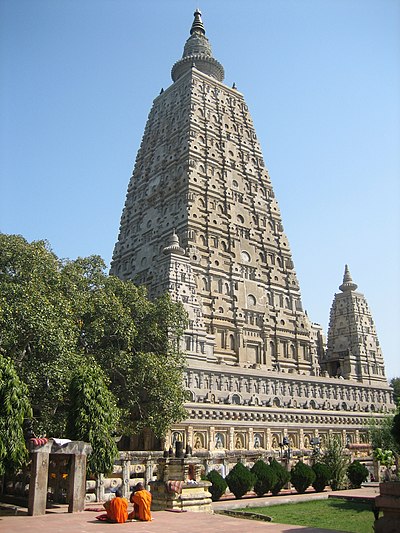
☸️Bodh Gaya (Mahabodhi Temple)
Where Siddhartha Gautama attained enlightenment and became the Buddha.
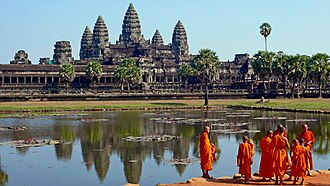
🛕Angkor Wat
The largest religious monument in the world, originally Hindu then Buddhist.
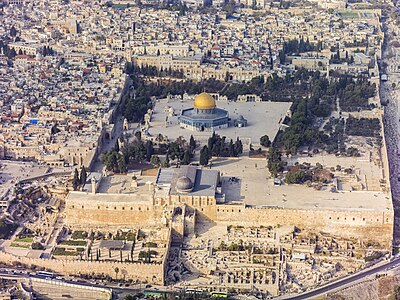
🕌Temple Mount / Al-Aqsa (Jerusalem)
Sacred to Judaism, Christianity, and Islam — the most contested holy site on Earth.