
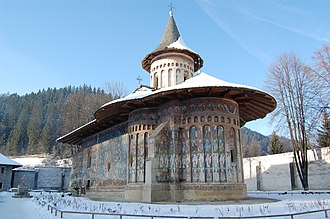
⛪ Painted Monasteries of Bucovina
Romania
About This Sacred Site
The Painted Monasteries of Bucovina, located in northeastern Romania, are renowned for their exterior walls completely covered with vivid frescoes depicting biblical scenes, saints, and Orthodox Christian themes. Constructed mainly during the 15th and 16th centuries under Moldavian princes like Stephen the Great, these monasteries served as both religious centers and fortresses. Famous examples include Voroneț, Sucevița, and Moldovița. Their unique frescoes have exceptional artistic and theological value, contributing to their UNESCO World Heritage status and attracting pilgrims and tourists alike.
History & Origins
The seven monasteries in the Bukovina region, including Voroneț, Humor, and Moldovița, were constructed primarily between the 15th and 16th centuries under the patronage of Moldavian rulers such as Stephen the Great and Petru Rareș. Voroneț Monastery, founded in 1488, is renowned for its extensive exterior frescoes painted with a distinctive ultramarine pigment, earning it the nickname 'the Sistine Chapel of the East.' Each monastery underwent various phases of restoration, notably in the 20th century, to preserve the exterior biblical frescoes that depict scenes from the Old and New Testaments as well as Orthodox saints. These monasteries were inscribed as UNESCO World Heritage Sites in 1993, recognizing their unique combination of Byzantine art and Moldavian architectural elements. They functioned as fortified religious centers during Ottoman incursions and served as hubs of Orthodox spirituality and culture.
Spiritual Significance
The exterior frescoes serve catechetical functions by visually narrating biblical stories such as the Last Judgment at Voroneț, used for educating illiterate faithful during liturgical gatherings. Annual feast celebrations coincide with Orthodox liturgical calendars, where pilgrims participate in liturgies and venerate relics housed within these monasteries. The integration of Byzantine iconography with local Moldavian motifs reflects theological doctrines emphasizing the incarnation and resurrection, central to Orthodox belief. Monastic communities historically practiced hesychasm, a form of contemplative prayer focused on inner stillness, influencing the spiritual atmosphere. Contemporary pilgrims perform ritual processions around the frescoed walls and attend services commemorating the monasteries' founding saints.
Key Facts
- •Seven monasteries are inscribed as UNESCO World Heritage Sites
- •The exterior frescoes date from the 15th and 16th centuries and depict biblical narratives
- •Voroneț Monastery is called the 'Sistine Chapel of the East' for its blue-dominated frescoes
- •Commissioned primarily by Stephen the Great (r. 1457–1504) to celebrate military victories
- •The pigments were made from local minerals, which accounts for their remarkable durability
Location
Coordinates: 47.5176, 25.6982
Frequently Asked Questions
What religion is Painted Monasteries of Bucovina associated with?▾
Painted Monasteries of Bucovina is a Christianity holy site located in Romania. It was established 15th–16th century and is ranked #174 in our global directory of sacred sites.
When was Painted Monasteries of Bucovina established?▾
Painted Monasteries of Bucovina dates back to 15th–16th century. Seven monasteries are inscribed as UNESCO World Heritage Sites
How many people visit Painted Monasteries of Bucovina each year?▾
Painted Monasteries of Bucovina receives approximately 300,000 visitors per year. The exterior frescoes date from the 15th and 16th centuries and depict biblical narratives
What is Painted Monasteries of Bucovina known for?▾
A group of Orthodox monasteries in Moldavia whose exterior walls are covered in vivid 15th–16th century frescoes. Visitors come seeking spiritual enlightenment, blessings, guidance, pilgrimage. Voroneț Monastery is called the 'Sistine Chapel of the East' for its blue-dominated frescoes
Related Holy Sites
Sacred places connected by country, religion, and purpose
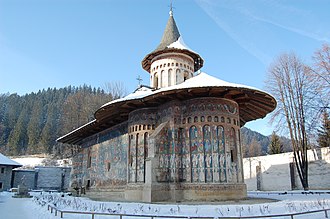
⛪Voroneț Monastery
Called the 'Sistine Chapel of the East' for its extraordinary blue exterior frescoes.
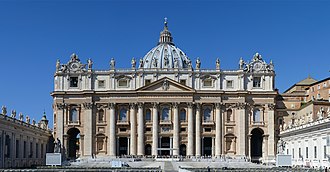
⛪Vatican City (St. Peter's Basilica)
The spiritual center of Roman Catholicism and home of the Pope.
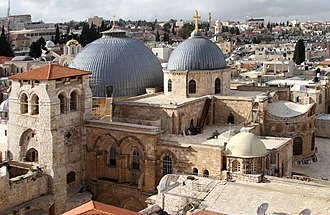
✝️Church of the Holy Sepulchre
The site where Jesus was crucified, buried, and resurrected.
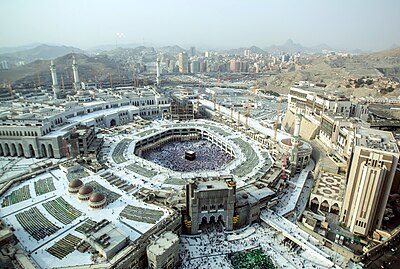
🕋Masjid al-Haram (Great Mosque of Mecca)
The holiest site in Islam, home of the Kaaba, and the destination for Hajj pilgrimage.
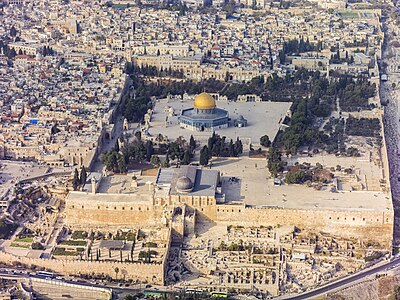
🕌Temple Mount / Al-Aqsa (Jerusalem)
Sacred to Judaism, Christianity, and Islam — the most contested holy site on Earth.

